
Daily chores provide more than enough work for the 2 adults and 4 cats at my Clintonville home. Well, the cats cause more of a mess than they offer to help clean up, but we love them anyway. Between caring for my garden and a house that would benefit from a number of upgrades, life often equals work. No complaints though. I have a warm bed to sleep in, indoor plumbing, numerous streaming services, and a stash of fall-themed coffee flavors to indulge in. Yet, somehow, when the invitation came to sleep in a tent and use an outhouse, to be entertained by a barn cat and old-time parlor games, and to perform morning farm chores, I said ‘Sure!’.
Actually, I jumped at the chance. We even recruited a handful of friends to join in.
So we ended up at Slate Run Historical Farm, wearing mud boots and sleeping on blow-up mattresses, cooking (veggie) hotdogs over a fire and making fools of ourselves by failing miserably at those parlor games. When temperatures are predicted to fall below freezing the night of our primitive camping trip many folks backed out. In all my stubbornness, and my love of fall, I was committed to showing up. The opportunity to roast marshmallows for s’mores sealed the deal.
“I’m so glad I live in a world where there are Octobers.”
Anne of Green Gables
There isn’t much I don’t love about autumn in the Midwest. The Highlander Grogg coffee, the caramel apples, and pumpkin pie are just the beginning. Forest animals are active in the fall, running about in their efforts to get ready for winter. We’re losing light, but settle deeper into the couch to adapt. Leaves are shifting color little-by-little each day. The chill in the air is refreshing, at this early sweater weather stage – or ‘Sweata Weatha’, as Maya Rudolph and Amy Poehler remind us. (SNL skit on YouTube)
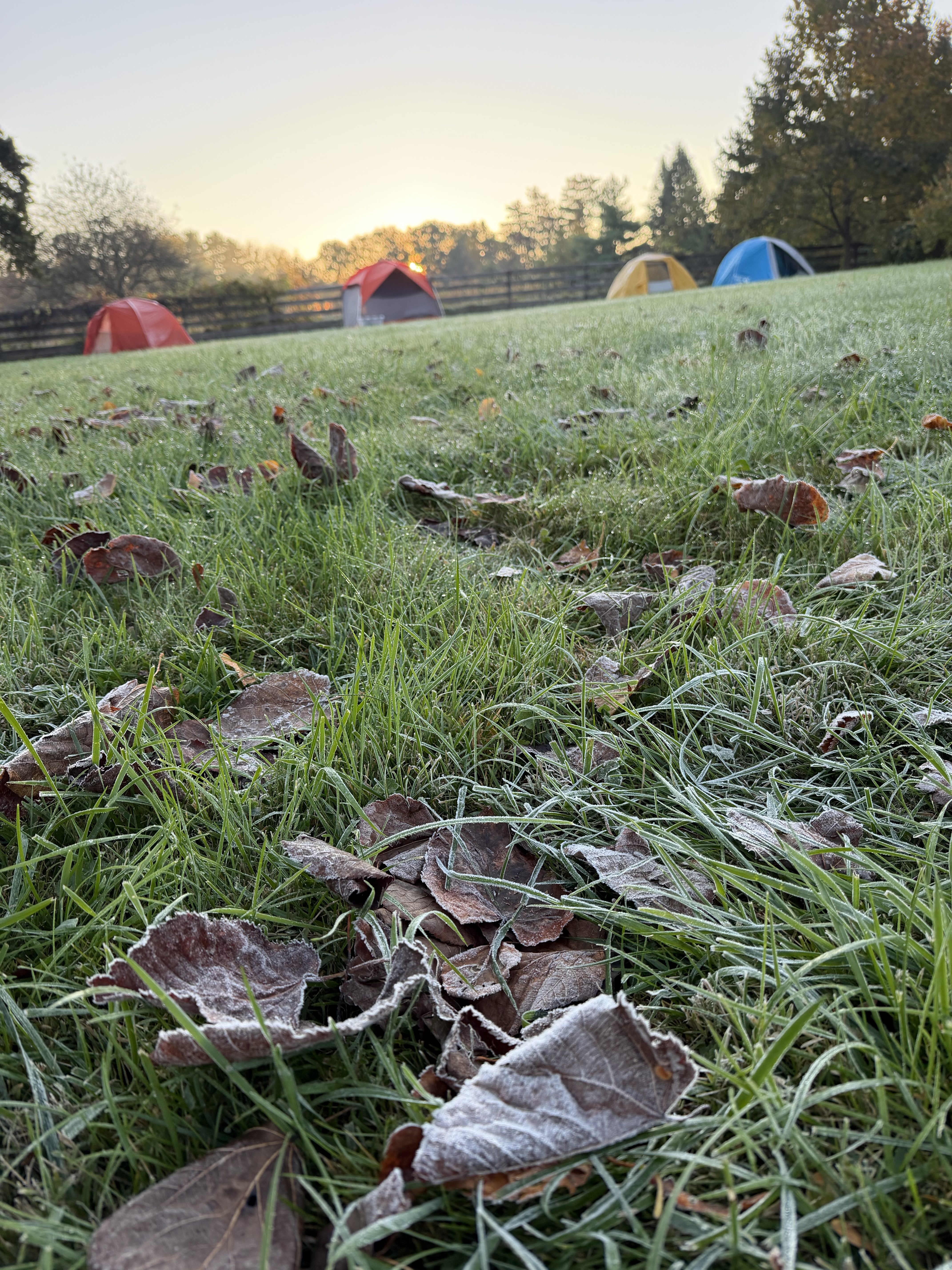
The mid-October frost isn’t entirely unexpected, but the first time we have freezing temperatures always takes me by surprise. I remembered to move my mums into the shed the night before, as we packed up all of our camping equipment. This was car camping – not sleeping in the van, but traveling by van. This allows us to bring anything and everything with us. The hats, gloves, scarves, and hand warmers? Check! The battery pack to power our heated blanket? Check! The extra weighted blanked and a massive stack of tightly-woven Mexican blankets? Check! Check! Check! I think blankets were covered.
“The sarape (sometimes spelled “serape”) is one of the most iconic Mexican textile forms, instantly recognized for its colorful horizontal stripes and rectangular shape. Traditionally worn as a shawl or wrap by men in northern Mexico, the sarape combines functionality with artistry. It has also become a powerful cultural symbol of Mexican heritage and identity.”
We had extra snacks, “emergency” instant coffee I could stir into water that I heated up on our camp stove, and even camp meals in case we got hungry late at night. We had our Kindle, phones, and wireless ear buds along with a battery pack in case devices powered down on us. We brought extra clothes, though I had to borrow socks when the wet grass soaked my tennis shoes. We were ready for everything – I thought.
I’m not sure I was prepared for the outhouse.
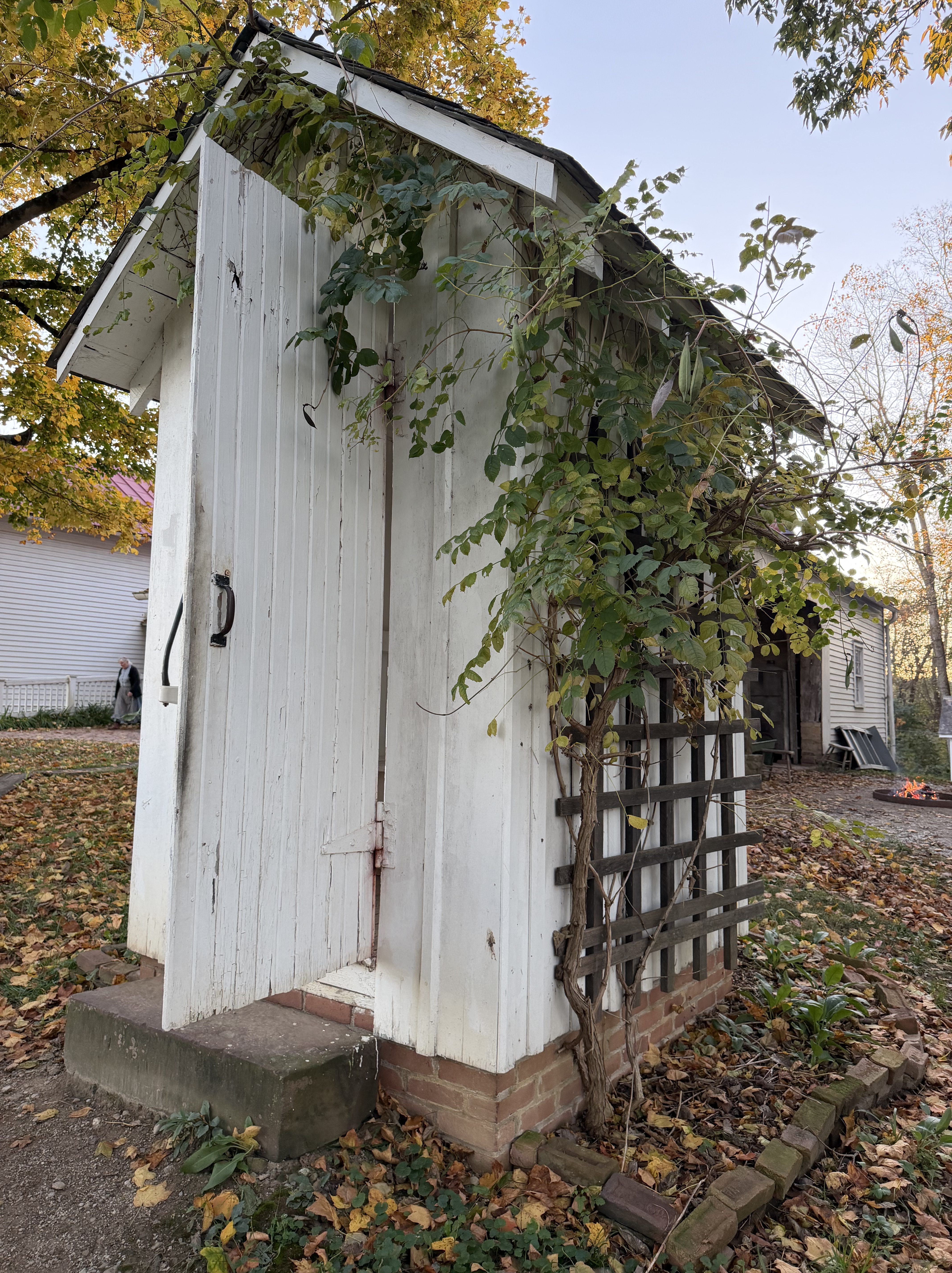
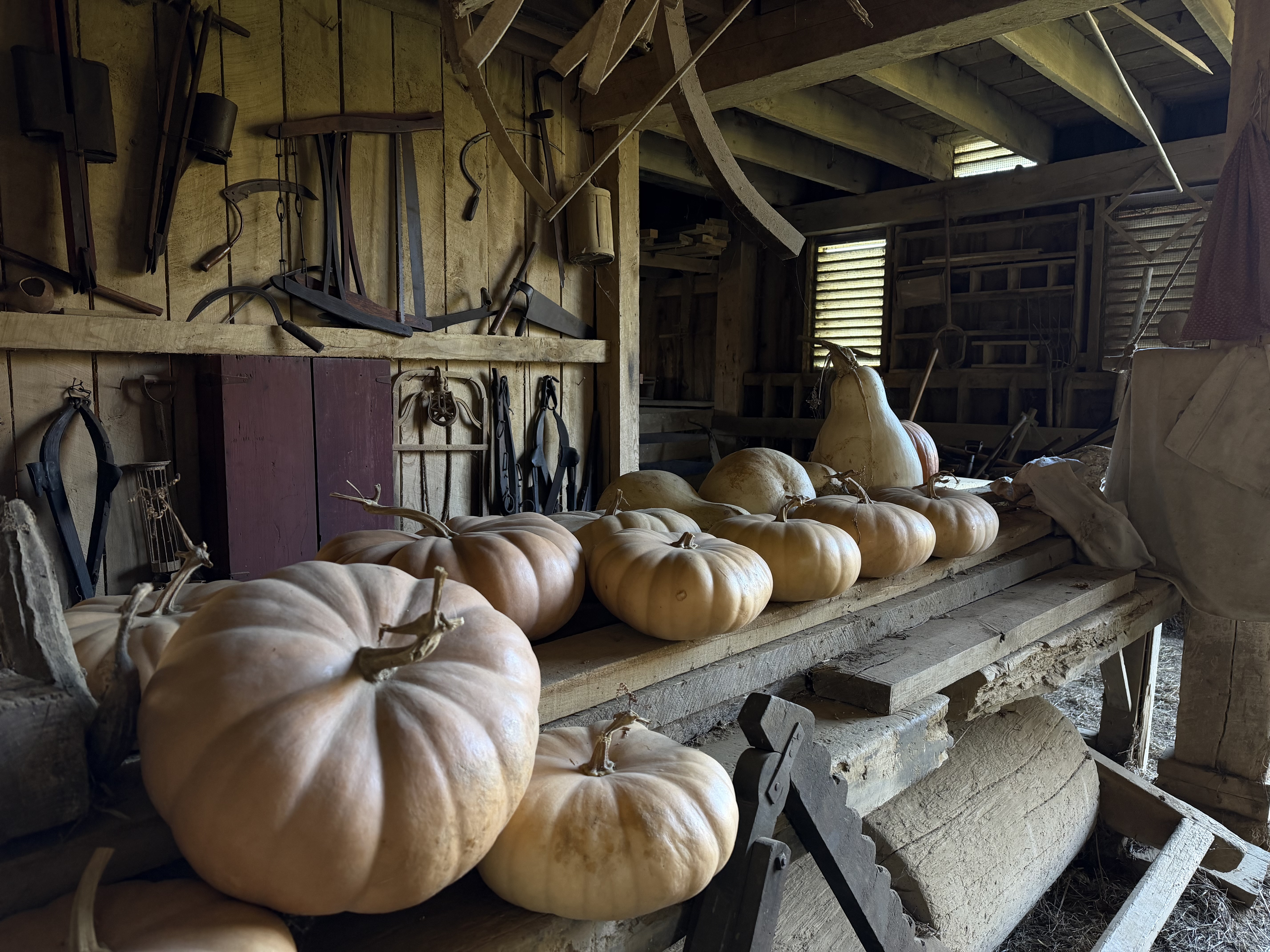
I’m told that the farmhouse was built in 1856 in a gothic revival style. It was restored by Columbus and Franklin County Metro Parks, keeping with historical accuracy as much as possible. This means truly primitive camping, in an area of the park that’s not typically for overnight visitors, lacking electrical hookups and indoor plumbing.
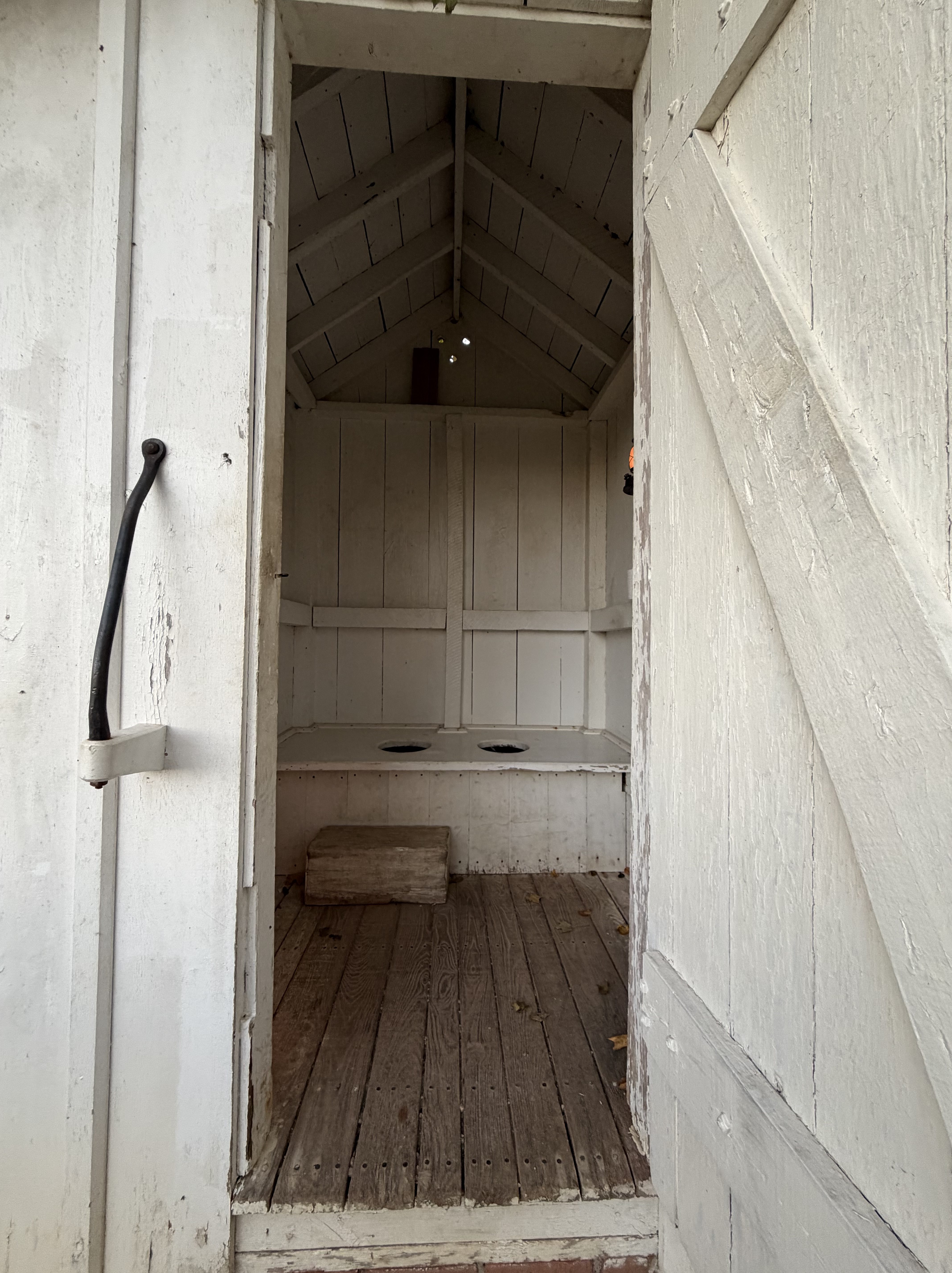
The outhouse is a 2-seater… for efficiency or intimacy? I’m not entirely sure. The smell could have been worse, but I plugged my nose anyway. I wasn’t about to share the structure with anyone else, but I was curious about the side-by-side design.
Fancy a tandem trip to the outhouse?  "We have a two-seater outhouse. Legend has it that my grandpa built it when he was drunk. I don’t get it. Were there—or are there—benefits to a multi-seat outhouse?"
But before we address the multi-holed crux of your question, let’s talk about your grandfather, whom I believe you have libeled.

I have serious doubts that your grandpa built your earth closet with twin depositories “when he was drunk,” as you maintain because building even a simple dunny requires back-breaking labour to dig the hole and intermediate carpentry skills to frame the structure. What’s more likely is that your grandpa built the outhouse with two holes because he was a grandpa-aged man, and that’s how things were done back in the day... [P]rior to widespread sewage treatment, outhouses were used everywhere, even in big cities.

My point is that in days of yore when everybody used an outhouse every day (and surely more than once every 24 hours), there had to be some accommodation given for volume and frequency. So it was not uncommon for places like hotels, schools, and resorts to have high-capacity commodes—some of them two-storeys tall—with up to a dozen holes. (Cottage Life website)
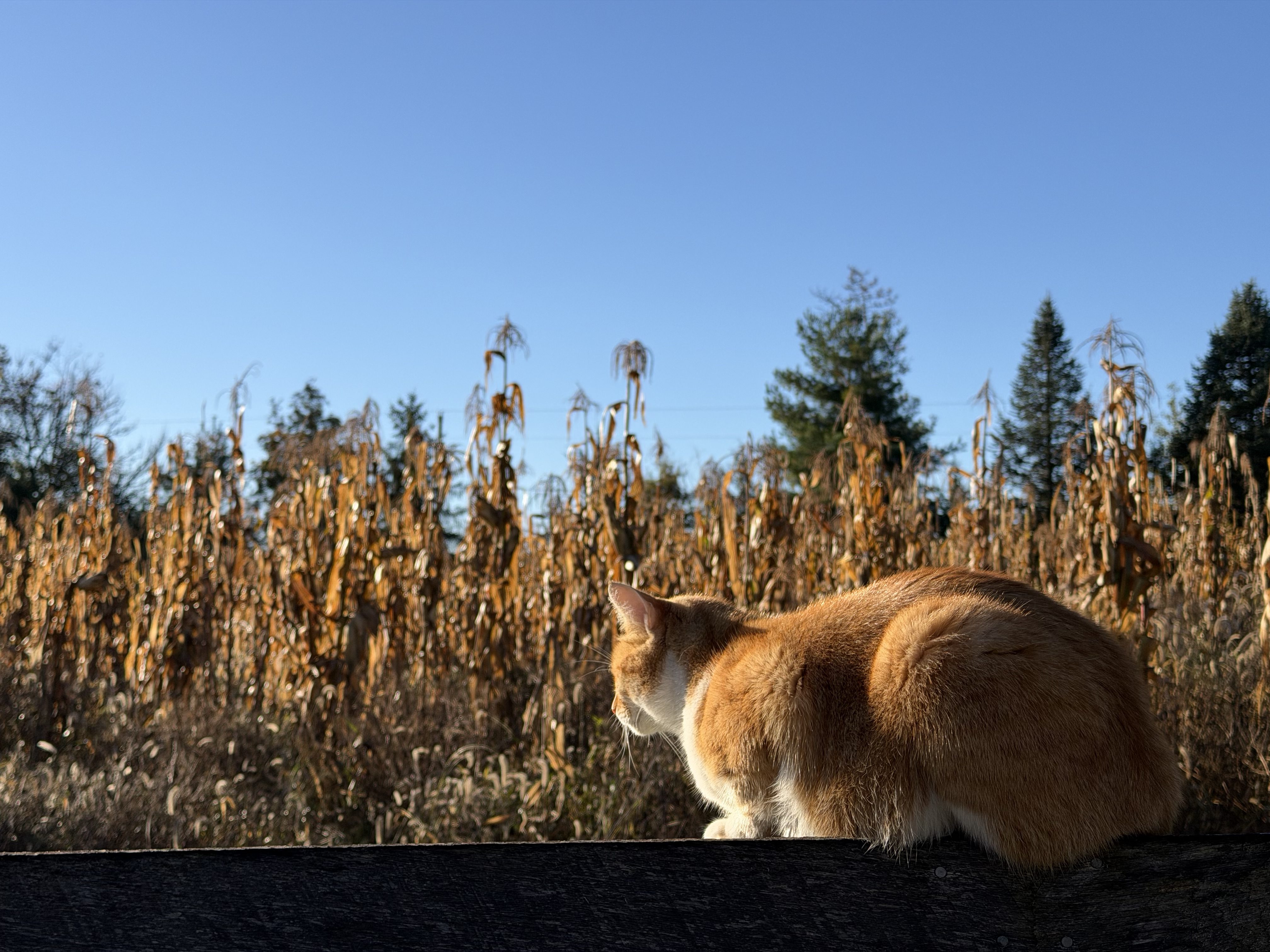
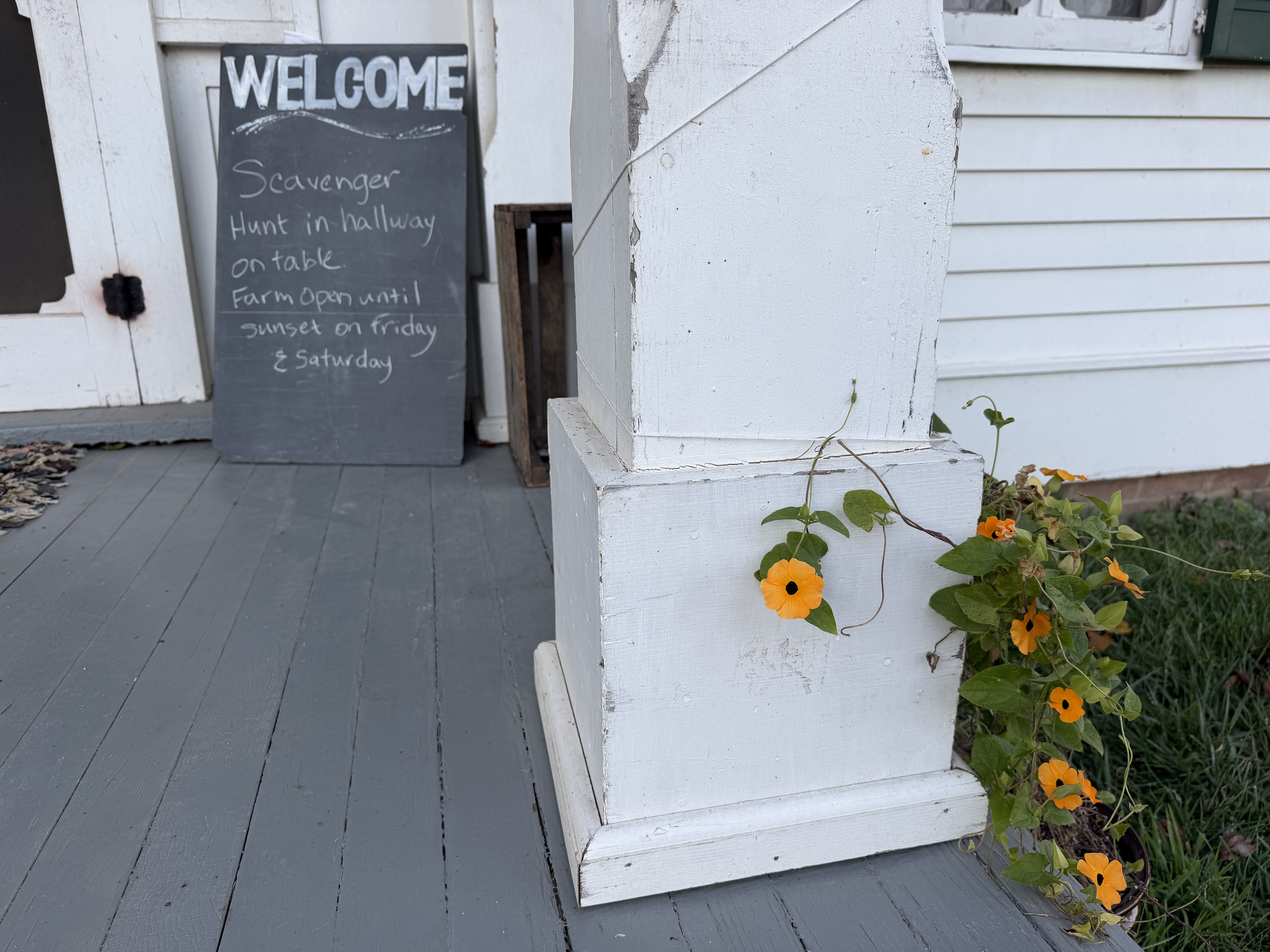
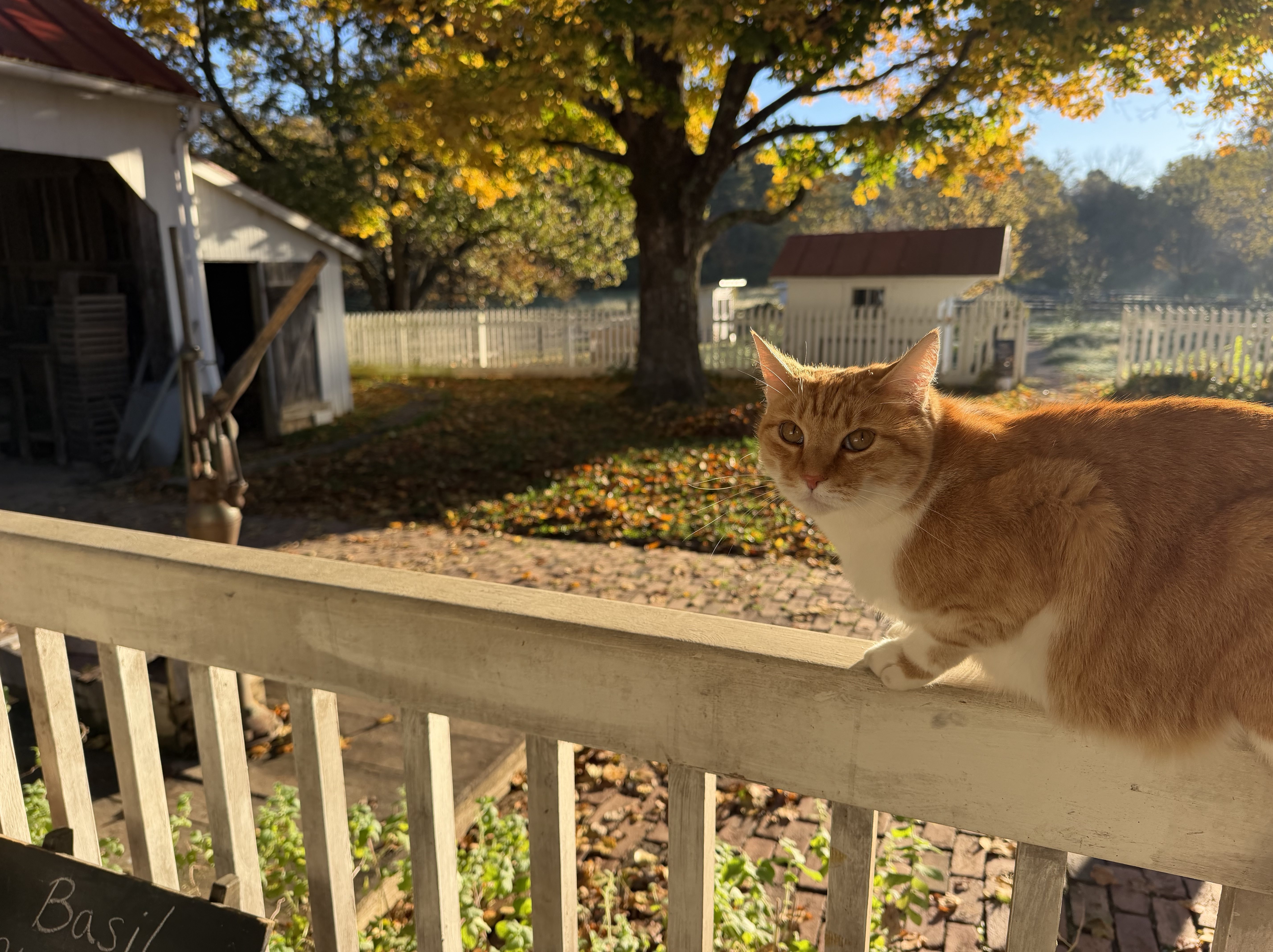
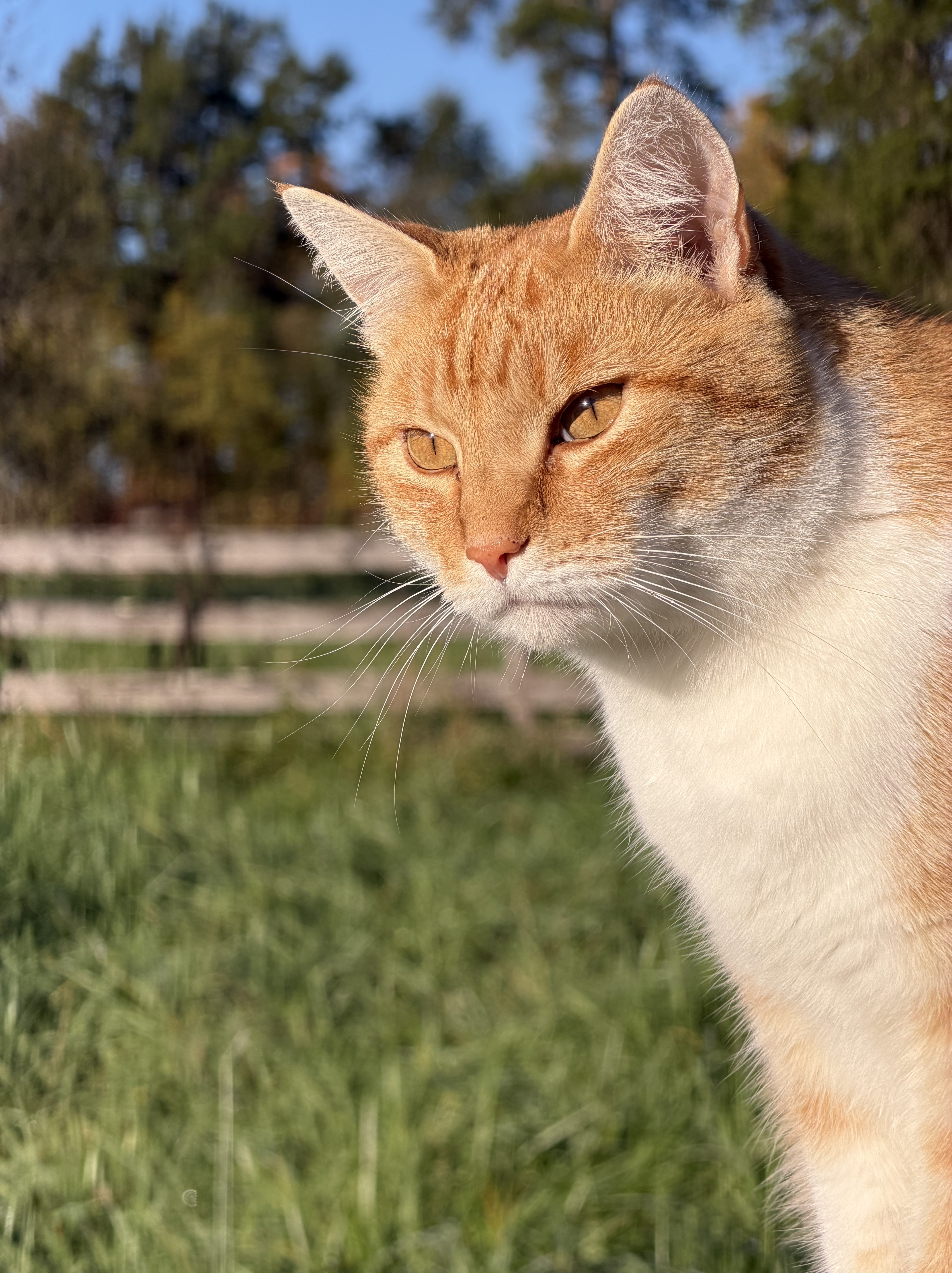
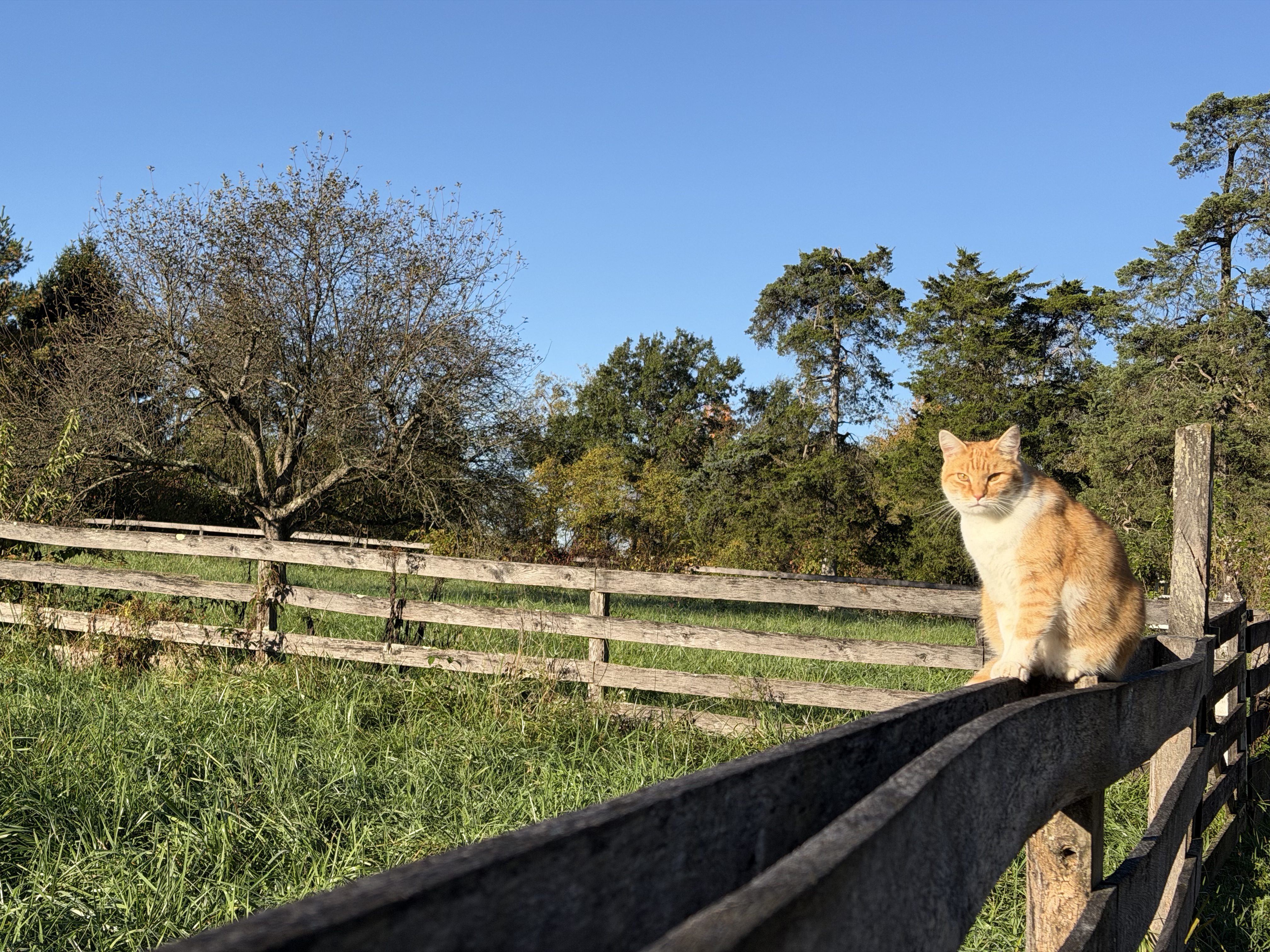
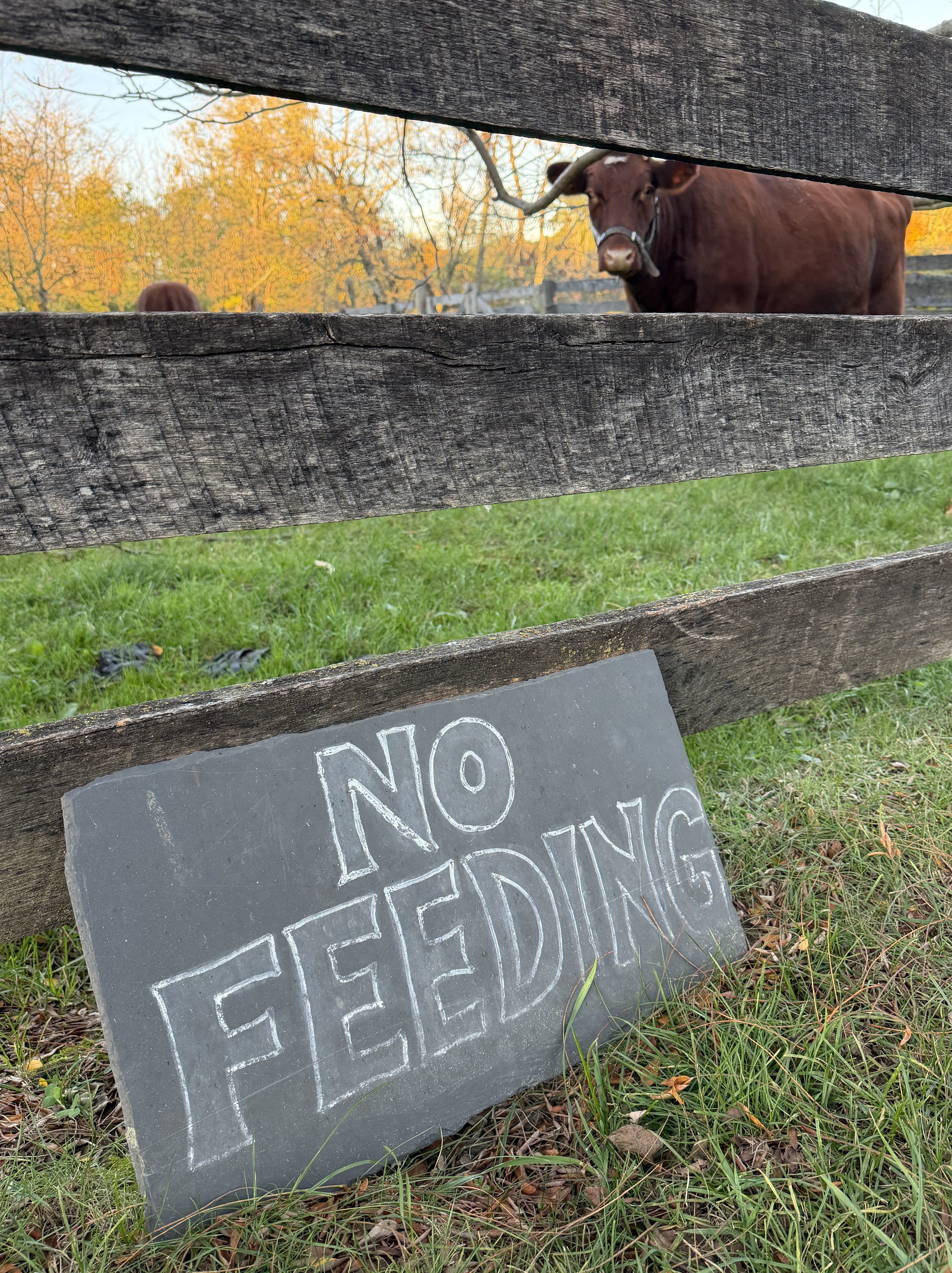
The most endearing part of our visit, and the overarching farm experience, was meeting the resident cat Chester. Signs around the farmhouse caution visitors not to let him in. The chalkboard sign reads: “The Orange Cat Stays Outside.” What a life Chester has, seated on the high perch of the fences that divide fields from path, garden from chicken, and visitors from the creek. He’s on mouse patrol. He’s curious about all the farm happenings. He’s soaking up the October sunshine! What a life! Chester is a friendly, curious little guy. He is well cared for and does go inside at night.
I can only imagine the number of times he’d want to go in and out of the farmhouse, were it not for the sign.
Slate Run is a working farm, requiring the support of a small staff and many volunteers who farm the crops, tend the animals, do maintenance tasks, and all manner of other chores They also run year-round educational programs for visitors. On this visit we were invited to stick around in the morning for a pancake breakfast (with coffee, of course!) and participate in the morning chores.
“Engineering and architectural studies demonstrated that restoration of three core buildings, the farmhouse, barn, and nearby granary, was a viable prospect. School officials indicated that a living historical farm would be a valuable educational resource for students and that school visits, and visits by other groups, would guarantee large visitor numbers for the farm.” (Columbus and Franklin County Metro Parks website)
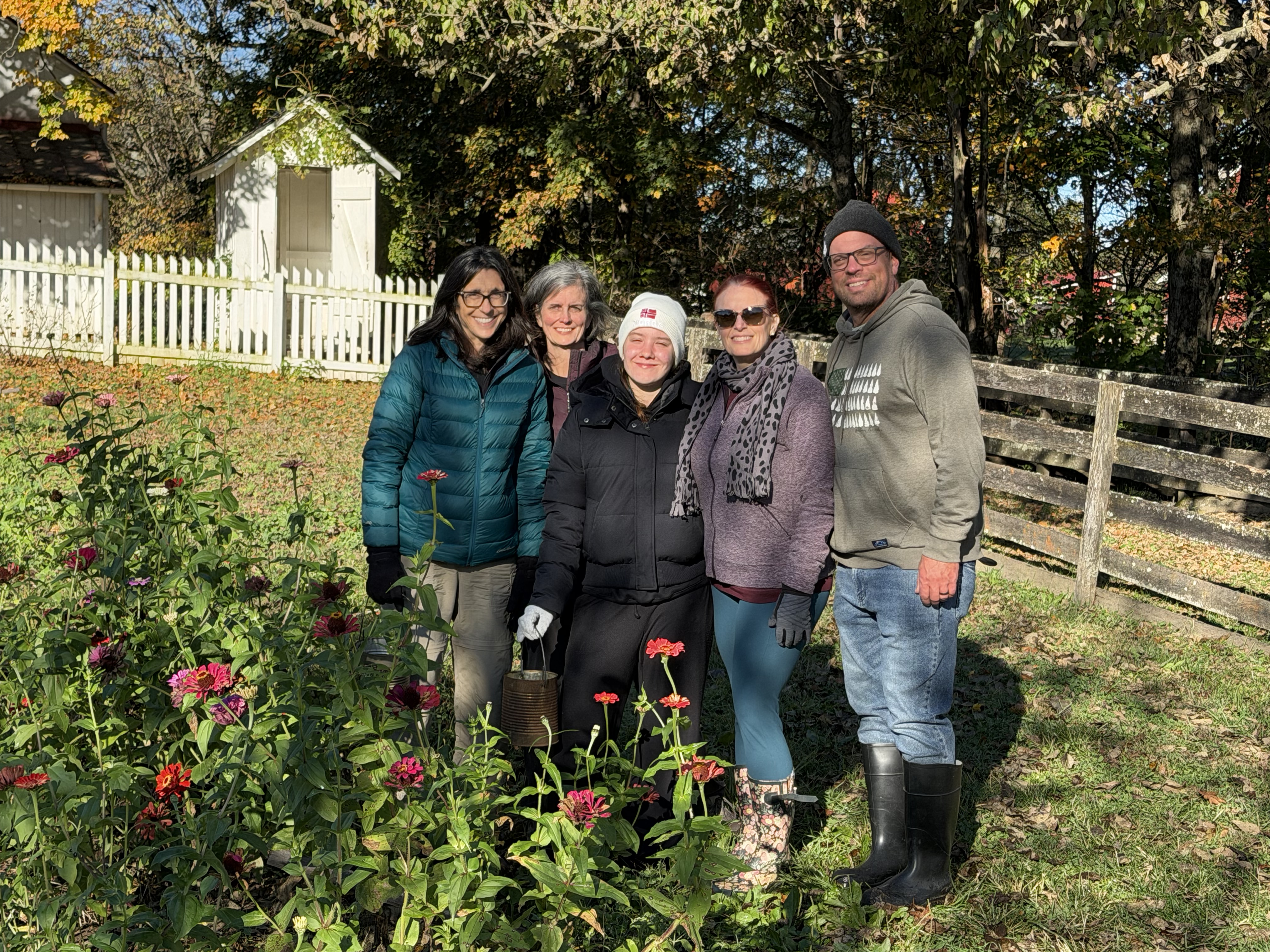
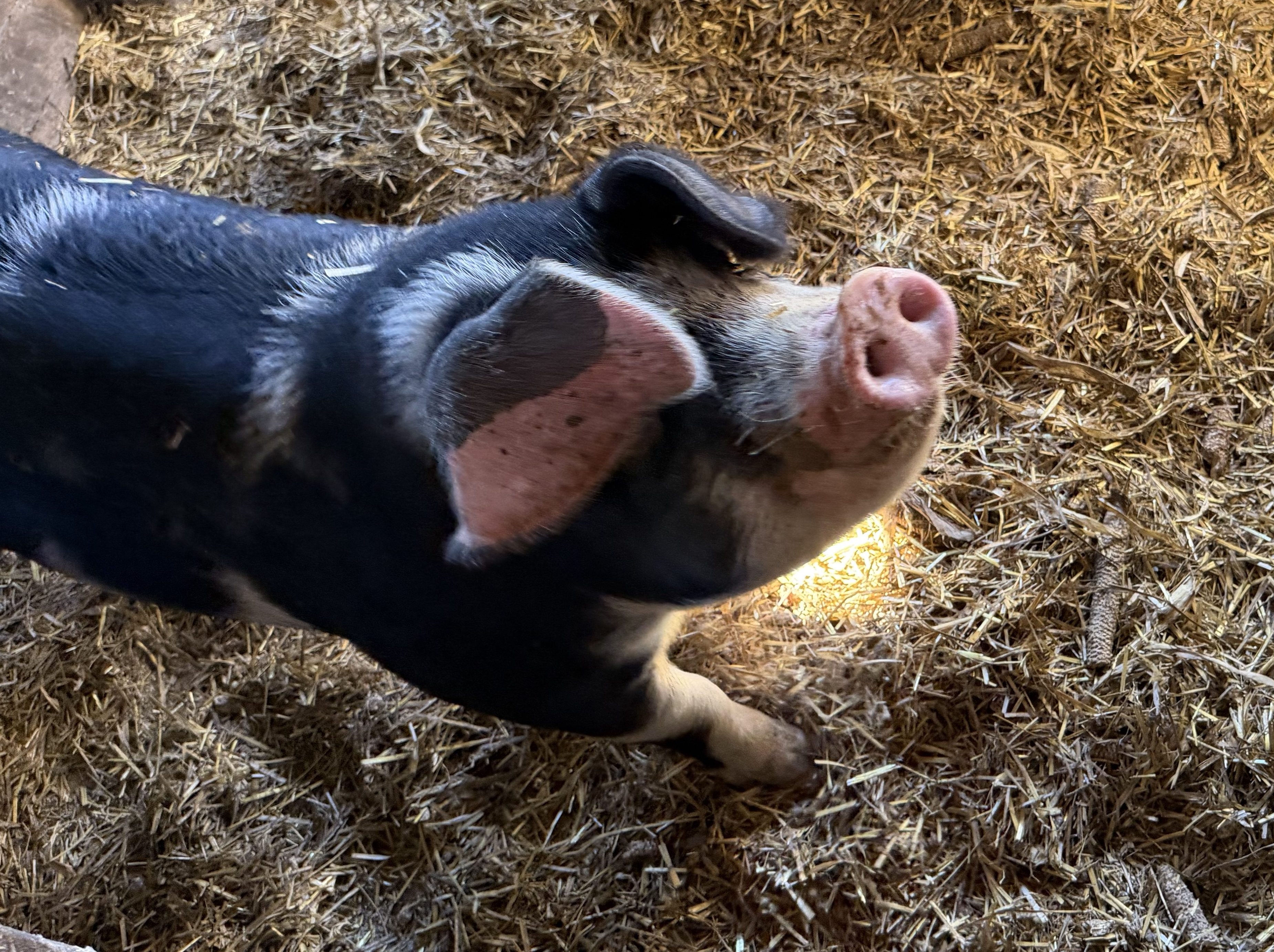
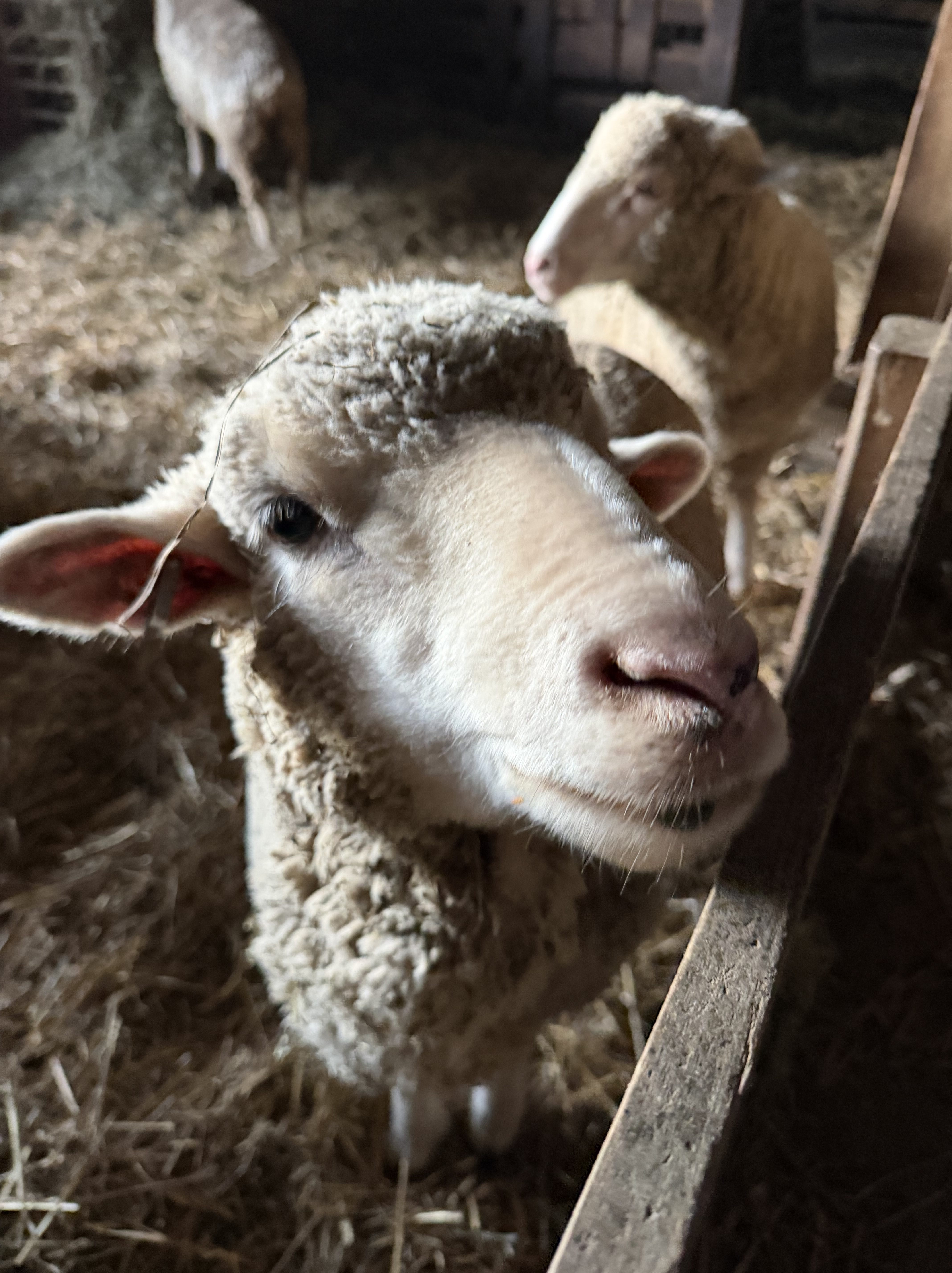
We fed the mom and baby pigs, marveling at the size of her 6-month old babes. With a bucket of food and some herding, we moved a small flock of sheep out to pasture. I wore my mud boots but was more than pleased that I wasn’t asked to muck stalls, cleaning horse manure, soiled bedding, wet spots out of the enclosures. To be fair, this was about 2/3 farm tour and 1/3 chores. We pumped water from the well to carry across the farm to the chickens then posed for a group photo.
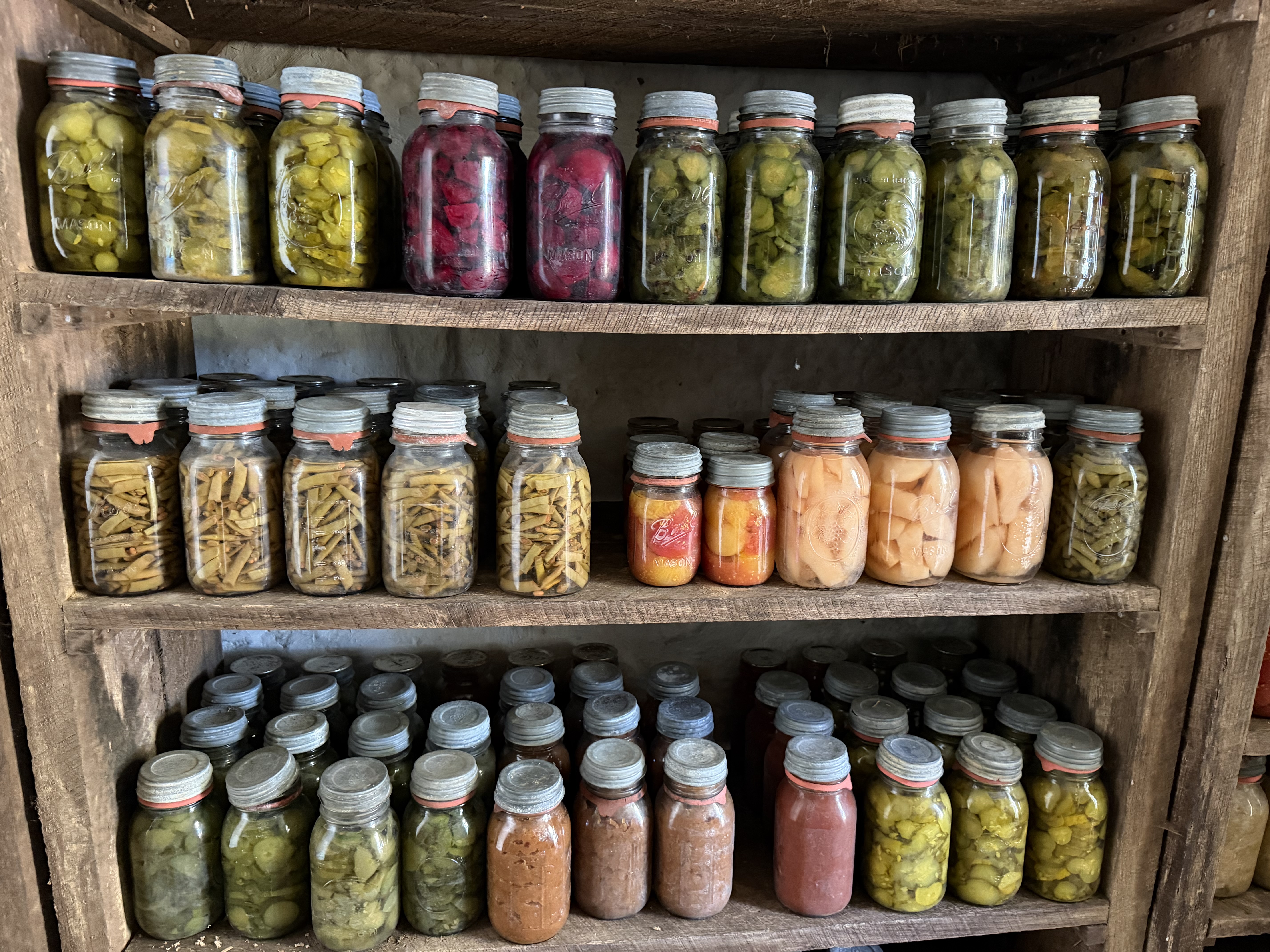
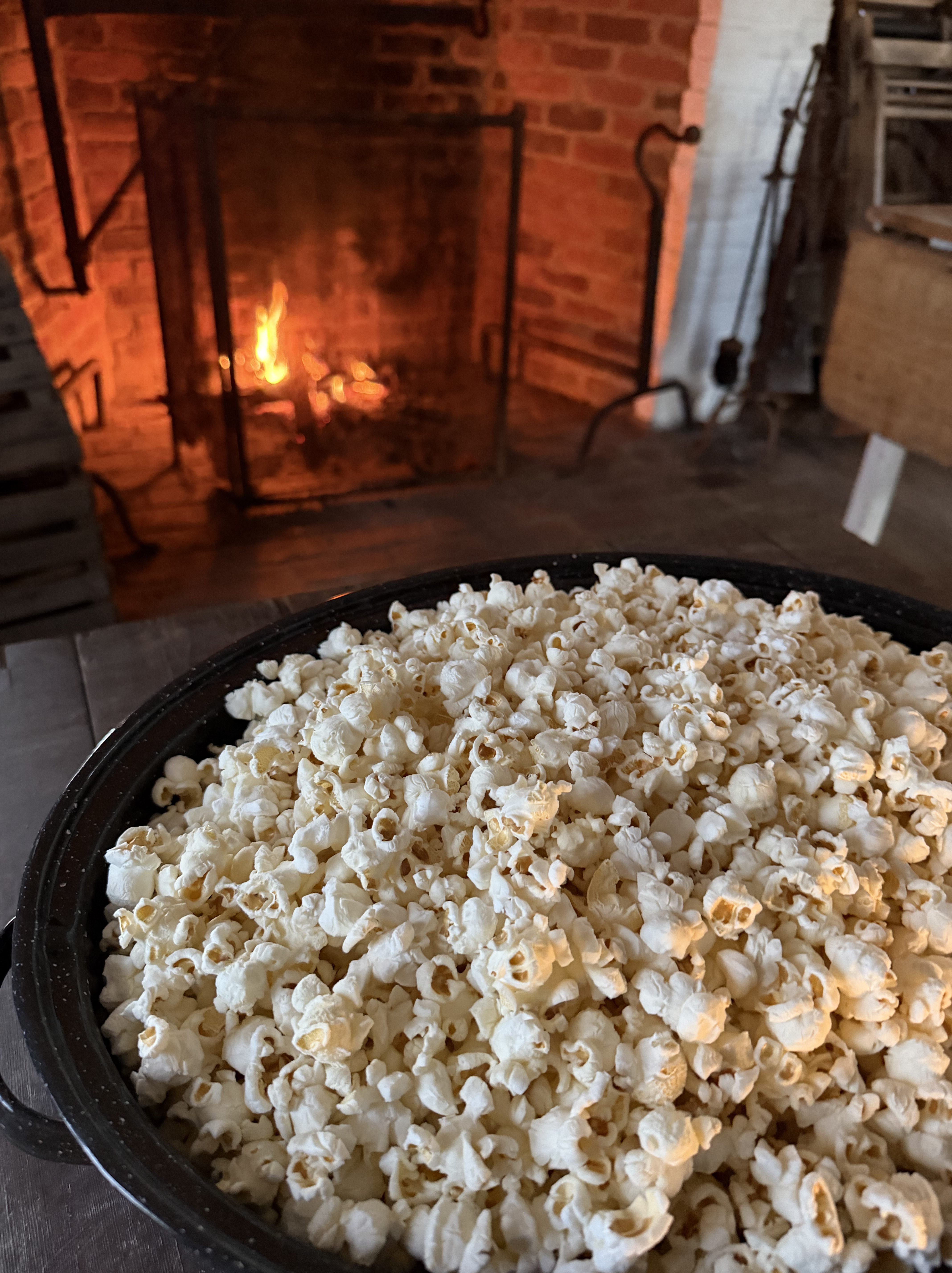
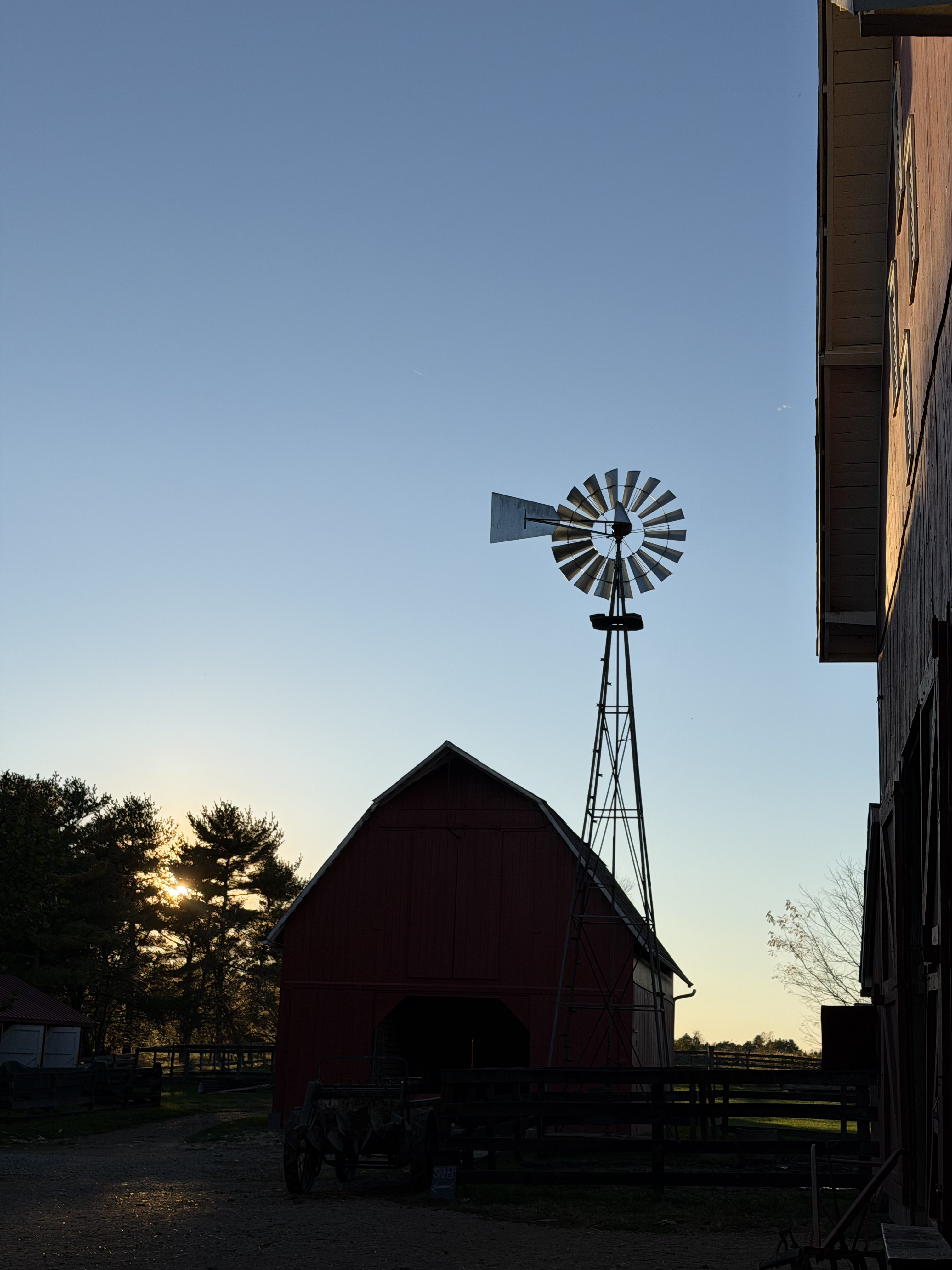
There is a comprehensive review of the history of the farm, its buildings, and restoration efforts. I’ve linked that below. What stands out to me is the immense care and attention given to repairing and rebuilding in a way that preserved the history of the farm and made it an engaging educational experience. I’m sad that anyone within the Metro Parks territory is unaware of this amazing space. I’m happy to spread the word.
“Consultations with architectural historians began in 1975 as Metro Parks formulated plans for the restoration of the barn, built by Samuel Oman in 1881. In particular, advice was sought about restoring the cupola on the barn, as the original hexagonal cupola had been destroyed in a storm many years before, and there were no original plans about how the cupola had been constructed and mounted. The barn had been designed originally with a passage for vehicles through the barn on a north-south axis, but over the years, that had been switched to an east-west orientation. Architects and historians agreed that a return to the original orientation would open up the barn to make it look larger, and would allow for a better arrangement of animal stalls.” (Columbus and Franklin County Metro Parks)
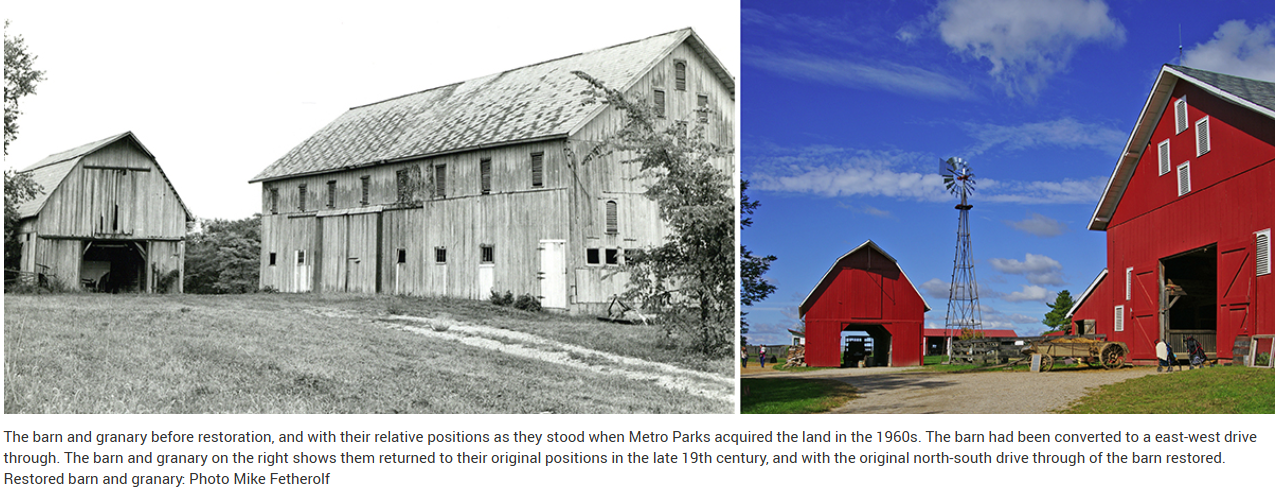
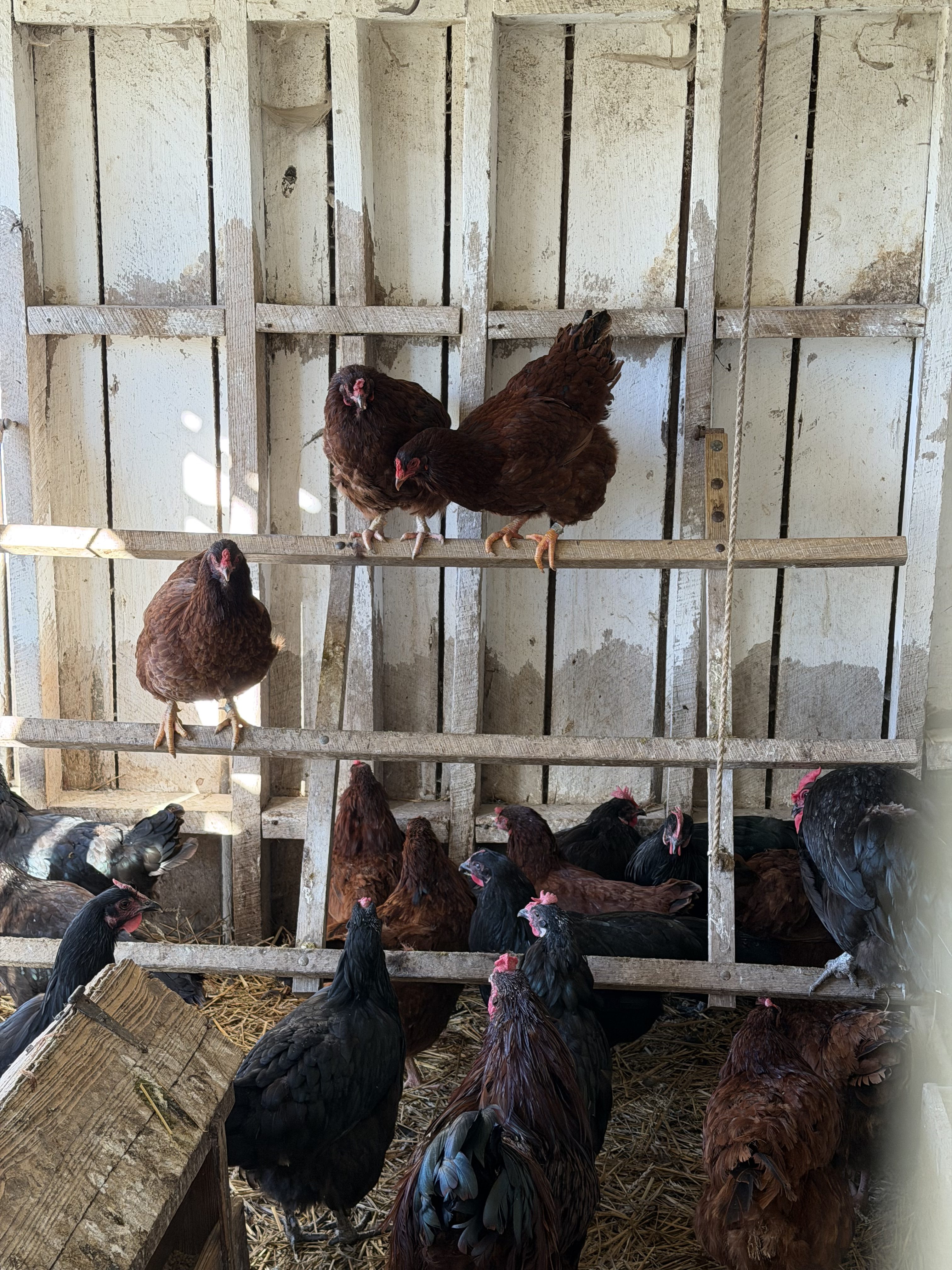
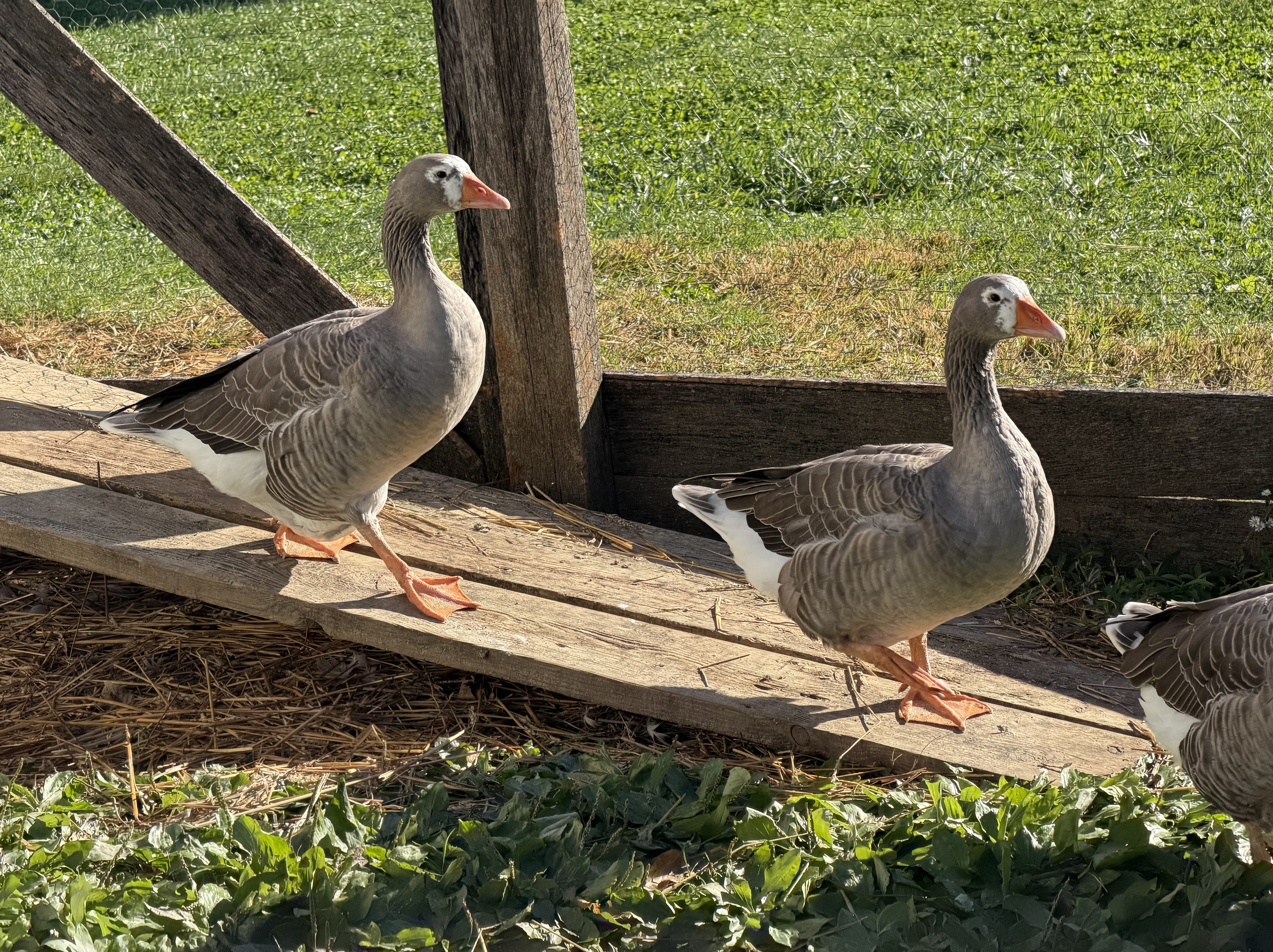
This wouldn’t be an Accidental Wanderlust blog without showing off the animals I got to meet. When we arrived at Slate Run just before sunset I may have run off to take photos while we still had ‘golden hour’ light, leaving the others to set up camp. No one questioned me or was concerned with where I’d run off to. I pitched in later, but we’d arrived just before 6 pm and sunset is around 6:40 pm. So I went on a mini-adventure.
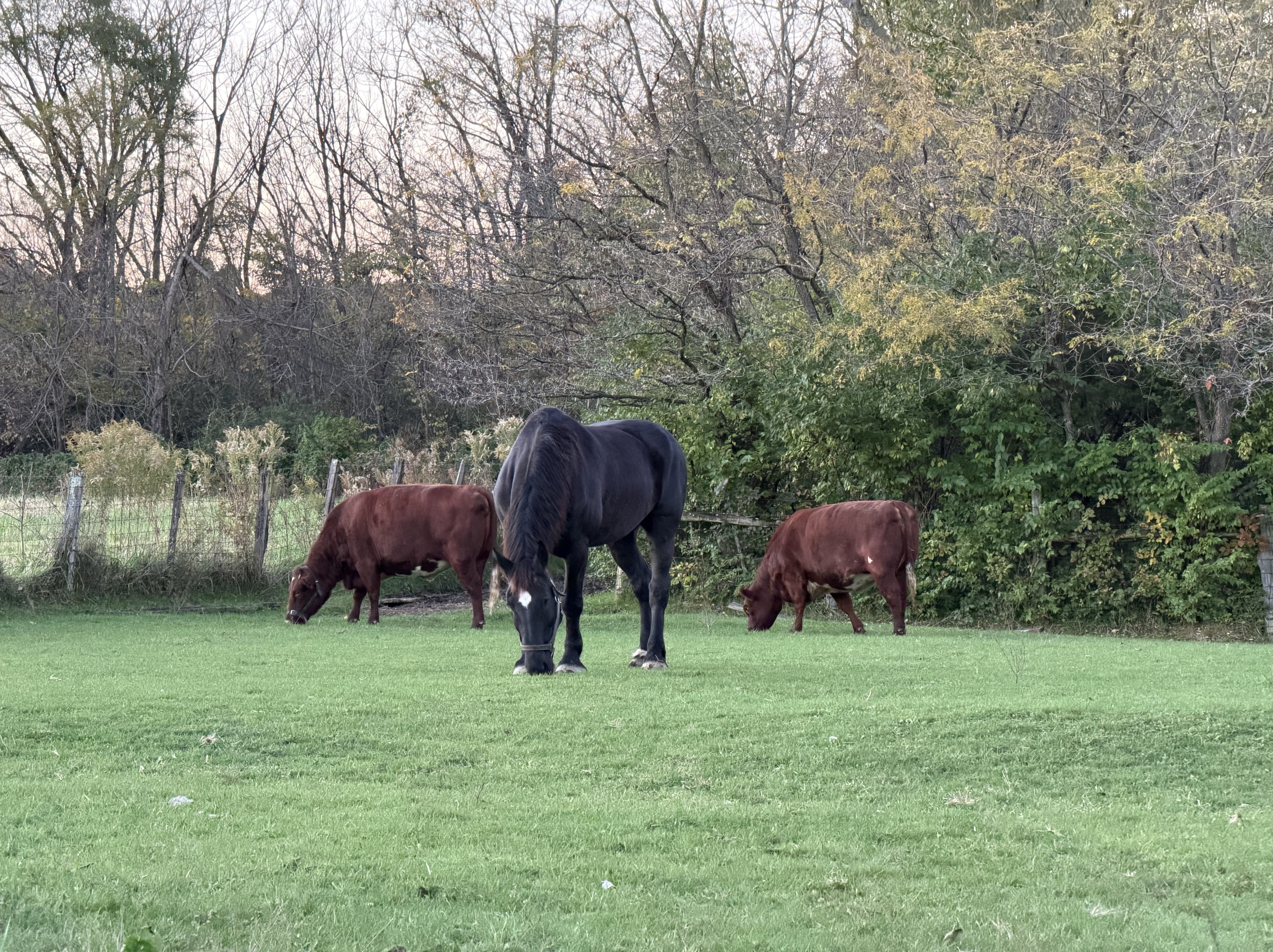
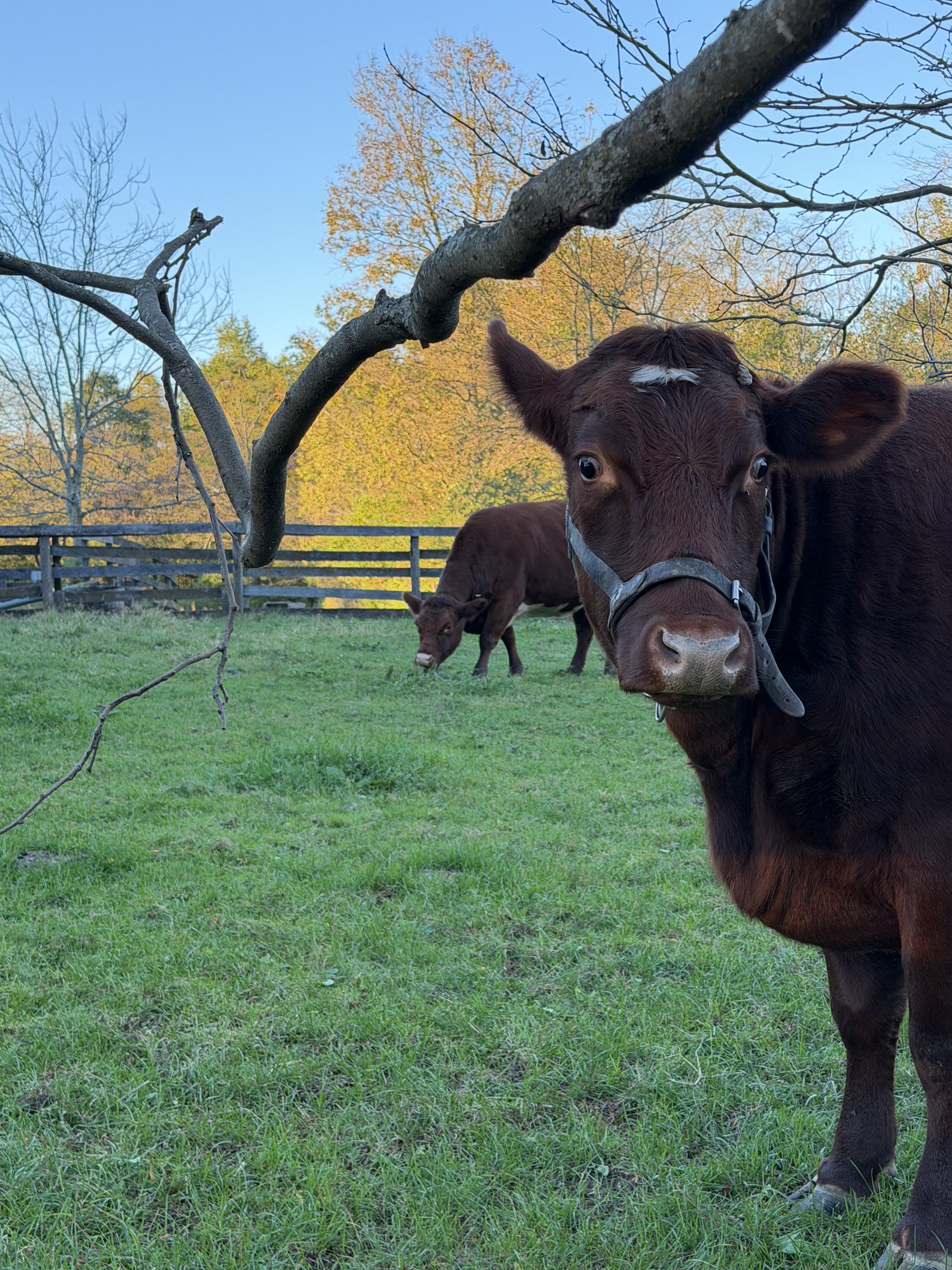
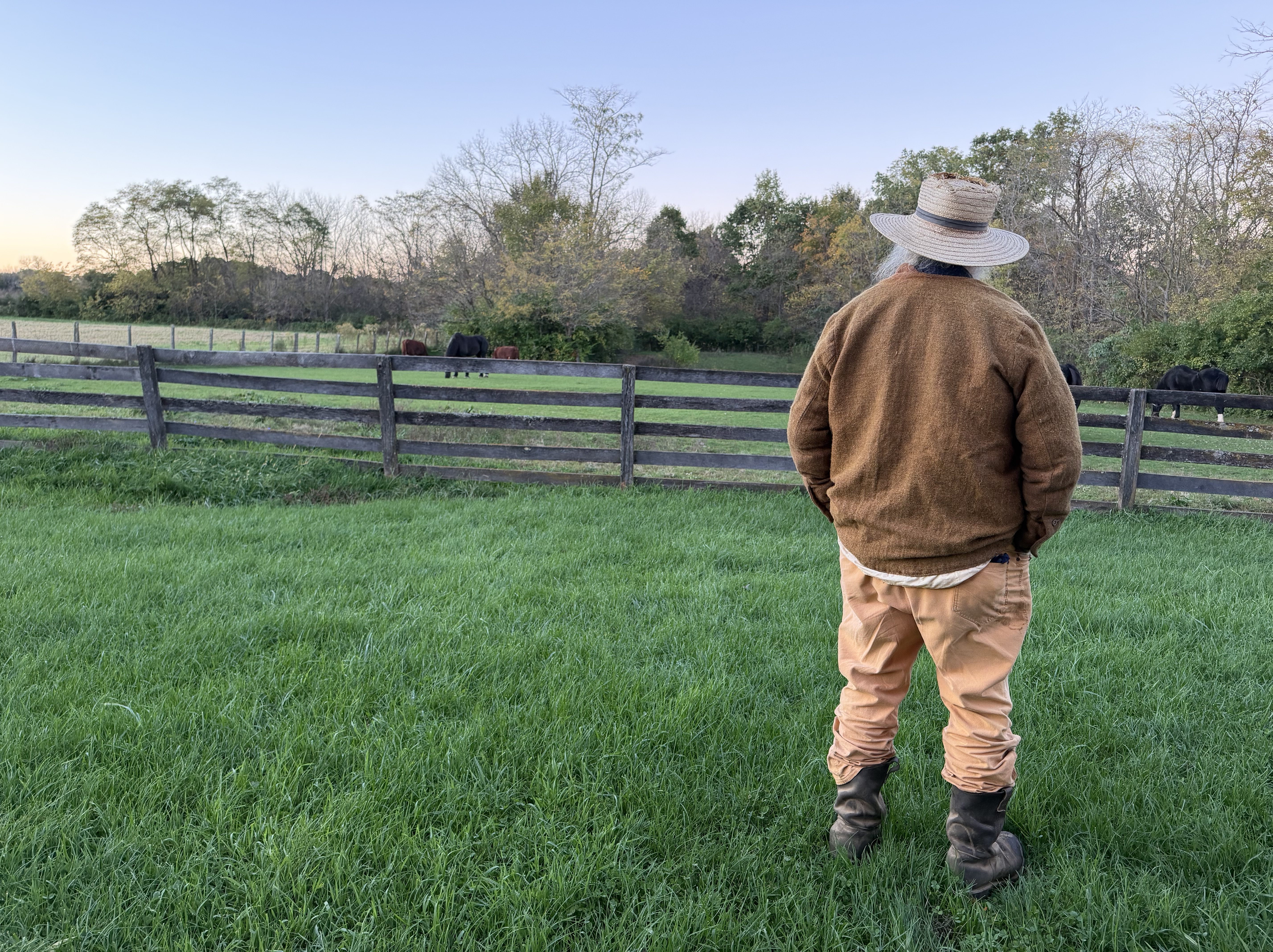
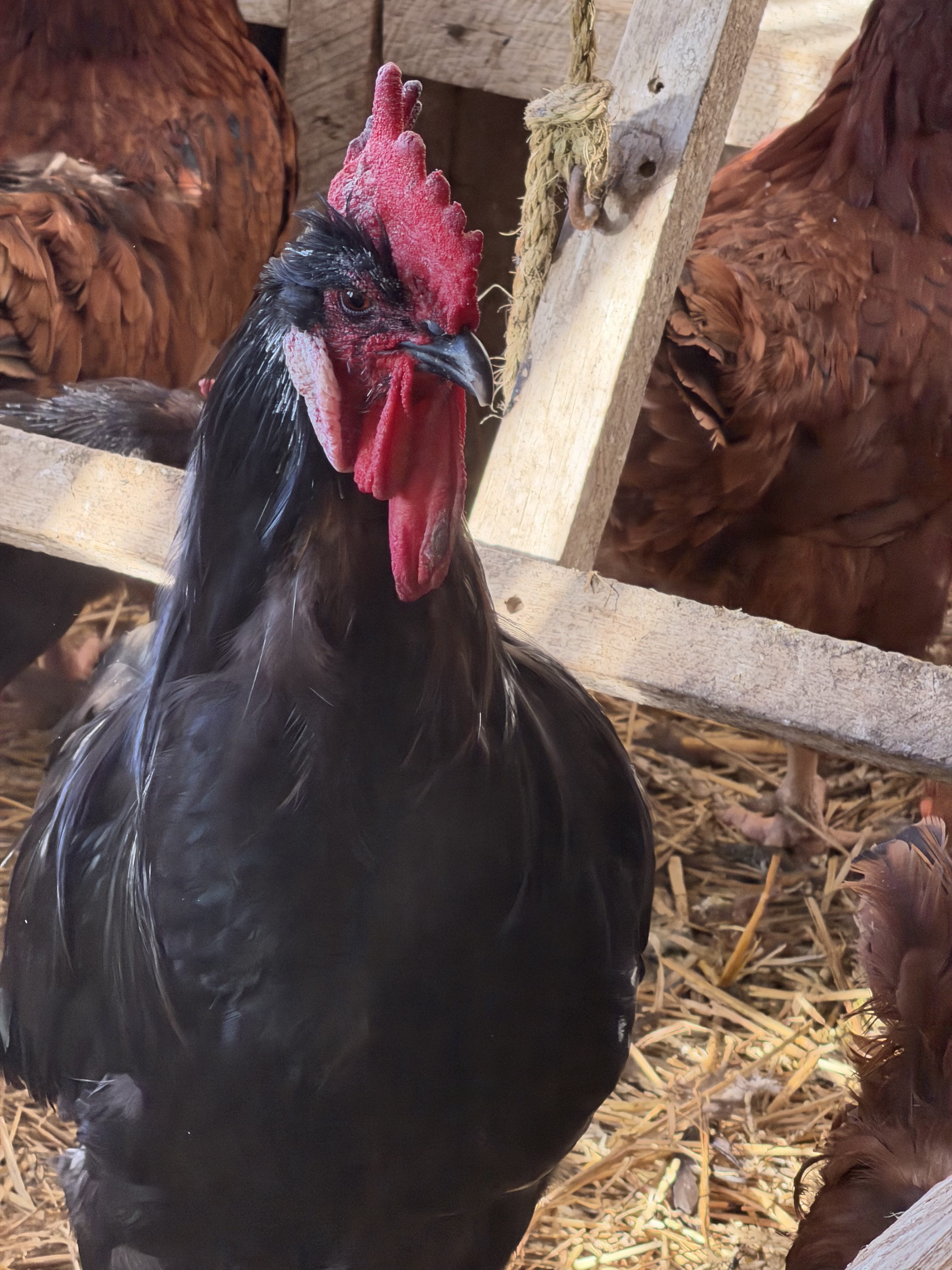
The chickens woke me up the next morning, and I was out with my camera once again. There are more animals and more photos of the animals than I could possibly share in this post, but here are some of my favorites.
text
Getting to meet some of the volunteers, hearing about their 20+ years of dedicated care for Slate Run, was a treat. I imagine that my retirement will include more time outdoors than sitting on the couch at home. I hike and ride my bike because I love it AND so that I maintain a level of fitness that will keep me exploring, and giving back to, the parks. My goal is that will will continue well past retirement age.
The opportunity to camp at Slate Run was part of the Columbus and Franklin County Metro Parks’ 50+ programming, but events throughout the park system are open to visitors of all ages. There’s free access to the parks, with pre-registration required for events like the overnight camping. We were fed, entertained, educated, and worked (just a little bit) on the farm. It was a delight! I’ll absolutely sign up for the next camping adventure. Getting to camp in what is usually a restricted area is another kind of adventure.
Here in the United States ‘wild camping’ is frowned upon, unlike the attitude in many other countries. But this adventure seemed a little bit wild, even in the domesticated environment these animals live it. I haven’t even mentioned our late night owl hike. We let our eyes adjust to the darkness and walked quietly down wooded trails. Our guide gave the “Who cooks for you? Who cooks for you all?” call of the Barred Owl. It was returned by one, then two of these owls, who arrived silently and then started up a conversation with us and with each other.
A small confession: Until this hike I was misinformed (by my own ears) into thinking these beautiful creatures were called Bard Owls, named for their sing-song call. Ha ha! As we prepared to go on our hike and talked about the markings on the birds my ears heard something different. Oh, they are Barred Owls, named for the striping on their wings. It’s not quite as romantic a name as Bard Owl, but now I know!
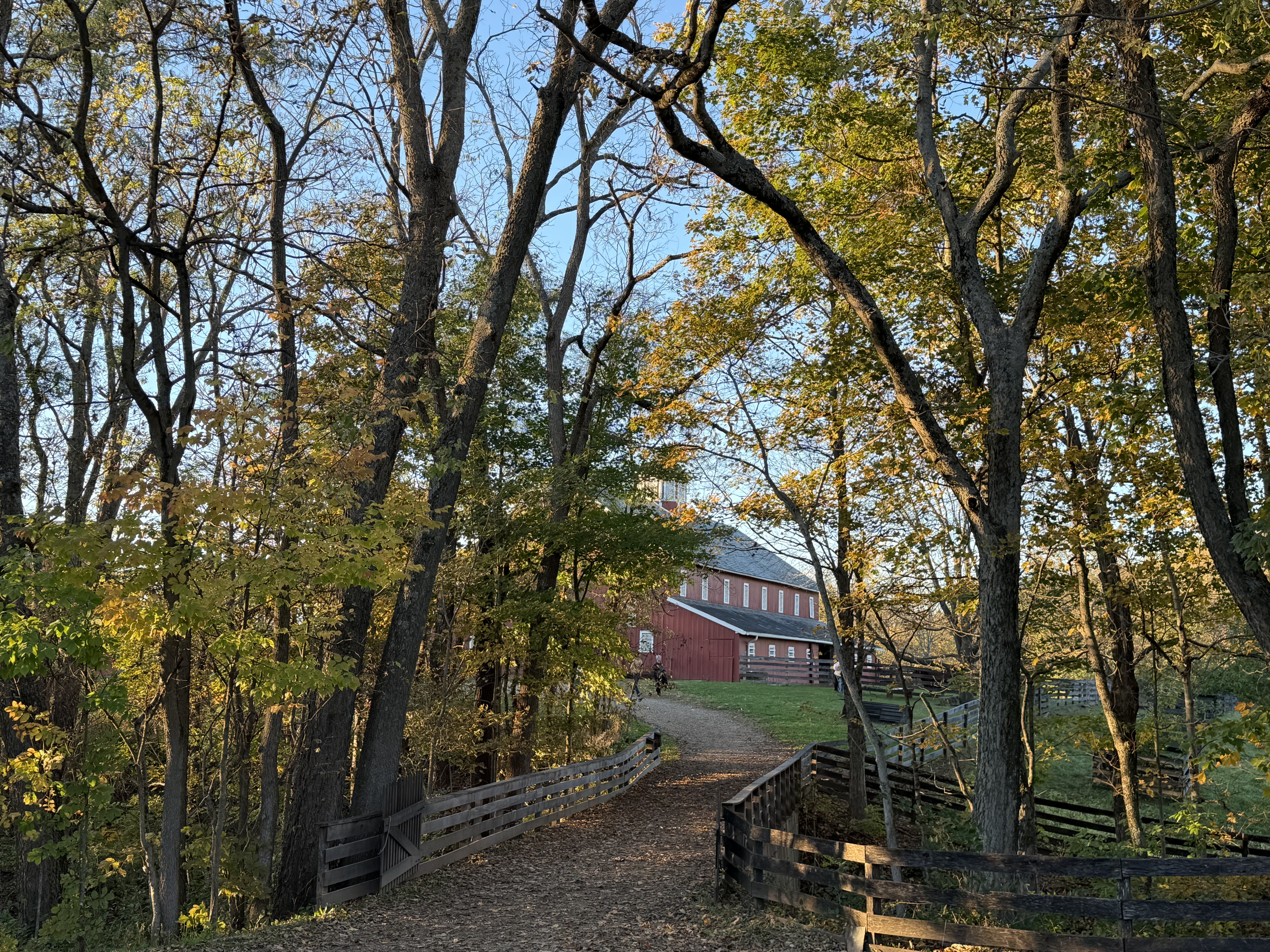
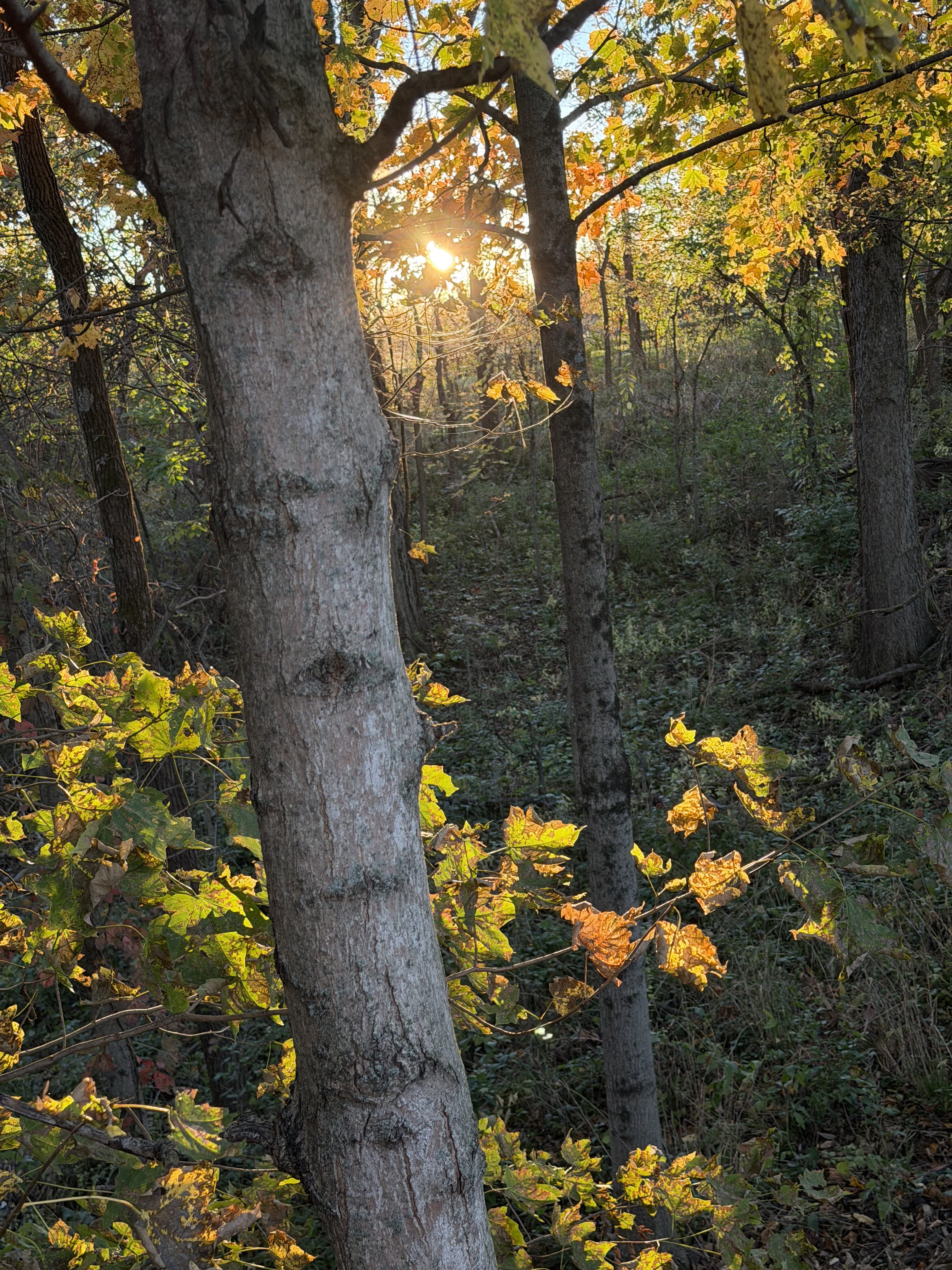
I’d be remiss if I didn’t sing the praises of the remainder of Slate Run, as a metro park worth visiting! “The farm isn’t all the park has to offer: “Slate Run features a variety of habitats ranging from open areas of grasslands, wetlands and meadows to forested areas of beech, oak, hickory and sugar maple. Wildlife viewing opportunities abound at the 1,705-acre park. Sandhill cranes nest in the 156-acre wetland and northern bobwhite quail have been reintroduced in the park.” (Columbus and Franklin County Metro Parks)
Join me on my next adventure,
~ Kat
Related Links:
A Fox in the Snow (2024 Slate Run blog post): https://kathleenodowd.com/2024/03/10/a-fox-in-the-snow-the-challenge-of-conquering-19-winter-hikes-demands-courage-commitment-and-a-bit-of-comedy/
Sweata Weatha (SNL skit on YouTube): https://youtube.com/shorts/UPp0GgKMkAo?si=4IzxhclgrFs9wz9v
Sarape (Mexican Blanket): https://micompadre.com/blogs/news/types-of-mexican-blankets-explained-sarape-falsa-saltillo
Cottage Life (2-seat Outhouse): https://cottagelife.com/general/fancy-a-tandem-trip-to-the-outhouse/
Slate Run: https://www.metroparks.net/parks-and-trails/slate-run/
The Story of Slate Run:

