
My gut told me that Boston was full of bibliophiles, collecting and having a great love of books.
Growing up, we couldn’t get our hands on Notre Dame season football tickets, but my dad was a ‘super fan,’ so we’d drive from Chicago to South Bend on game day, soaking up the atmosphere. My dad could listen to the game on the radio. I fell in love with our visits to the university bookstore – as if bookstores were travel destinations.
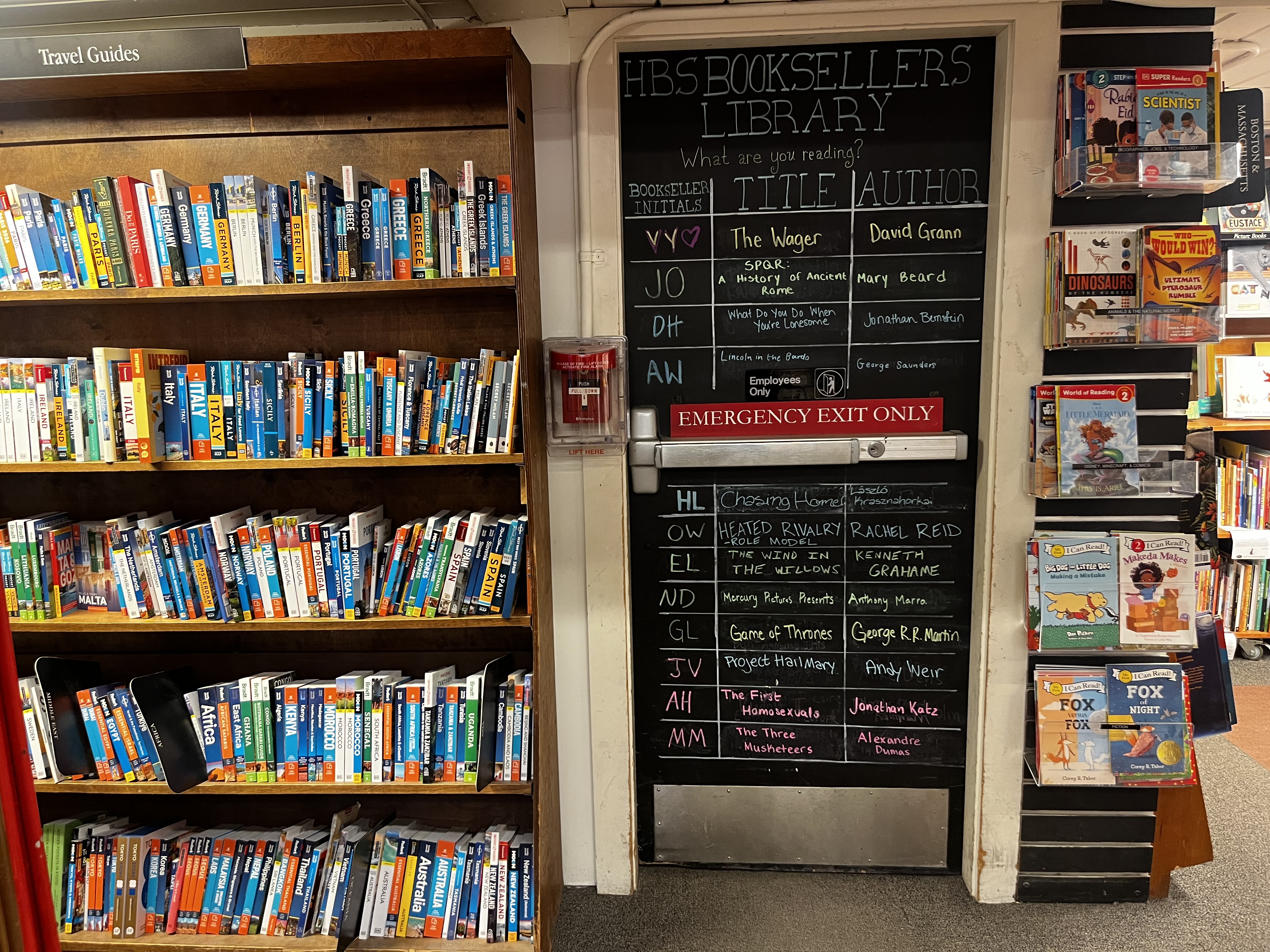
On a recent visit to Boston, I checked into an old Victorian home that had been turned into A Friendly Inn at Harvard, in Cambridge. Soon after, I discovered just how much Boston (or at least Cambridge) likes to read. There seemed to be a bookstore, library, or museum in every direction, within walking distance. My aim was to wander about and explore them haphazardly, as I sometimes do. The overarching goal was to find the Harvard bookstore, but we’ll get there.
First, what was I reading, you ask?
The Soul of an Octopus: A Surprising Exploration into the Wonder of Consciousness by Sy Montgomery
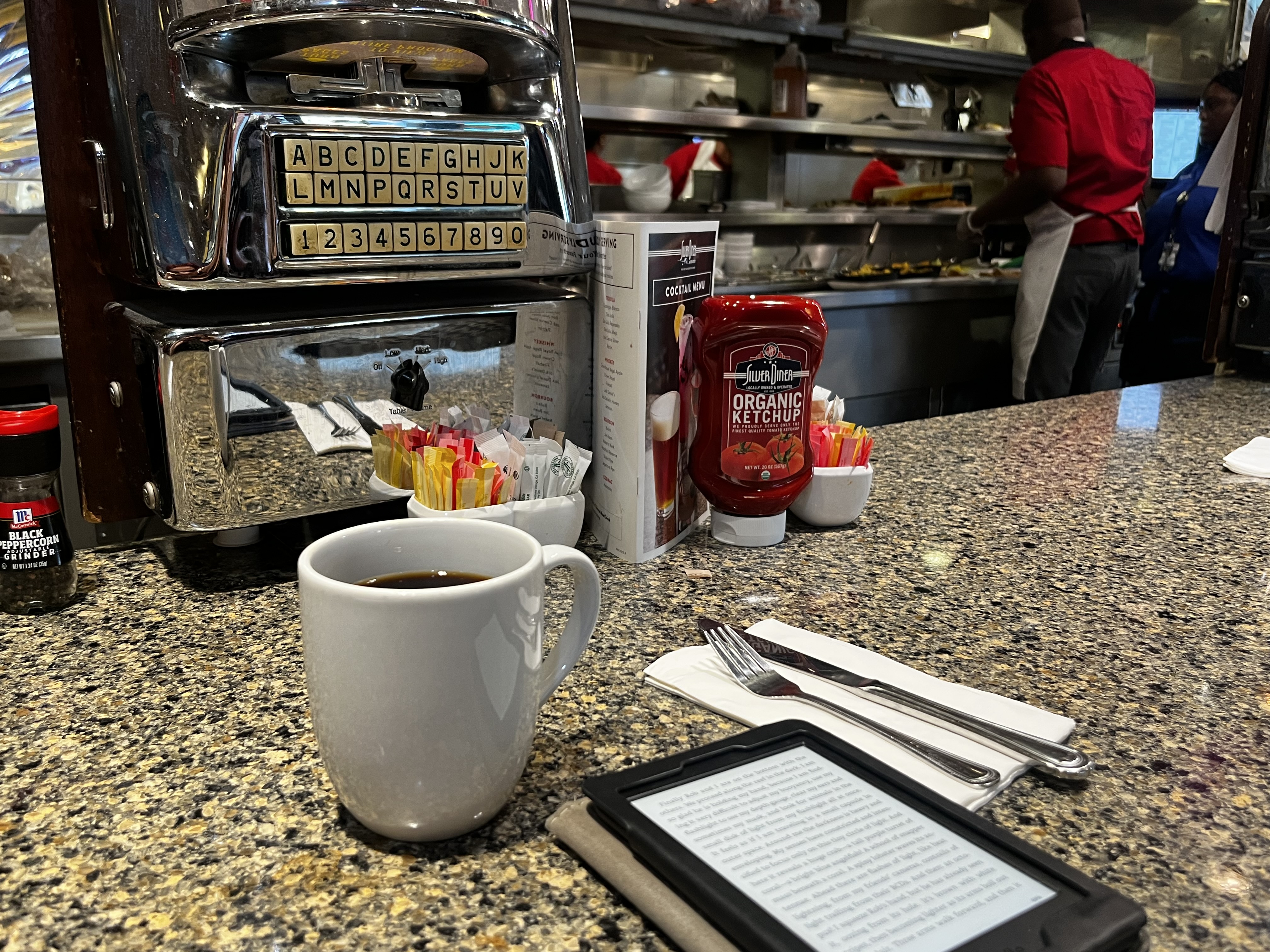
It was an earth-shattering and life-disrupting moment. I finished the March book early on my Kindle, almost a week before book club. This is unheard of. I’m a recovering philosophy graduate student who almost forgot that it was okay to read just for fun, and not just for academic learning. I had around 74% of the content read when I was told “The End.”
What?! Turns out there were so many photos, references, and an index at the end of the book. I can’t be bothered to look at a Contents page while I’m reading my Kindle, so I was unaware. I took my time to enjoy the photos, slightly envious of those readers with a hard copy of the book, who would have been able to admire the photos while reading the stories. I admit, this is a lazy Kindle reader’s self-inflicted hazard.
You don’t need a complete book review – those are available elsewhere. If you’re interested in underwater creatures, scuba diving, scientific research expeditions, building community, volunteerism, neurodivergence, octopus sex (but NOT that kind of octopus sex). . . If you have an interest in the wonder of consciousness, give this book a chance.
The book is truly more of an exploration into all of these topics than an academic research volume. I’m now rather inclined to watch the film Remarkably Bright Creatures. It’s not out yet, but I hope to catch it in the theater because I imagine there are some stunning shots of the octopus featured in the film. (SPOILER ALERT – I hear that the octopus, who is the narrator of the story, deems humans to be remarkably bright creatures. I don’t know about that… maybe.)
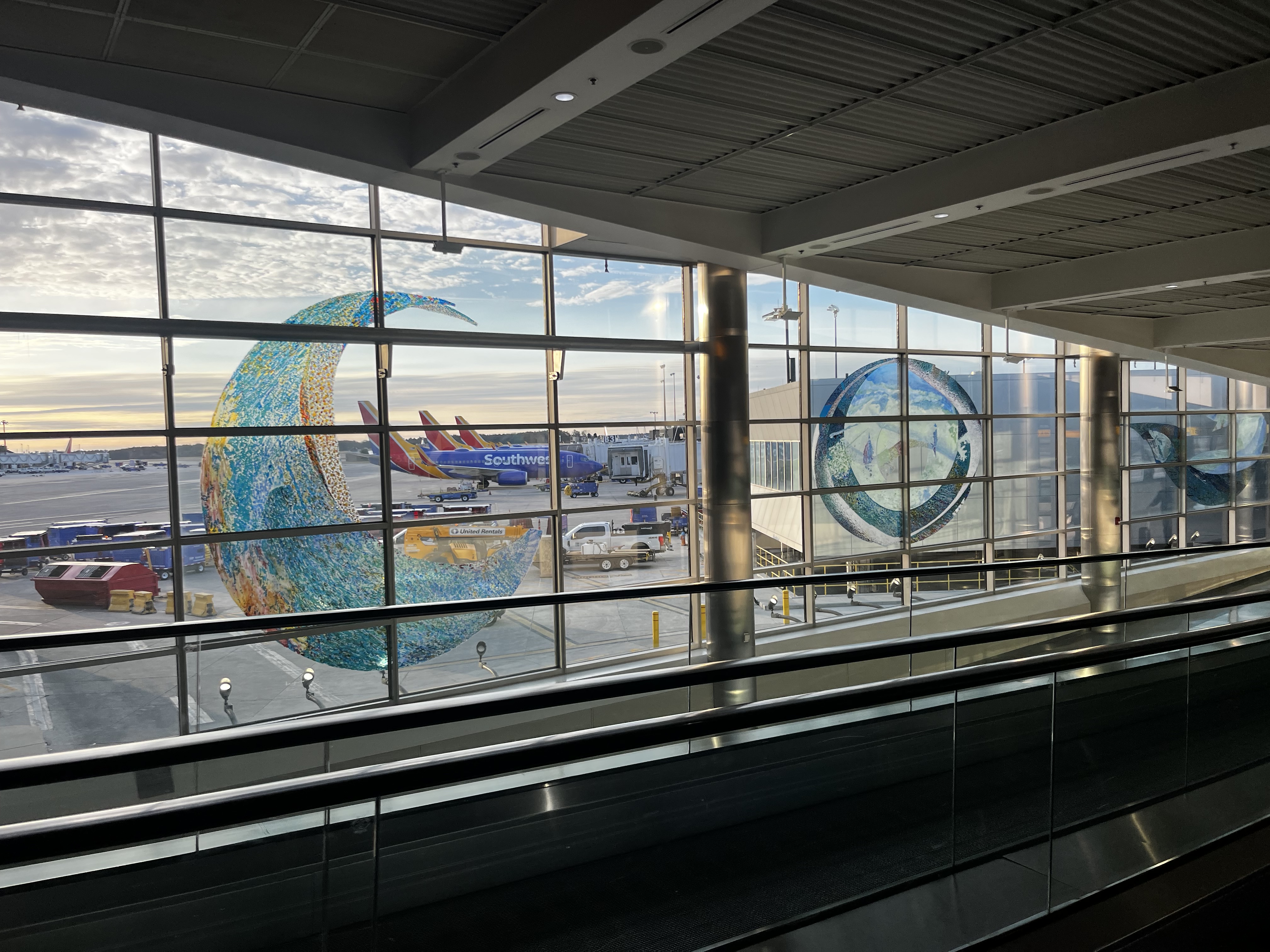
I read on my flight to Boston and on my layover, but only after checking out the airport books, newsstands, and art displays.
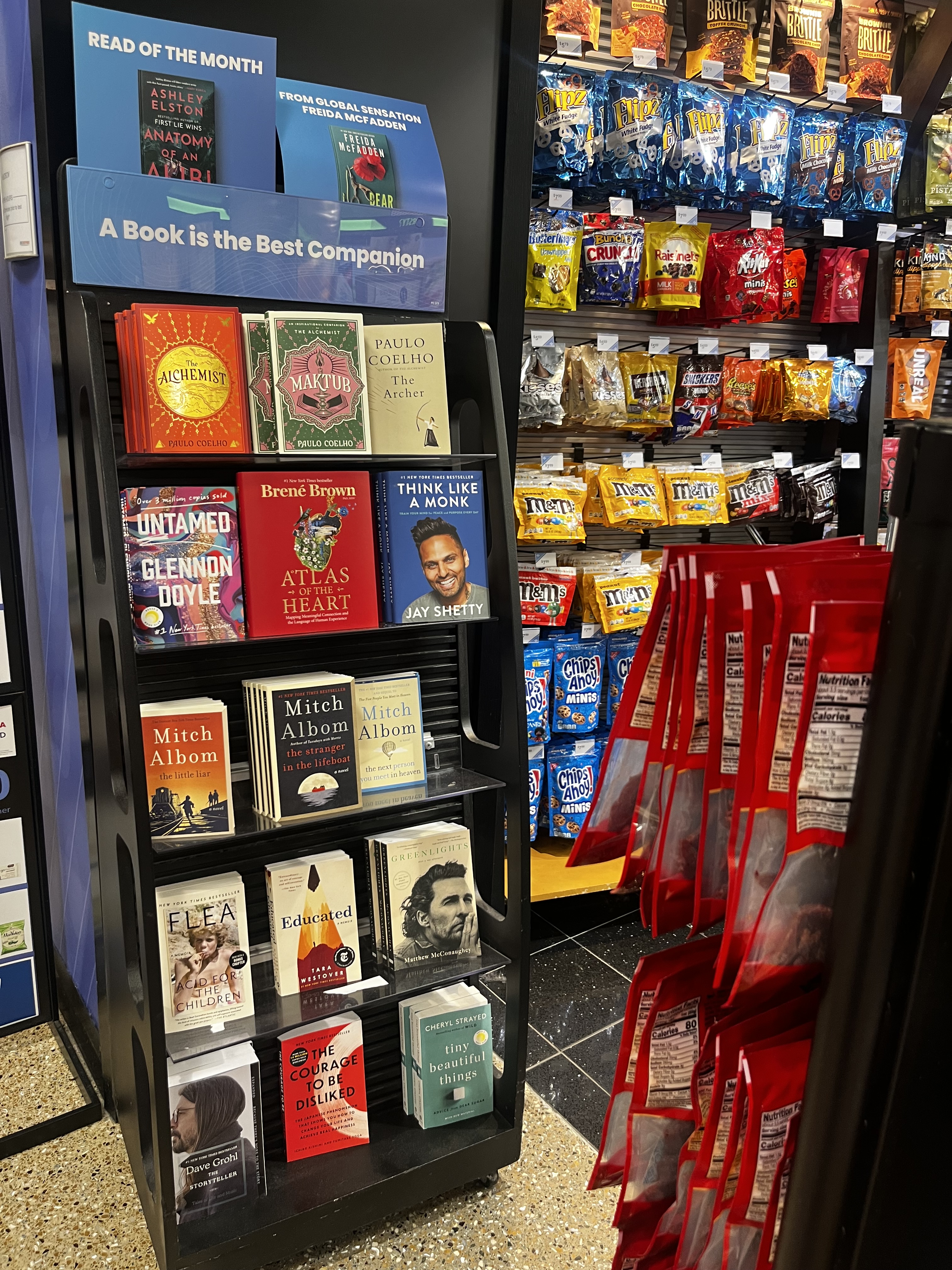
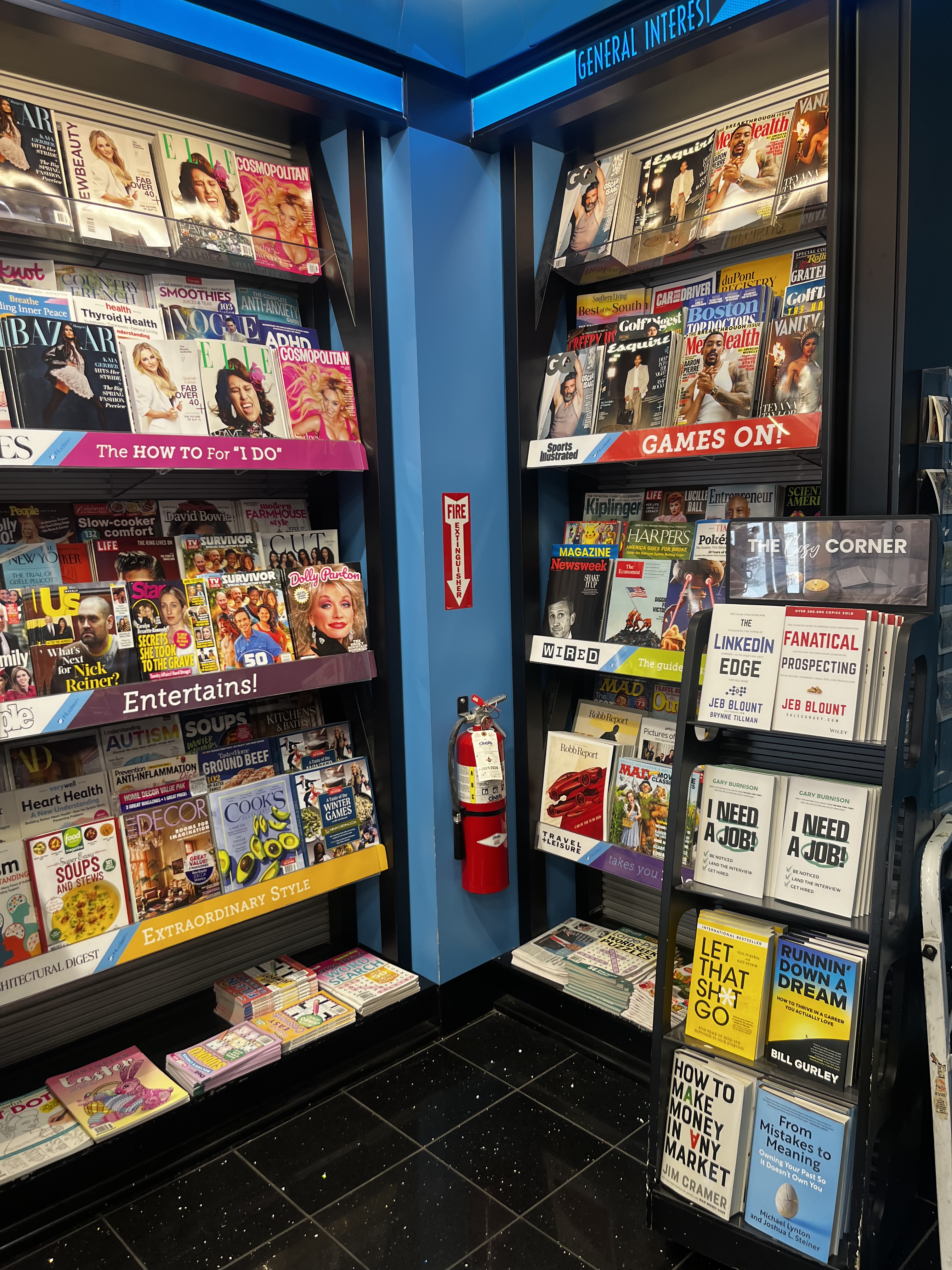
What’s in the airport bookstore, anyway? Catering to a captive audience
Why are there so many self-help books at the airport? Think non-fiction for business entrepreneurs and mid-level managers, along with relationship advice. The rest are romance novels, thrillers, the latest celebrity gossip, and travel adventure books. It’s a combination of New York Times bestsellers, celebrity memoirs, and shirtless Fabio-inspired covers that you’ll most definitely judge a book by.
Consider this! Airport shops, restaurants, and services cater to travelers expected to have time and money to burn while on a layover that’s long enough to get bored, yet not long enough to leave the airport for a mini adventure in their layover city.
The needs of frequent flyers who want to unplug from work emails and pressing deadlines, to pick up an easy read, have led to a pretty robust Read and Return program at many airports. Those looking for a beach read can also participate. They pick up a book on their way out of the airport when they land in Tampa Bay then return it before heading back to the Midwest. It’s something in-between purchasing the books outright and remembering to stop at your local lending library before heading out on a long-overdue vacation getaway.
“The program was never advertised with anything more than a sign in the stores, but “it took on a life of its own,” said Paradies spokeswoman Bobbi Passavanti. “It proved to be way more successful than we could have ever dreamed. Our book sales are up 20 percent.” To make returns convenient, a sales clerk tapes the receipt to the inside of the book, and hands you a bookmark with a list of Paradies locations where the book can be returned.” (Tampa Bay Times)
So, I’m happily reading about octopuses on my Kindle when my flight lands. I realize how many bookstores are within walking distance of my inn and go out looking for Harvard Bookstore.
Harvard Book Store or Harvard Bookstore?
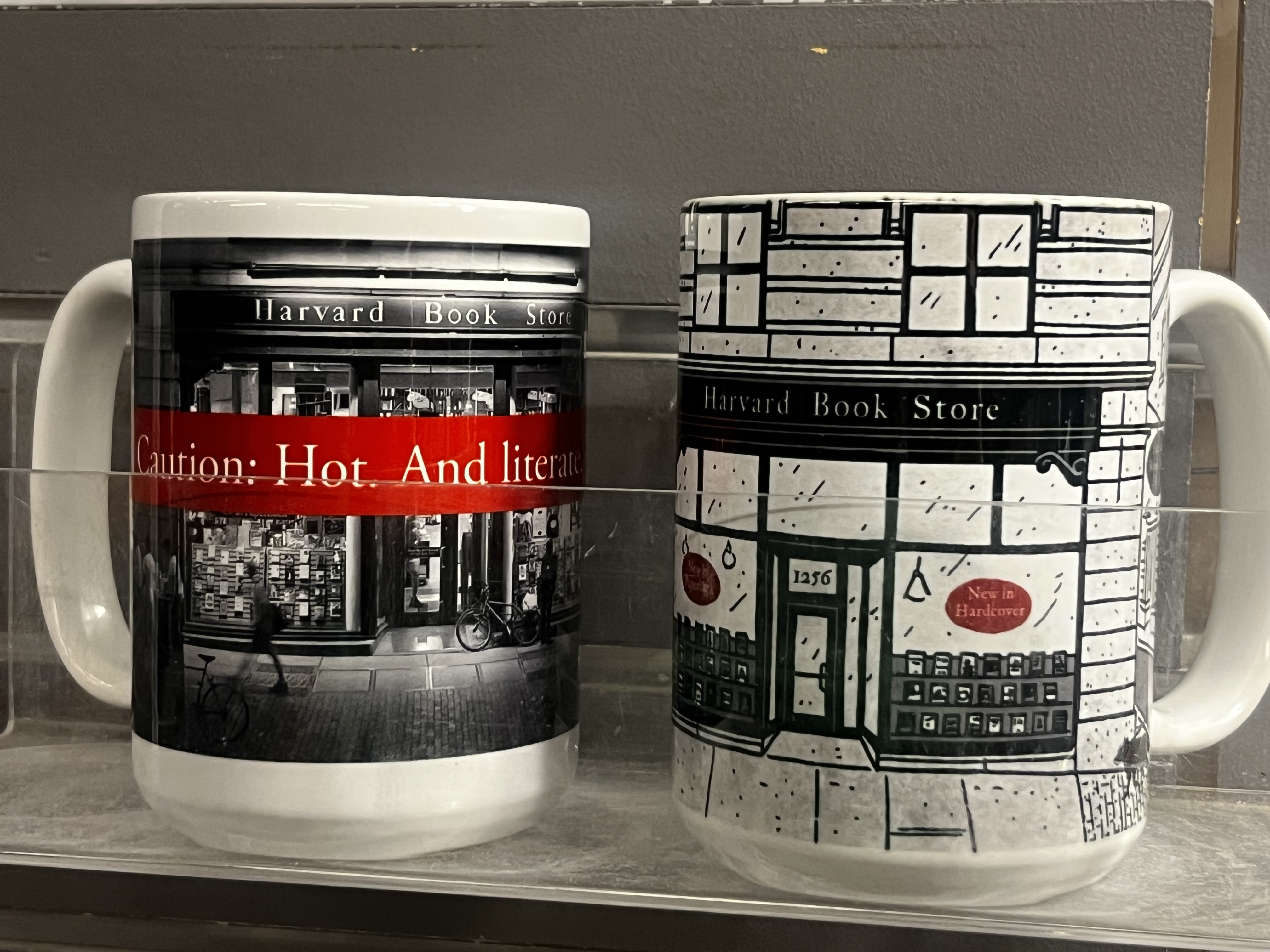
There’s no typo in this section header. Try a Google search for “Harvard Book Store” and for “Harvard Bookstore”. The results are similar, but not identical. I found the former and it was delightful! It’s also a bookstore on Harvard campus and not the campus bookstore. Shrug – I didn’t realize that until I’d been exploring it for almost an hour.
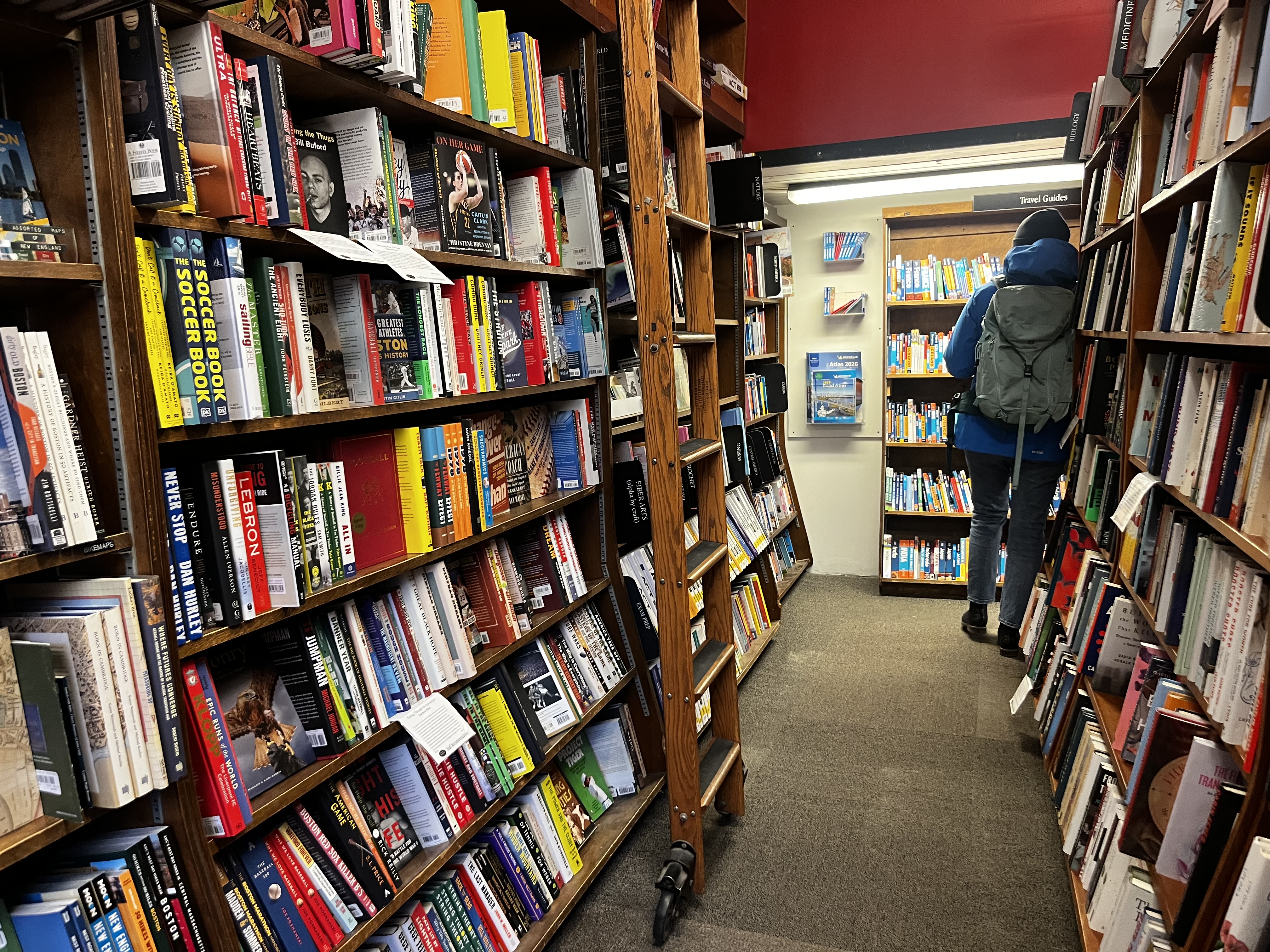
The first floor is stuffed with new books, with staff recommendations, the heavily promoted new releases, and every section you’d expect in a ‘big box’ bookstore in a space that’s a fraction of the size. It was packed. I knew it! Boston likes to read! It also had the smallest apparel section I’ve ever seen, pricy, which is to be expected, but with just a couple of T-shirt and the traditional grey and crimson (Pantone 1807 C) sweatshirt design. The limited apparel was not even available in every size. I was too distracted by all the wonderful books around me to question this.
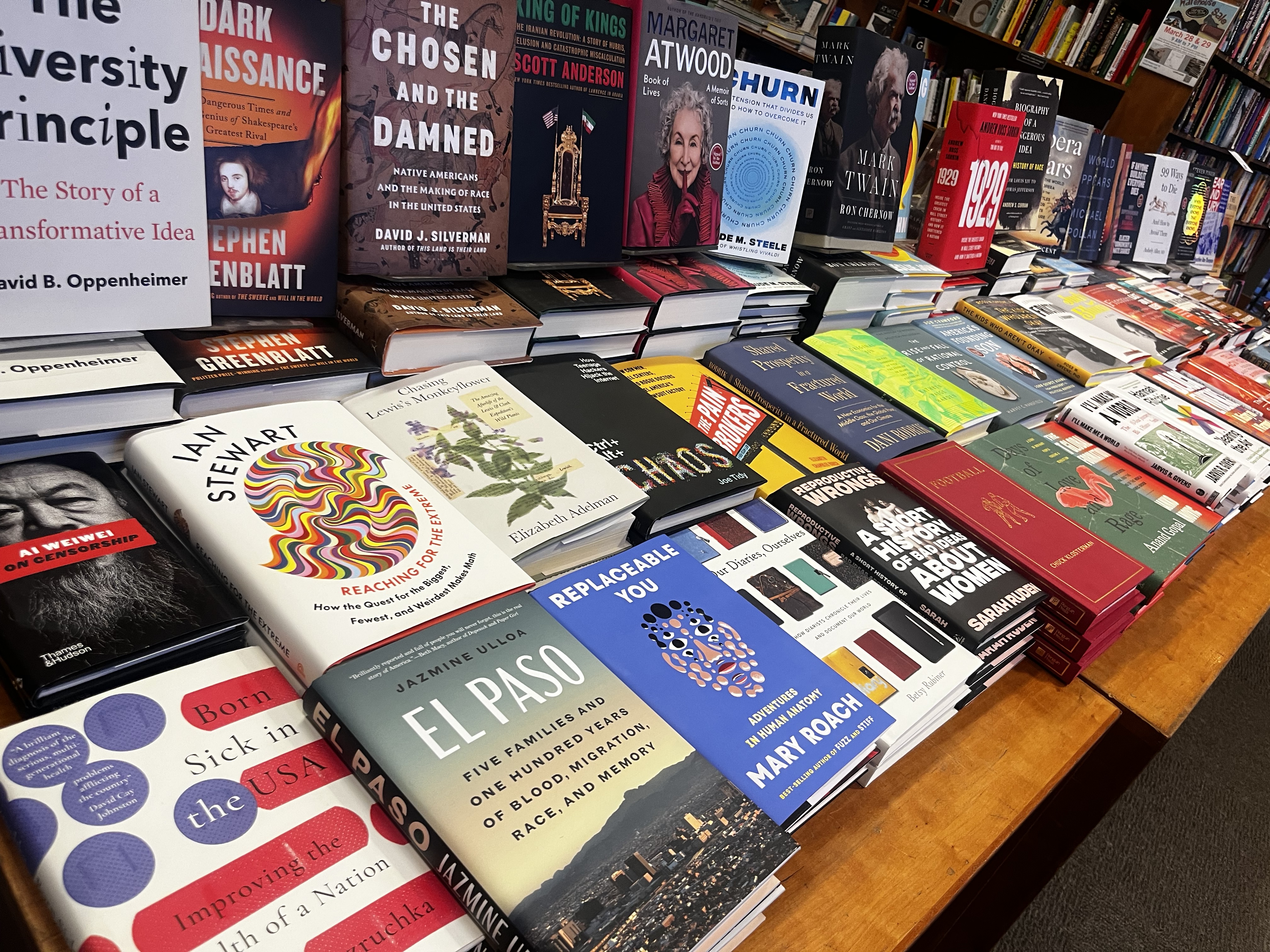
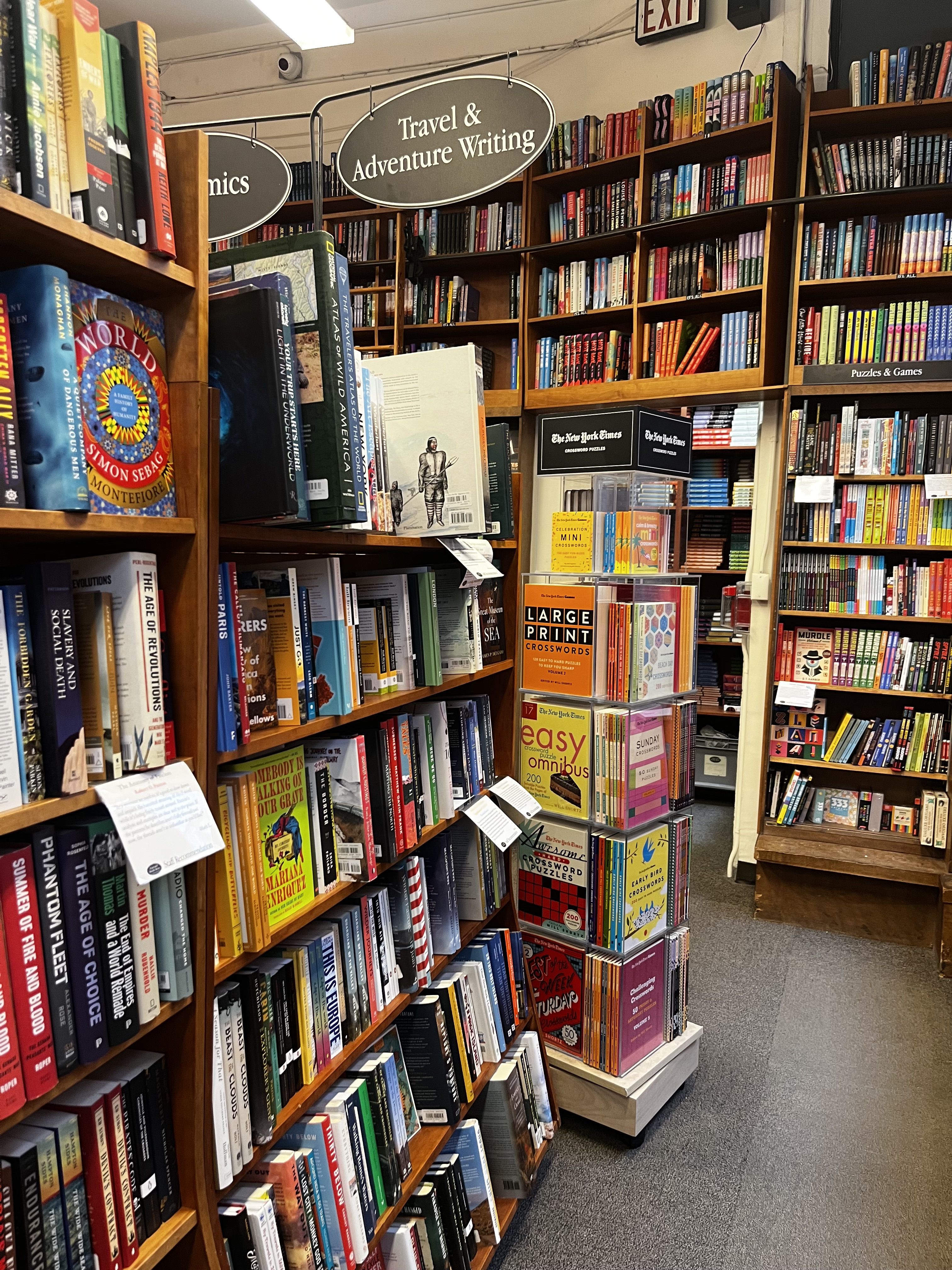
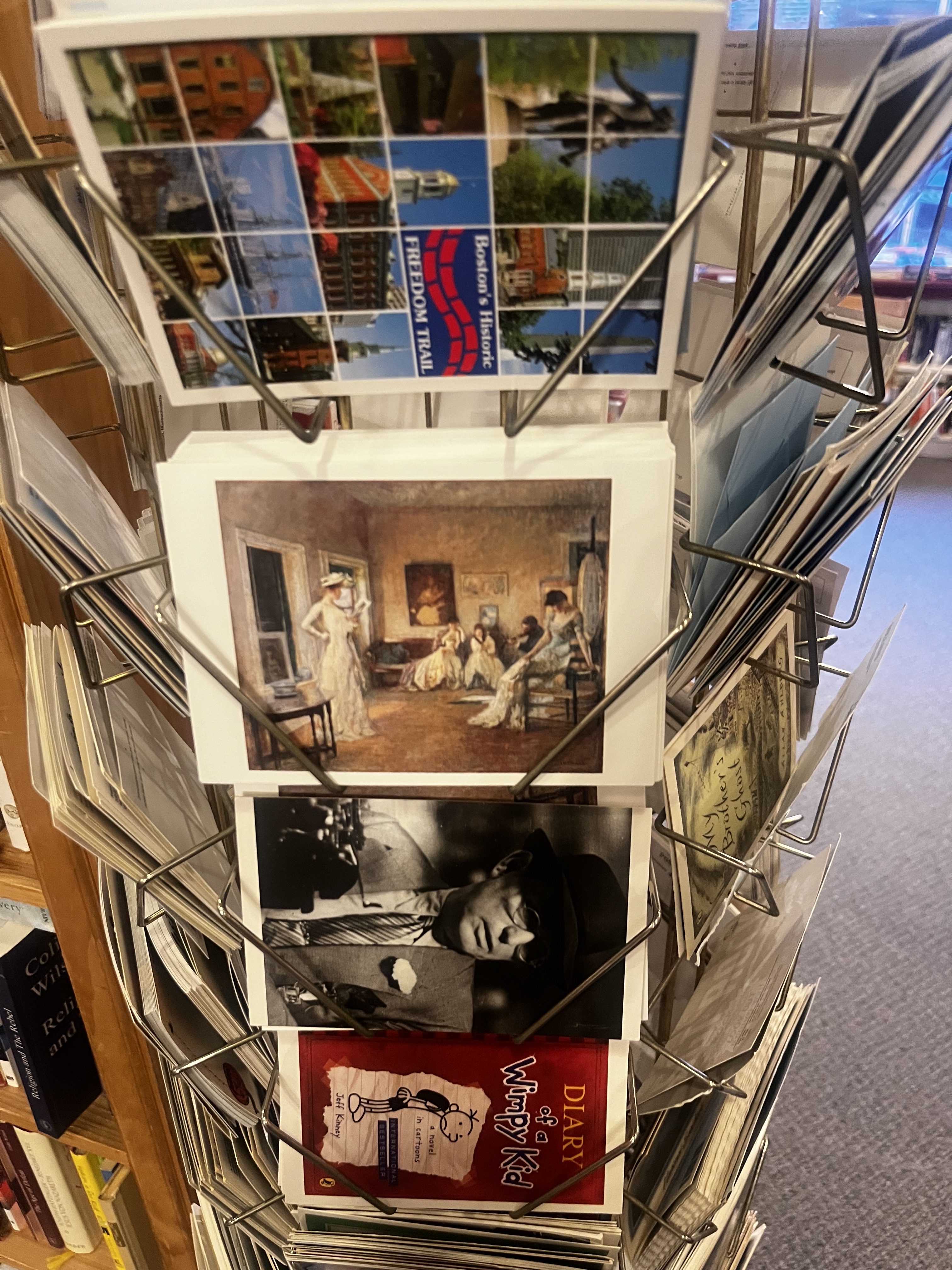
This is the kind of bookstore that has snarky postcards, water bottle stickers, those Ravensburger-style puzzles, and discounted wall calendars in March. I found at least 6 books that could be on the non-fiction book club reading list for 2027. There were more interesting books than I could read in 100 lifetimes.
Then I thought I’d check to see if the textbooks were in the basement.
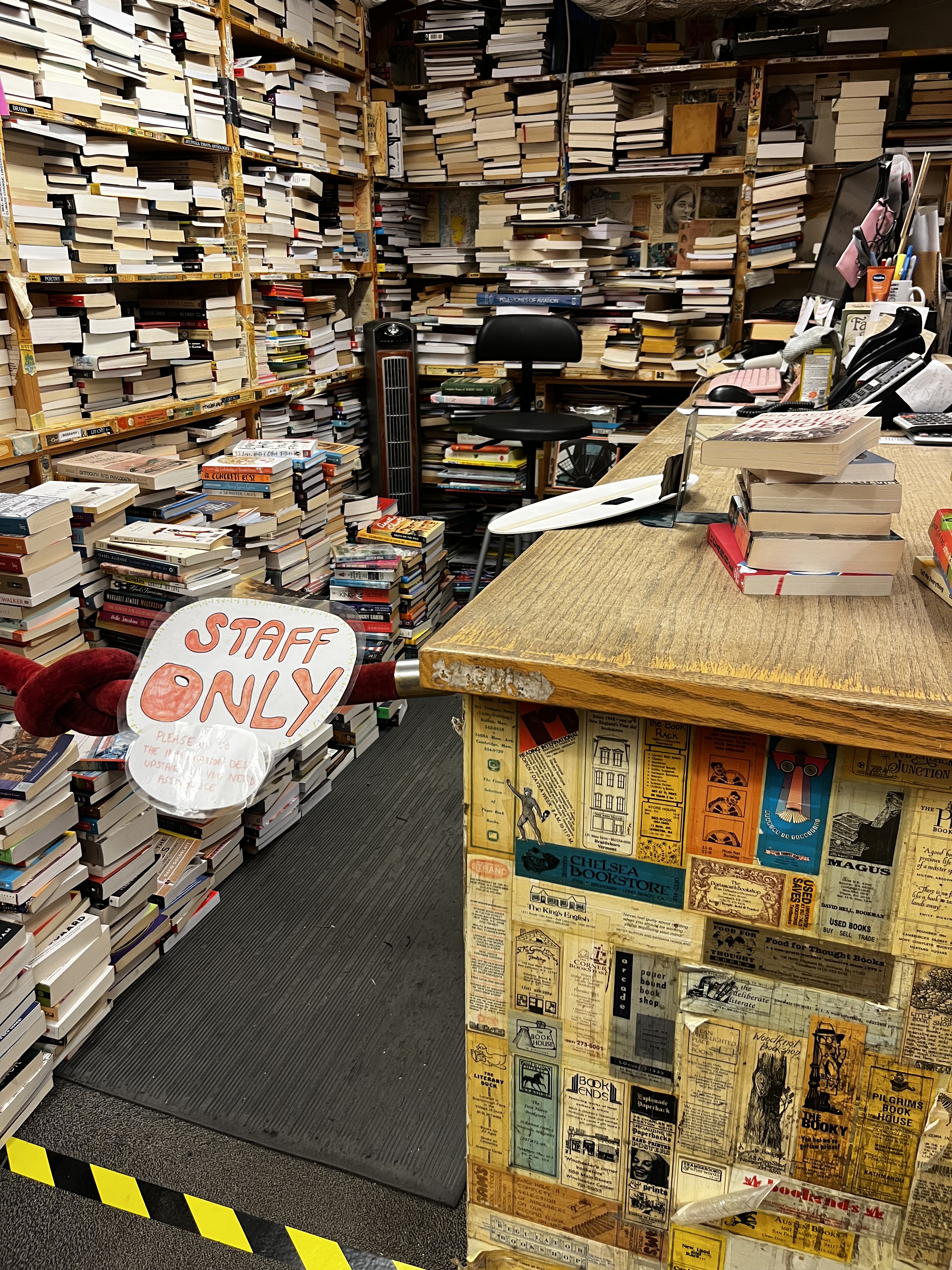
Woah! There were no textbooks, but I could have easily lost another 2 – 3 hours of my day down in the basement. It was another world, stocked with used books and discounted “remainders”. You know, a world where student employees intake used classics, novels, and manga, where no one expects them to file the towering stacks of papers or magazines.
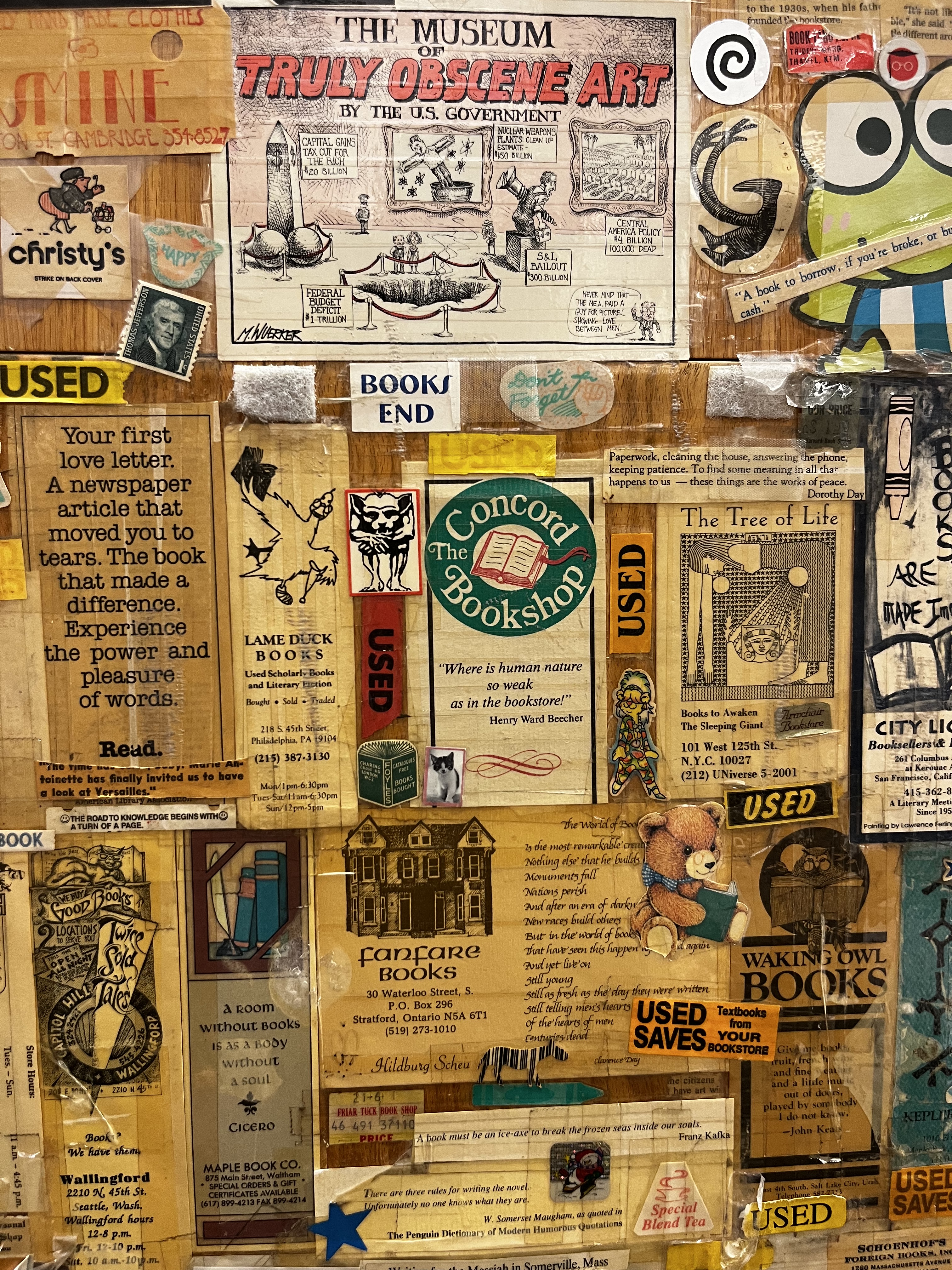
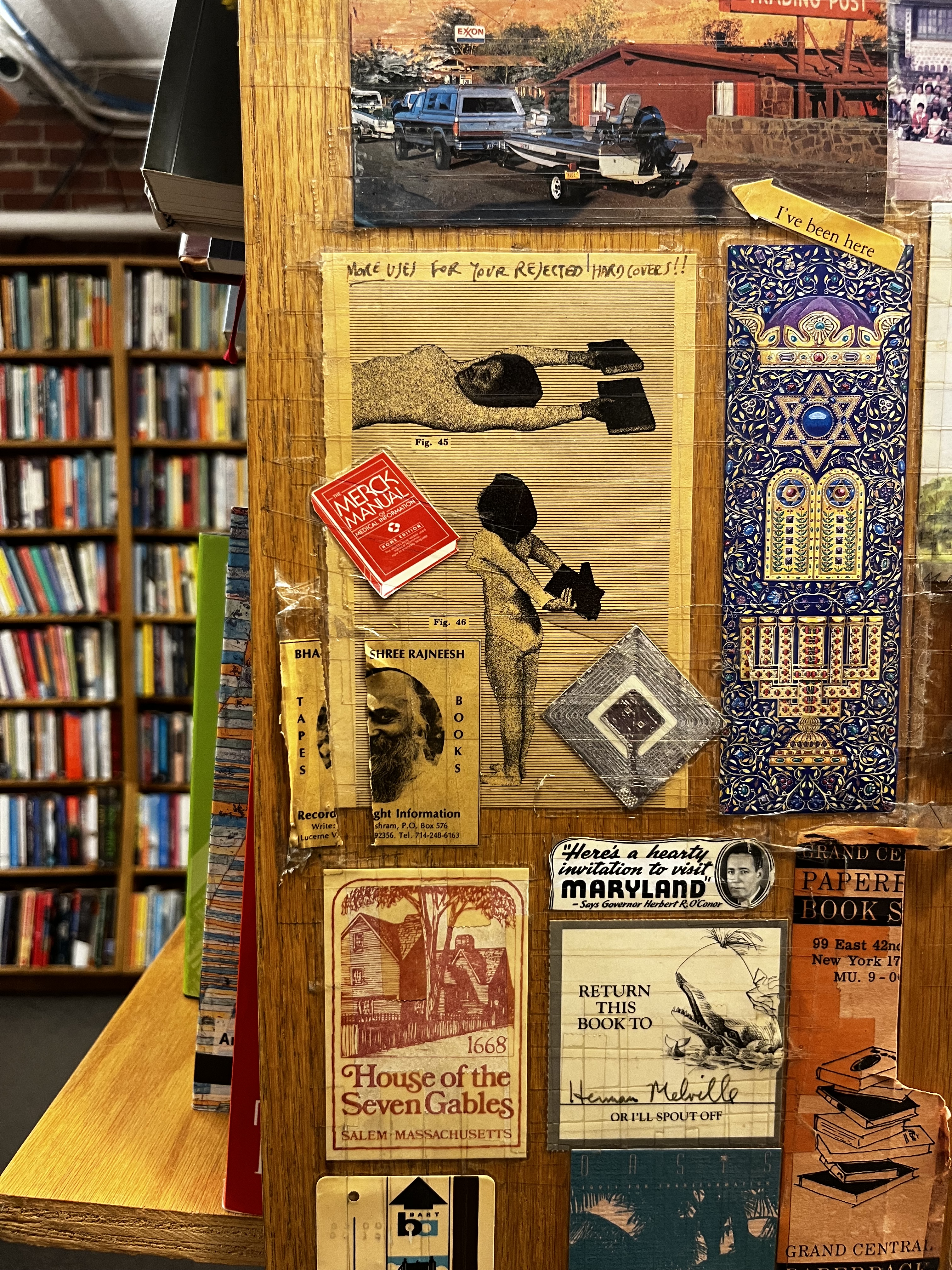
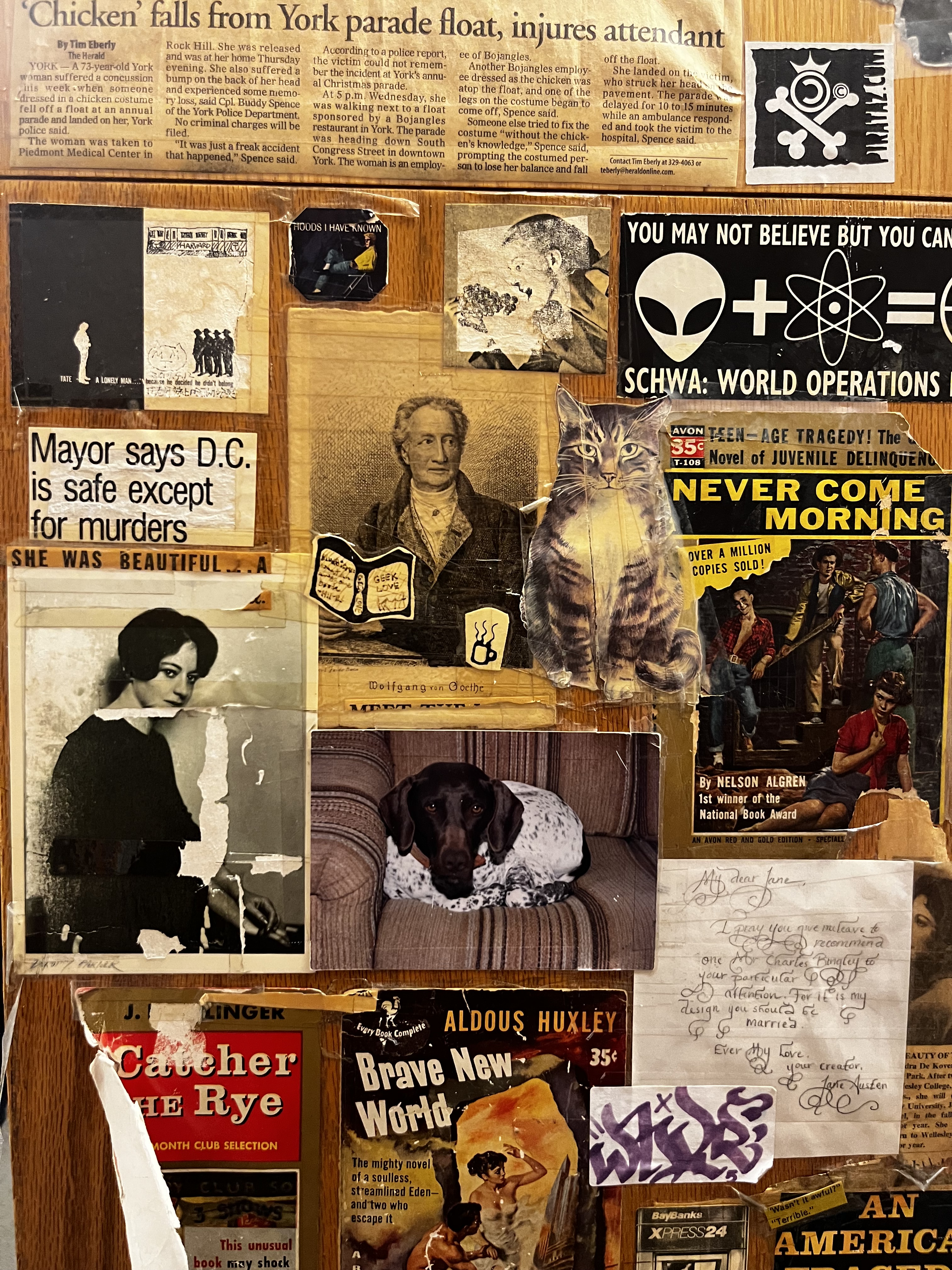
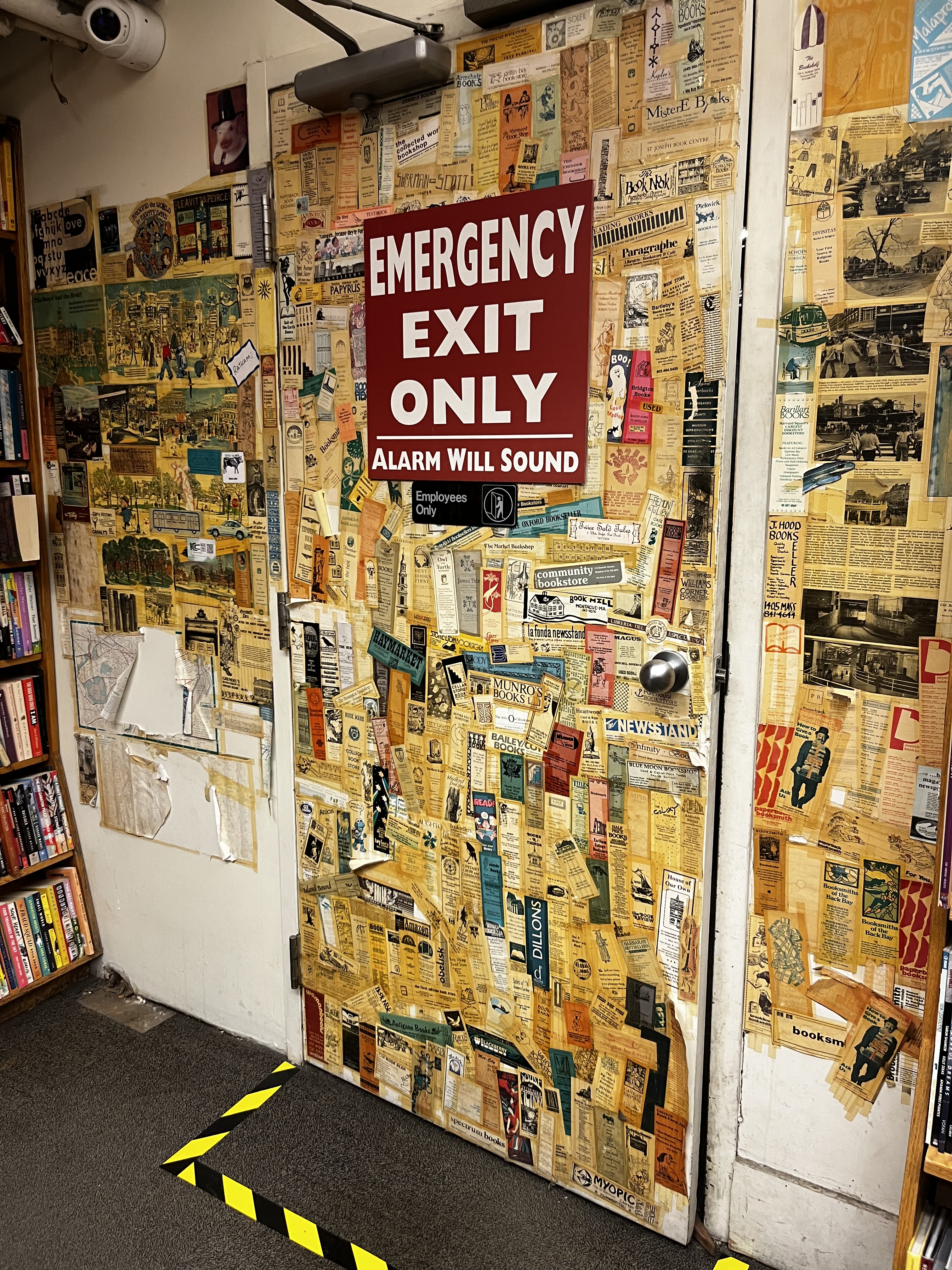
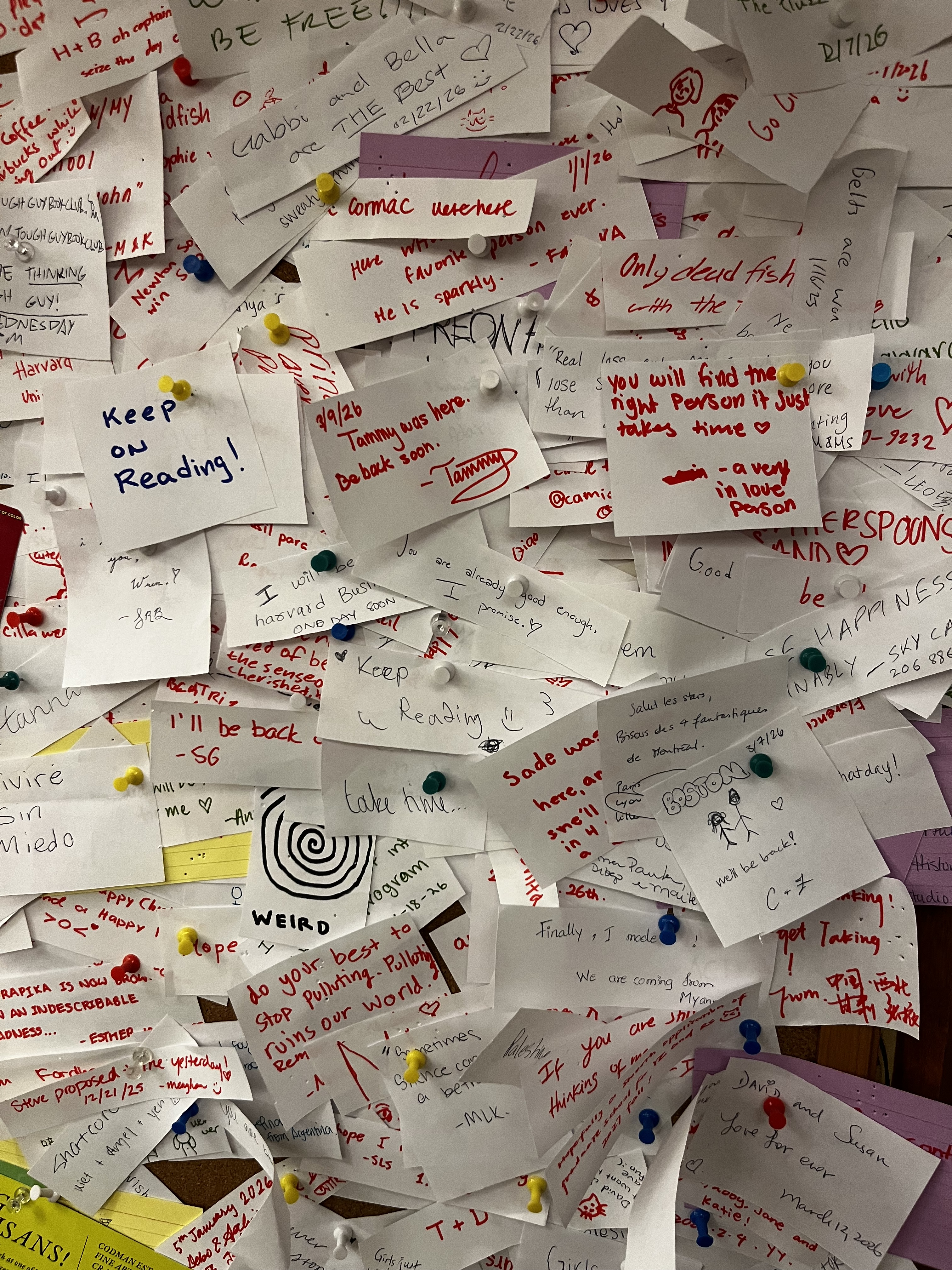
I was in that place where the ends of the bookshelves are covered in decades of notes, postcards, newspaper articles, paperback book covers, pamphlets, Post-its, and photocopied art. It was complete clutter, overstimulation, and dust allergens. It was amazing! If you don’t think so, skip ahead to the section about the Romance-themed bookstore with a coffee bar, wine flights, and charcuterie boards.
Over 4 days I was going to run out of time to visit all the bookstores, libraries, cafés, and eateries I was interested in. I wasn’t technically in Cambridge to be a flâneur, after all!
“Imagine having time on your hands in Paris, feasting on its sensuous pleasures, strolling alone and unafraid. Little wonder the flâneur has captured imaginations, including mine, across cities and centuries. To walk a city led by your senses rather than a destination is to awaken to the city and, possibly, to yourself. It’s an opportunity to expand your capacity for wonder, to discover and delight in things you might have missed had you been aiming to get somewhere.” (New York Times)
Sounds wonderful, but how do you do it?
“Your ‘first care must be to ignore the very dream of haste, walking everywhere very slowly and very much at random,’ Henry James advised visitors to Perugia, the capital of the Umbria region in Italy.” (New York Times)
Gutman Library at the Harvard Graduate School of Education
Why was I in Cambridge, anyway? This wasn’t my first visit to Boston, to Cambridge, the Harvard campus, or their Graduate School of Education. Prior trips had a different focus and sense of adventure entirely:
- On my last trip to Boston my boss took me to the Boston ballet when she discovered that in half a decade of life I’d never been to that caliber of performance.
- Prior to that, I’d biked down an alley near Boston Commons and discovered a Puppet Lending Library: stocked with parade puppets and banners, twenty-foot tall Big City and Mother Earth puppets, twelve-foot dancing cats, enormous flowers, puppet horses for children to ride, and a wide variety of dragons.
- Years ago I’d had a Taste of Boston’s Little Italy.
- I’d even visited Southwick’s Zoo, about 45 miles outside of Boston, where I was Mad about More than Monkeys, interested in education, conservation & a touch of anthropomorphism.
Let me be clear, I share all of this not to brag or boast but to shine a light on why I was returning, once again, to a city I’ve been to so many times already. You see, I’m a nerdy academic, a Next Level Lab superfan, and a CliftonStrengths #1 Learner who took personal time off for professional development. I wasn’t in town to visit Cheers or go on a ghost tour, though I’ve done both of those things!
This trip was to earn a Certificate in Workplace Learning. Oh, what a nerd! I’d be learning about “Six Evidence-Based Shifts for the Future of Workplace Learning: Designing for Better Learning and Performance.” Yes, this was my “next adventure,” the one I’m always encouraging folks to come along on.
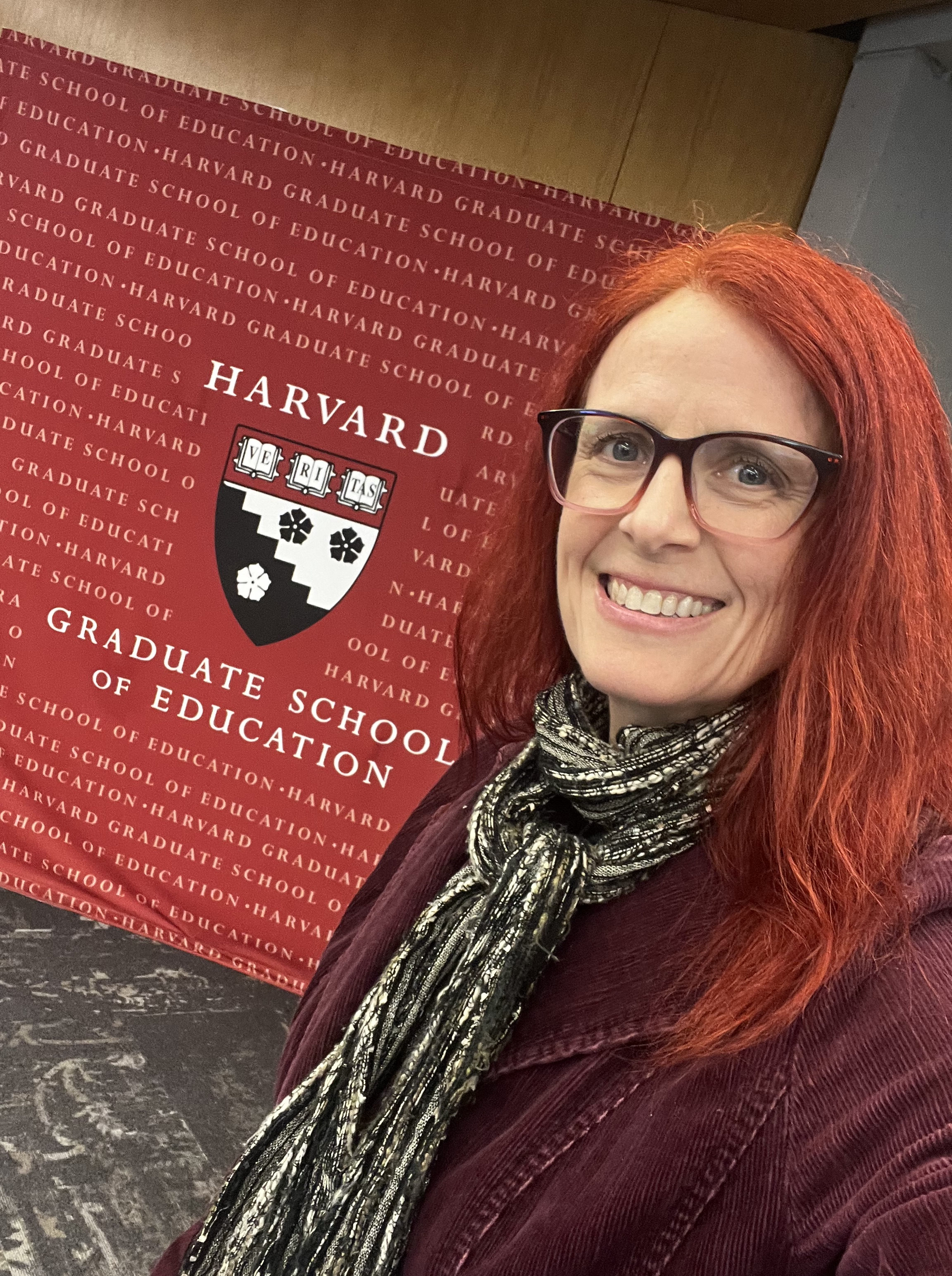
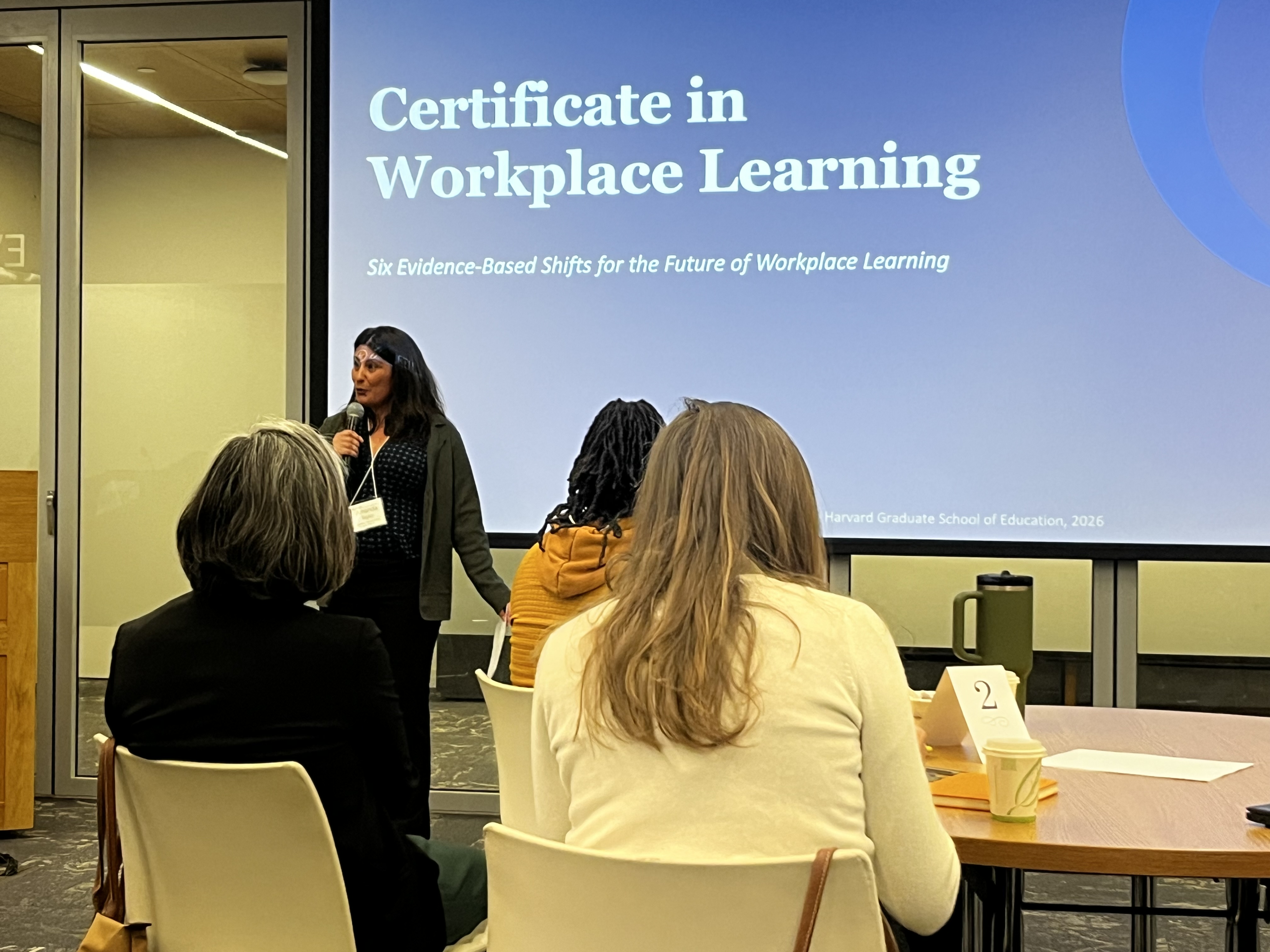
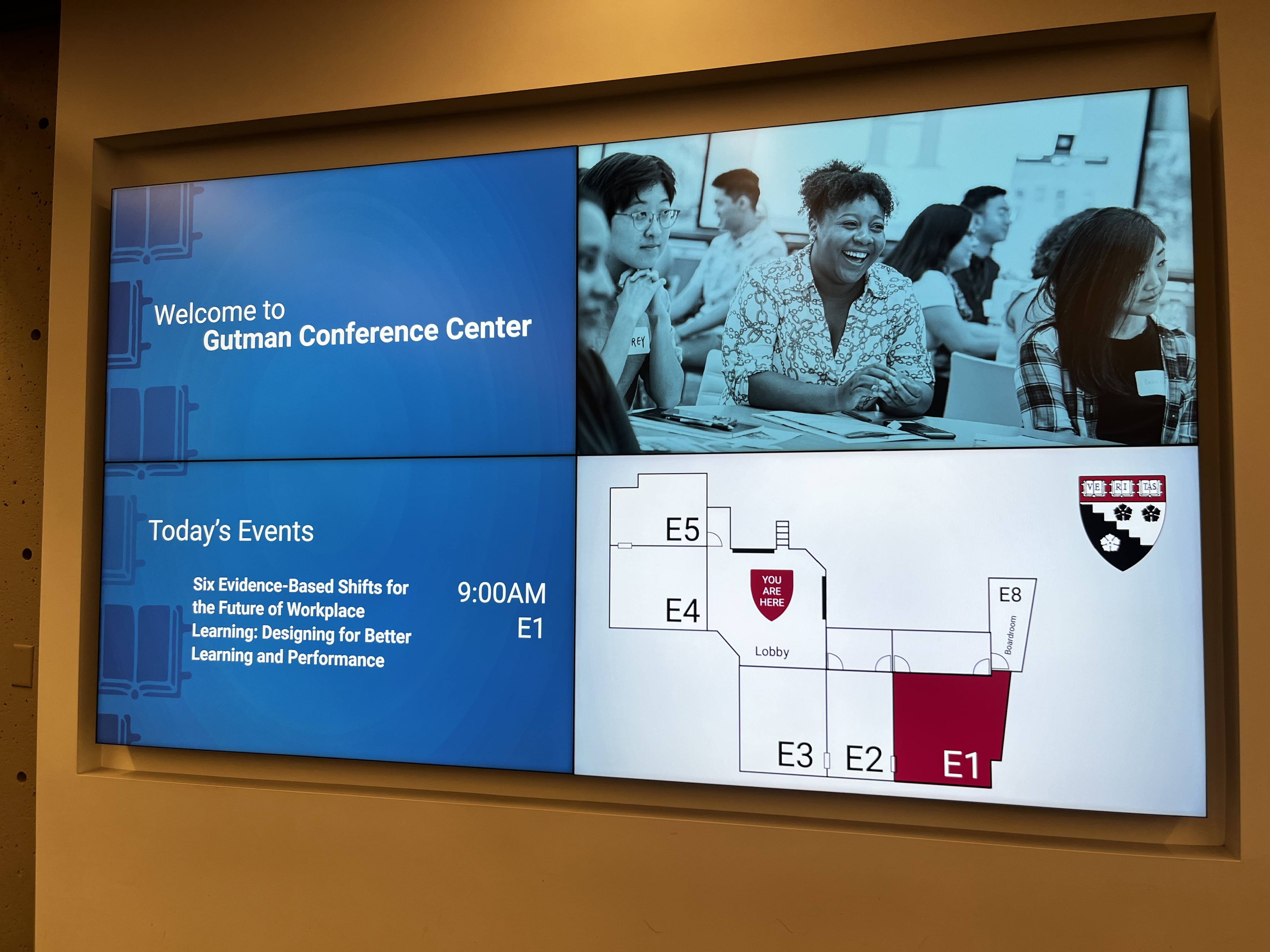
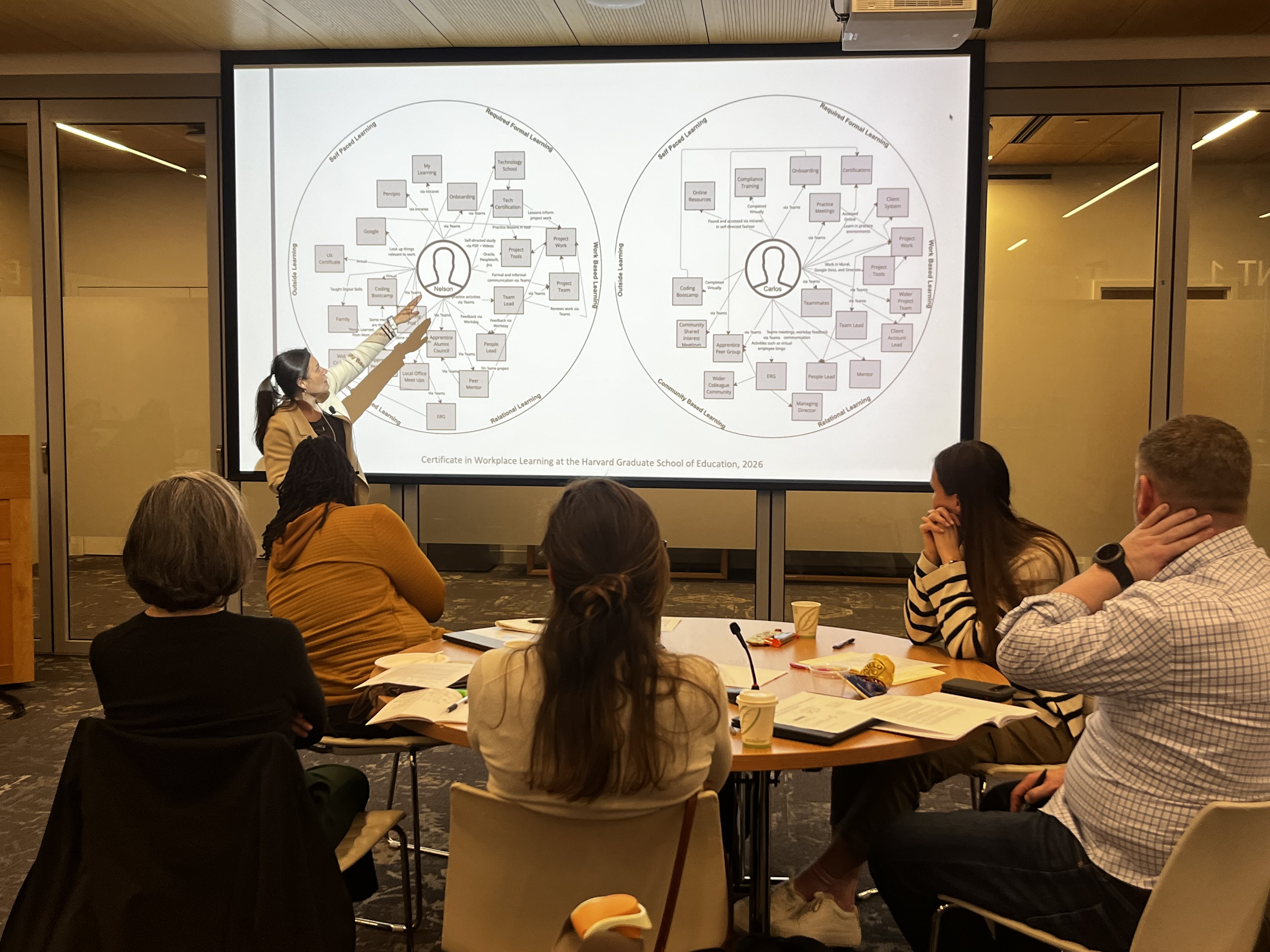
I was joined by professionals from around the world who were just like me – inquisitive, stubbornly curious, and full of questions that seem to come out of nowhere (but are connected in our brains). We spent two days together in the graduate school’s conference center, sitting in the learner’s seat this time. We’re accustomed to being in the facilitator’s seat.
It was March in Boston, so my umbrella was used regularly, but to little effect. At the end of our day of workshop I was confronted with a downpour, just in time to walk to my inn. So, I decided to drag my feet. I wandered through the building’s study areas, peeked in on the innovation lab at Next Level Lab, and was delighted when my entrance triggered the motion-detecting lights in the Gutman Library.
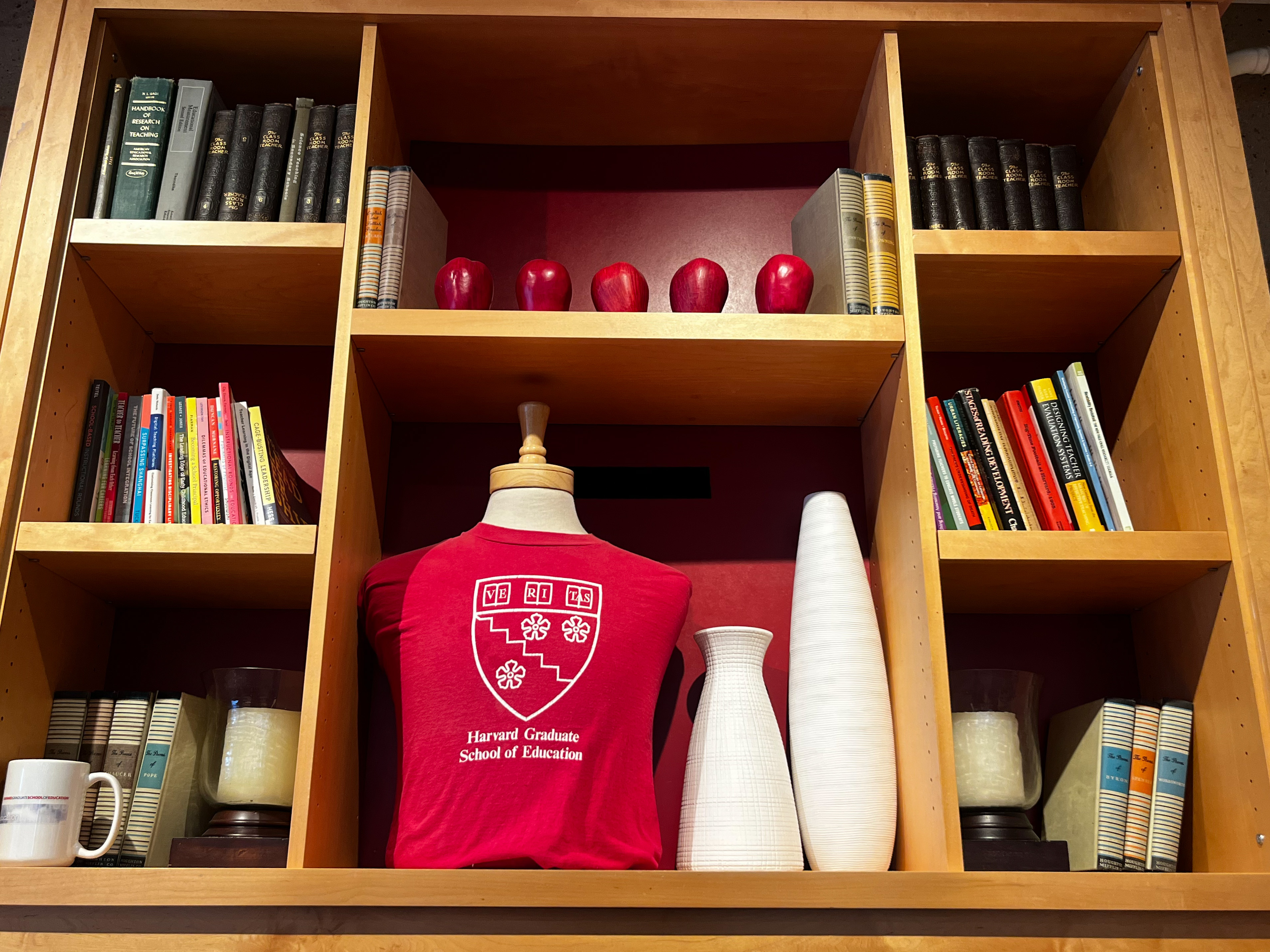
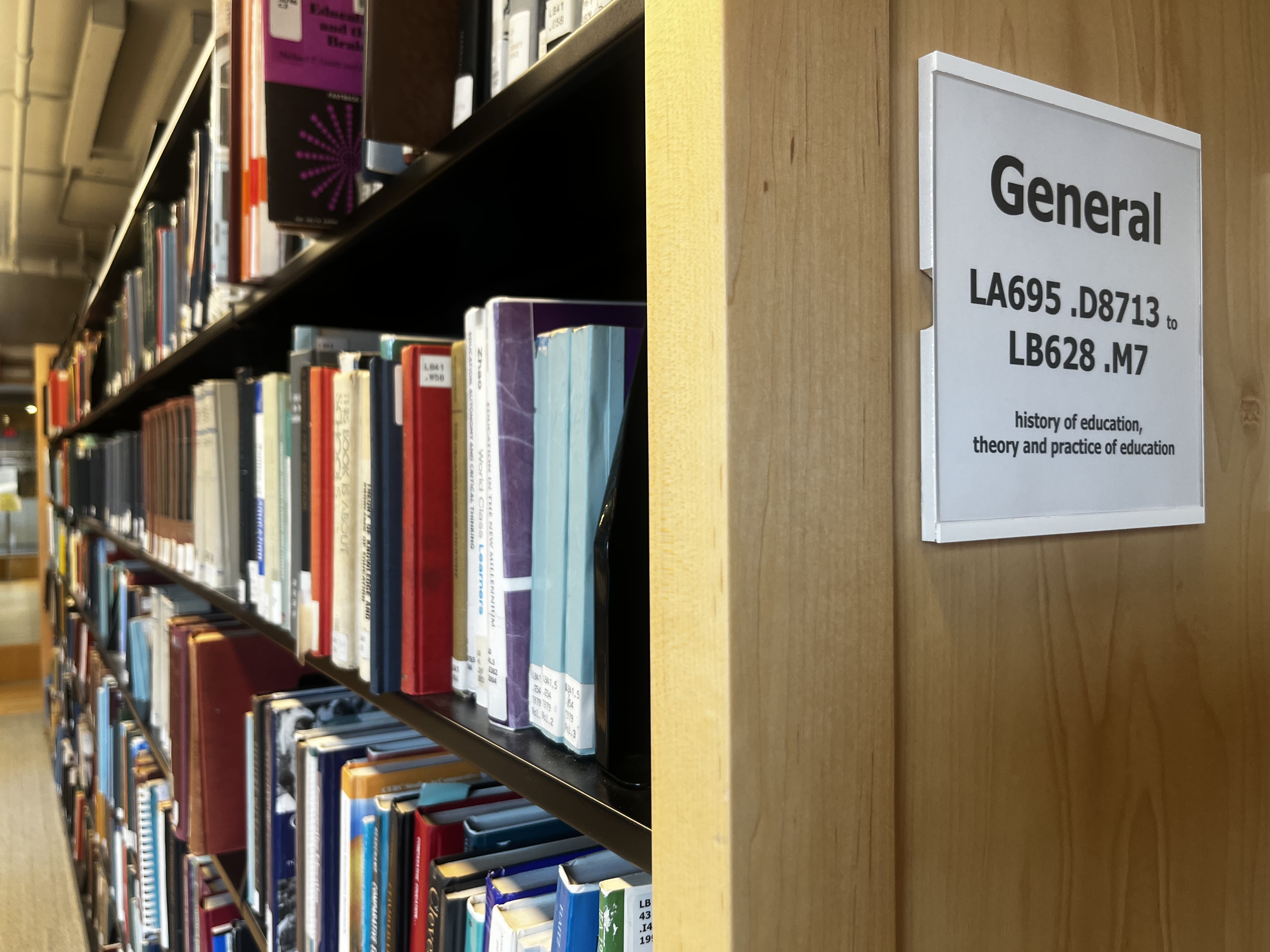
I’m formally trained as an academic, in philosophy, neuroscience, and psychology, but not explicitly as an educator. My experience with adult learning began in my 20s, thrown into the role of Teaching Assistant in graduate school. Wow – I’ve been teaching for almost 30 years! In the Gutman Library I was greeted by centuries of documentation of learning about how we learn, as well as the latest issues of education journals and a even children’s section.
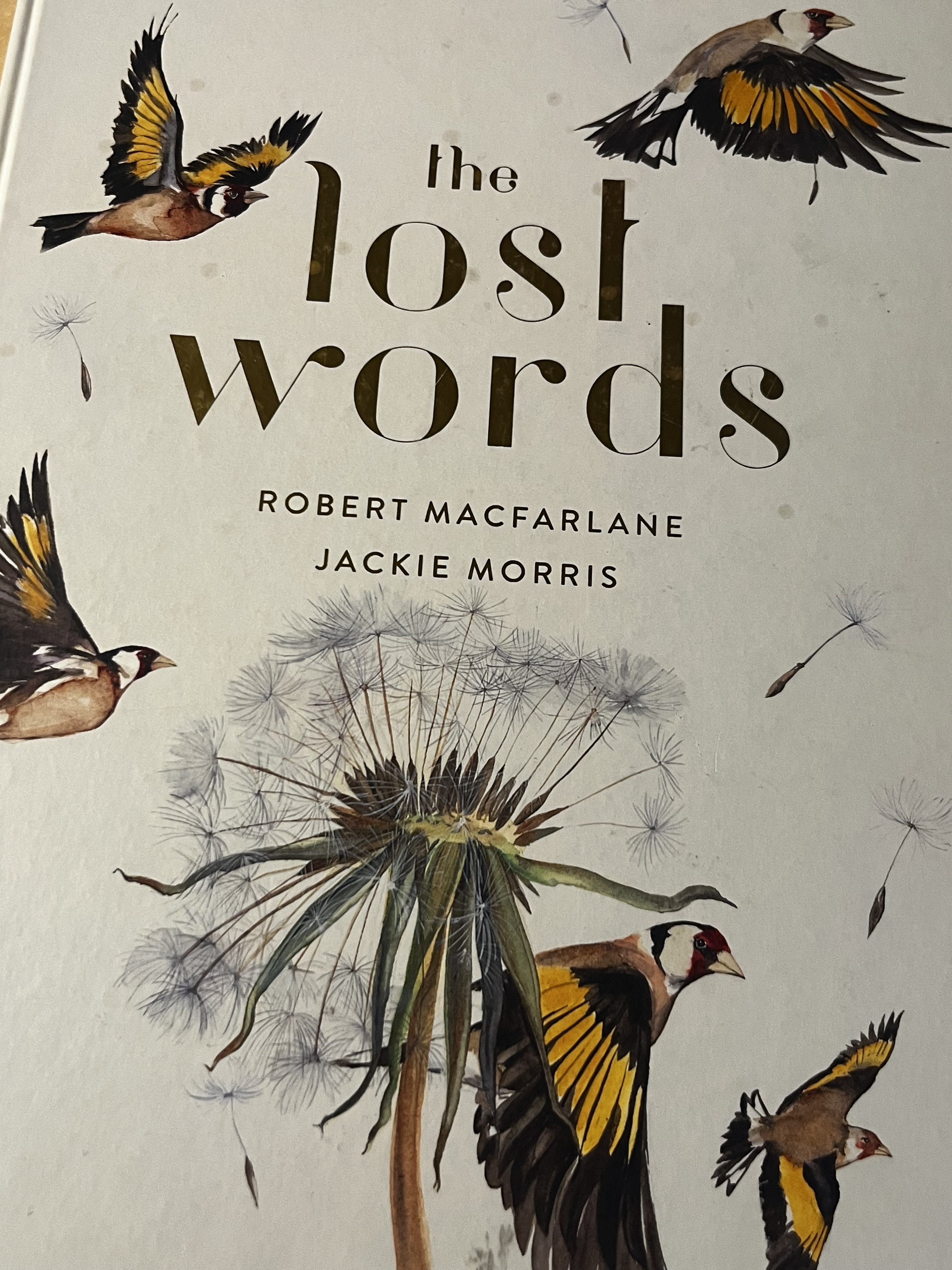
Scanning through the illustrated volumes, meant for the kiddos, my heart broke a little bit. At about 4th grade eye level, just inside the door, I found a book called Lost Words, by author Robert Macfarlane and author/artist Jackie Morris. It’s a beautiful collection of writing – considered ‘spells’ rather than poems because they are meant to be spoken or sung. Illustrations help readers rediscover the magic of the natural world.
What was this book? I examined each word, scanning the accompanying text and lingering over the stunning illustrations that captured small snippets of the outdoors, wildlife and nature. I’m shaken by the concept behind the book, published almost 10 years ago in response to impactful changes to how children use words. So, I’ll let the book be explained by Outdoor School Shop, whose motto is “We believe getting outside should be easy.”
“In 2007, when a new edition of the Oxford Junior Dictionary — widely used in schools around the world — was published, a sharp-eyed reader soon noticed that around forty common words concerning nature had been dropped. Apparently they were no longer being used enough by children to merit their place in the dictionary. The list of these “lost words” included acorn, adder, bluebell, dandelion, fern, heron, kingfisher, newt, otter, and willow. Among the words taking their place were attachment, blog, broadband, bullet-point, cut-and-paste, and voice-mail. The news of these substitutions — the outdoor and natural being displaced by the indoor and virtual — became seen by many as a powerful sign of the growing gulf between childhood and the natural world.
Ten years later, Robert Macfarlane and Jackie Morris set out to make a “spell book” that will conjure back twenty of these lost words, and the beings they name, from acorn to wren. By the magic of word and paint, they sought to summon these words again into the voices, stories, and dreams of children and adults alike, and to celebrate the wonder and importance of everyday nature. The Lost Words is that book — a work that has already cast its extraordinary spell on hundreds of thousands of people and begun a grass-roots movement to re-wild childhood across Britain, Europe, and North America.” (Outdoor School Shop)
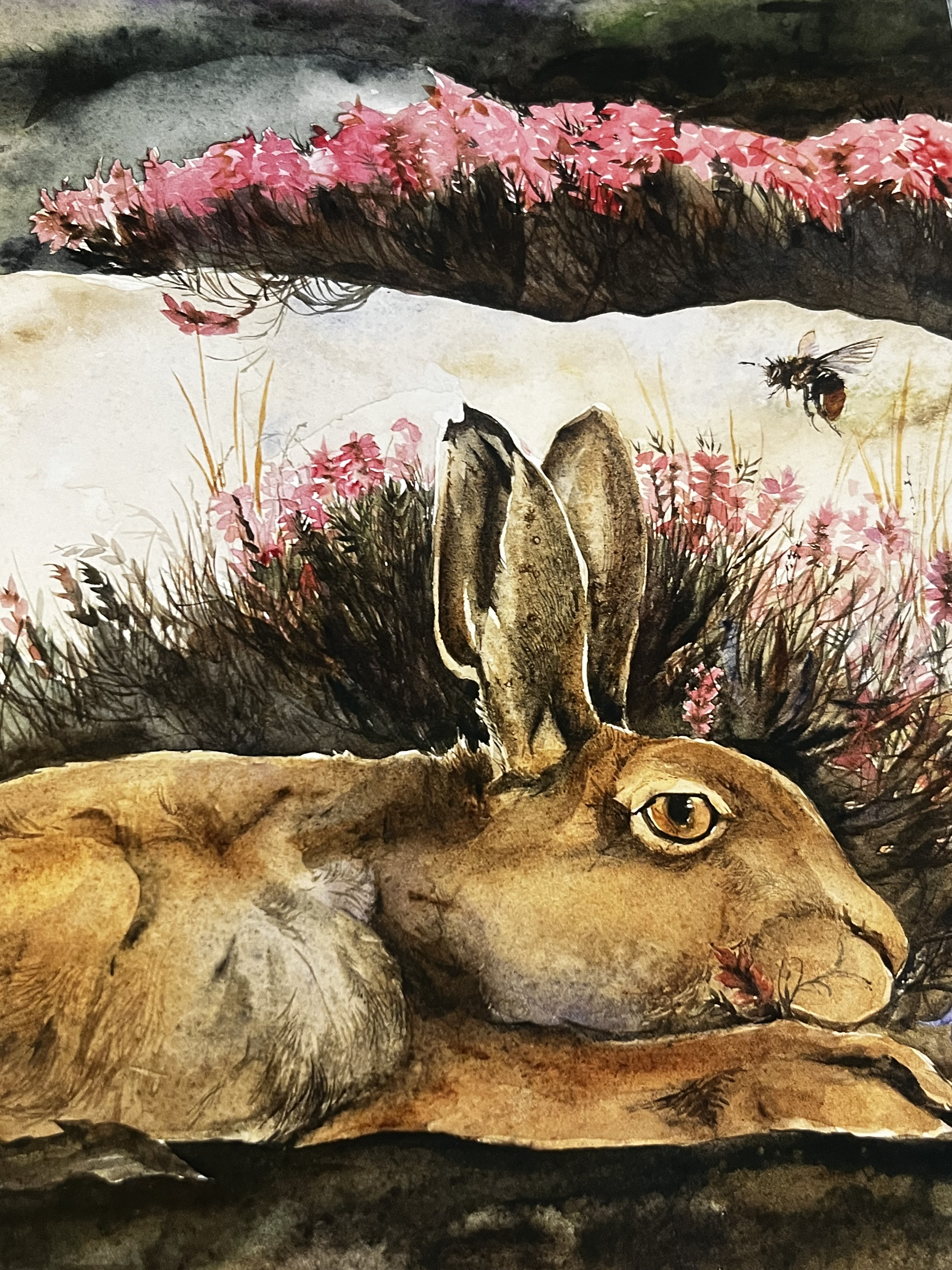
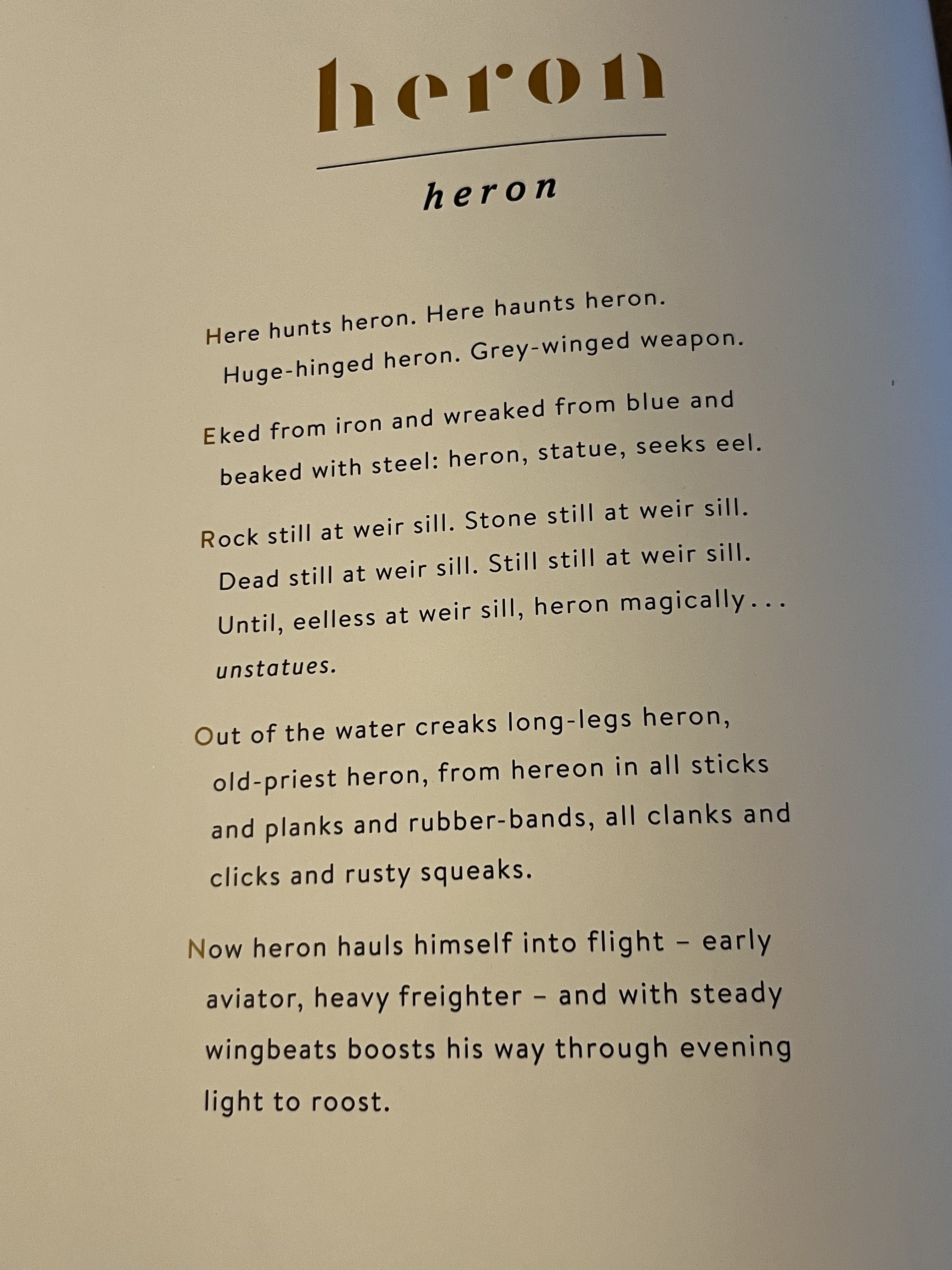
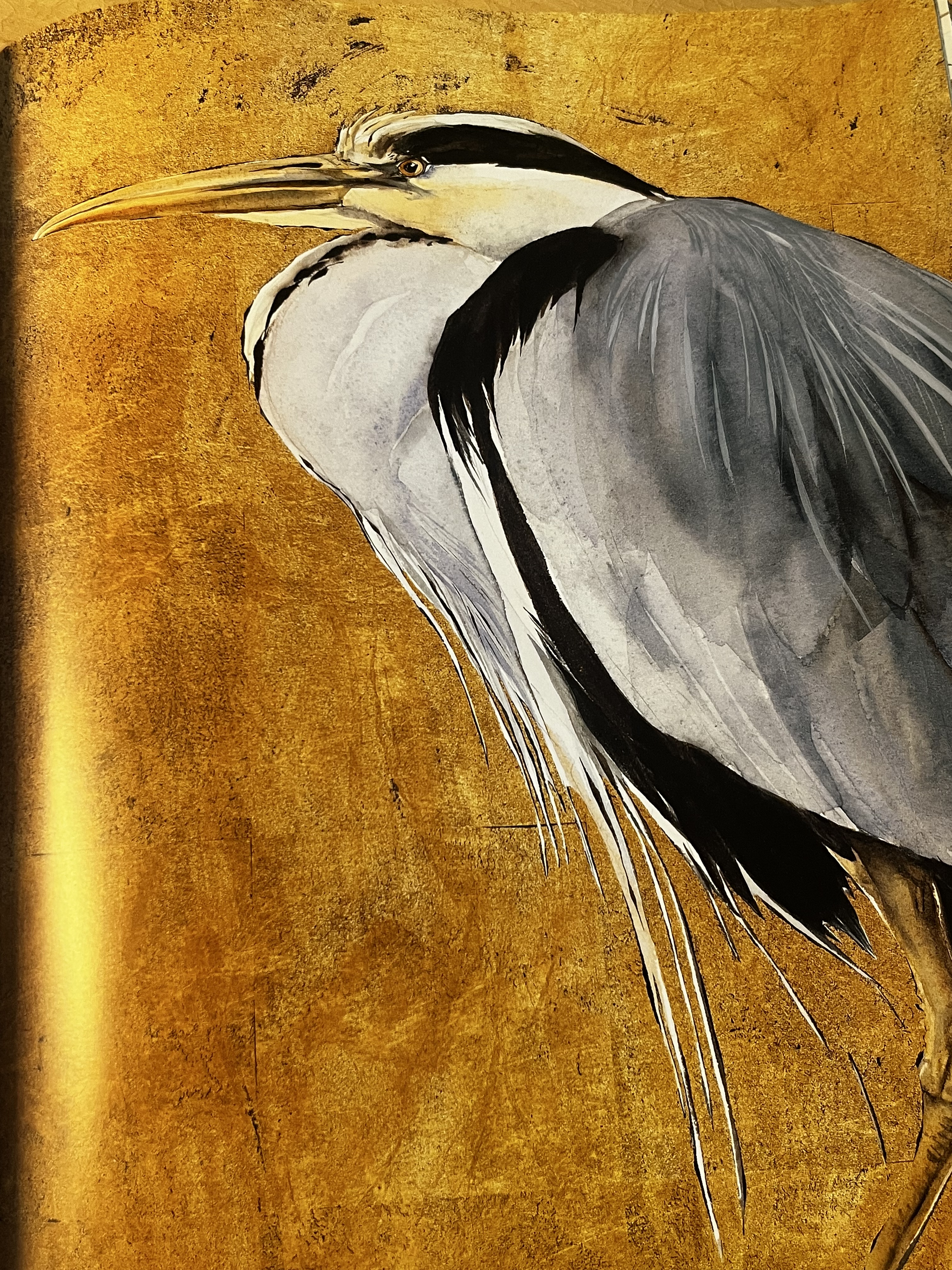
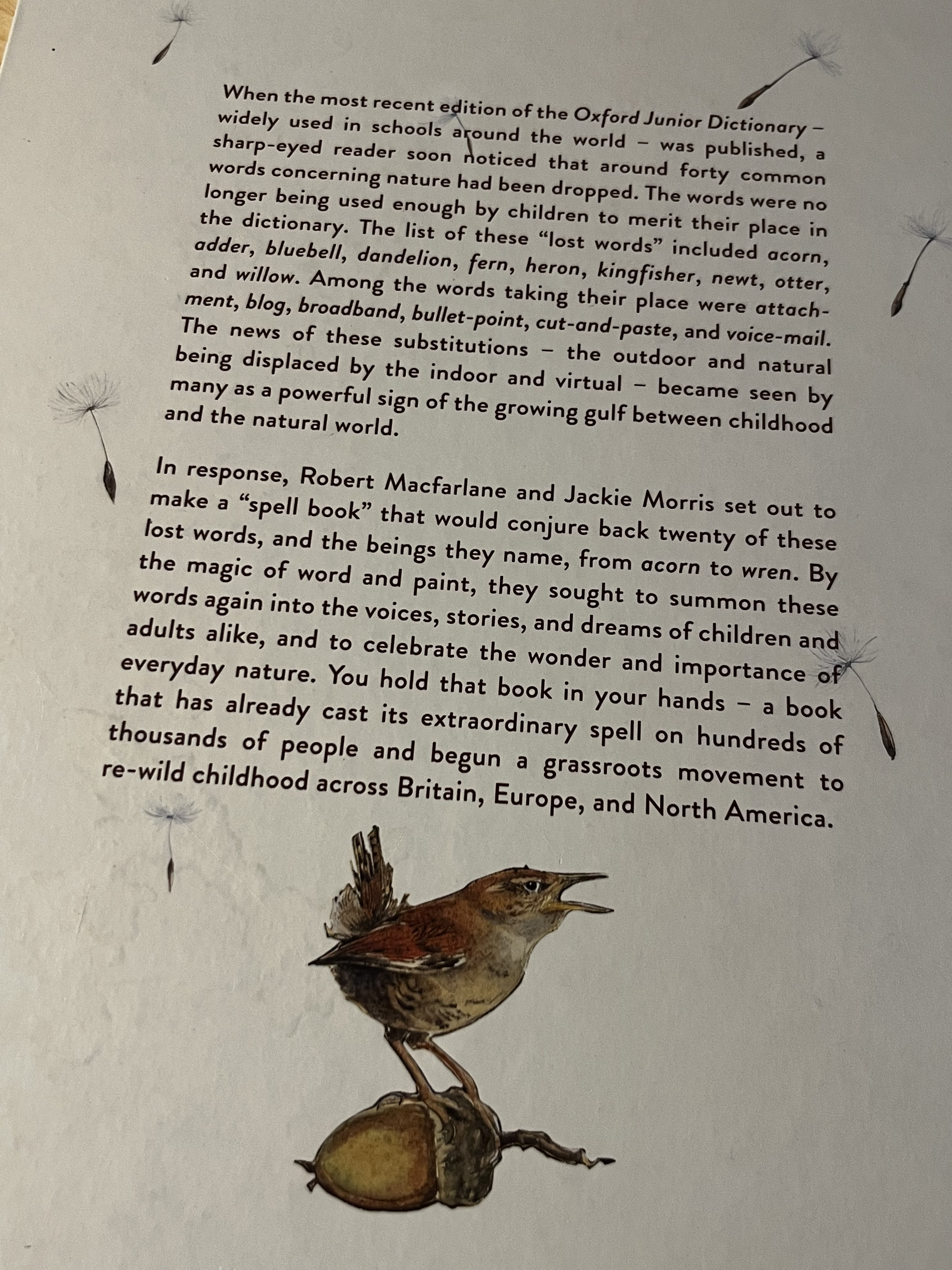
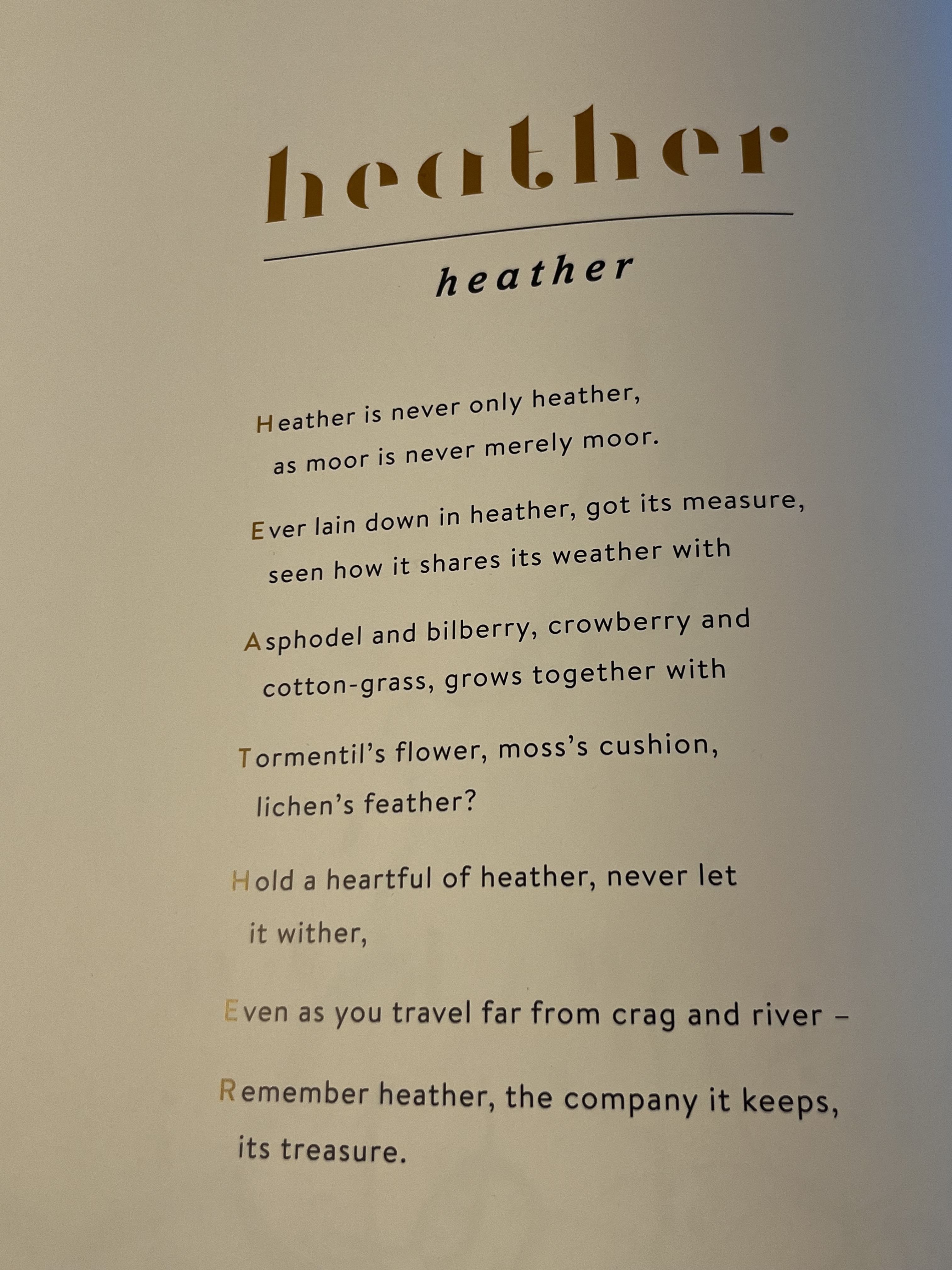
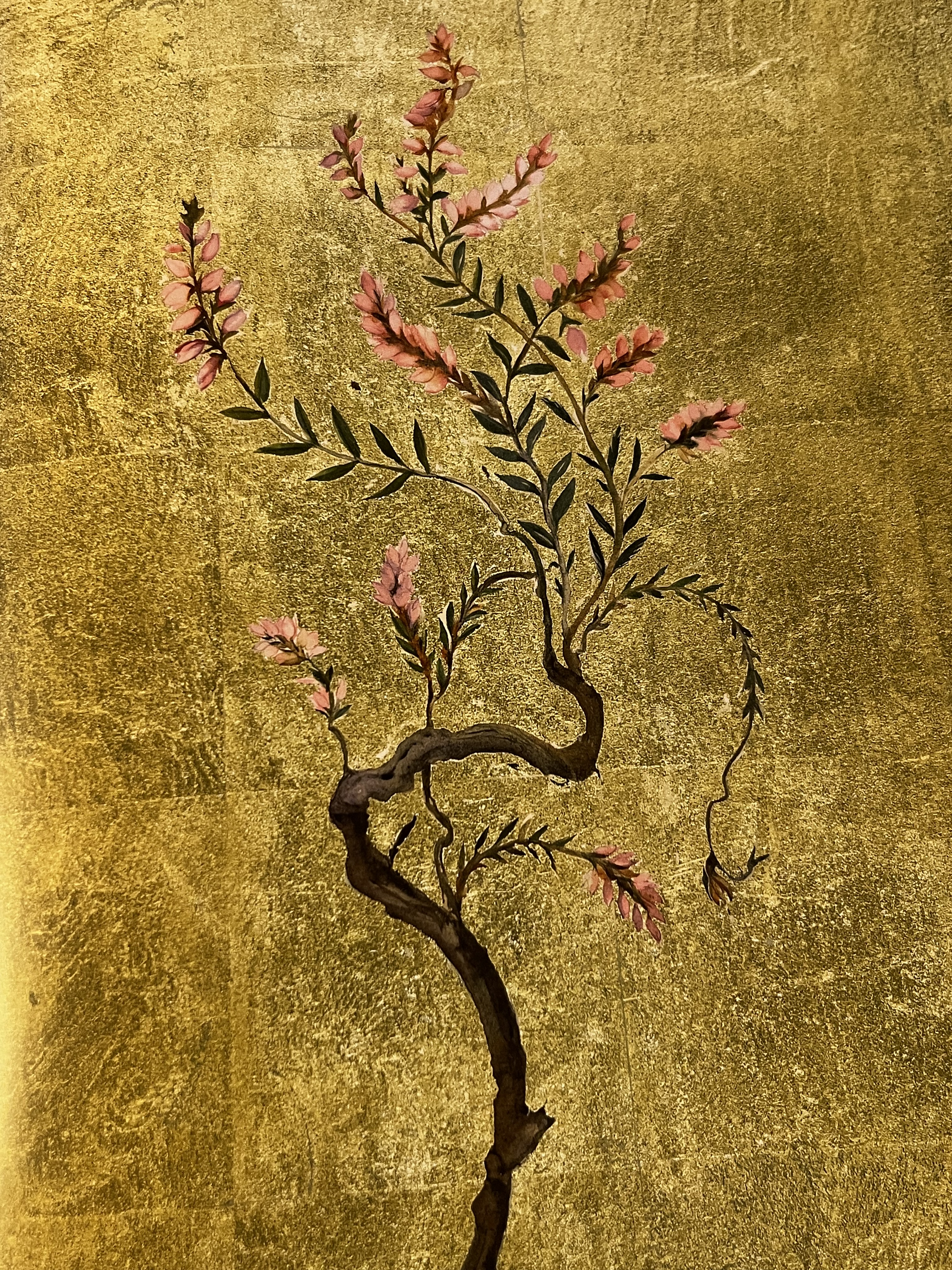
The need for a book like this makes me a little sad. The book itself is artfully created and written with such a love of nature in mind that I feel the author and illustrator are kindred spirits. In that sense, I’m uplifted by their effort to keep us grounded and connected to nature. It’s a luxury to be out amongst the trees, to dip your toes into a stream, to admire backyard wildlife, and to nurture a plant until it flowers then bears fruit. It’s a luxury I hope to forever be able to indulge in.
Okay, I’ll ease us out of this simultaneously heavy and uplifting topic by introducing you to a Cambridge bookstore devoted to romance!
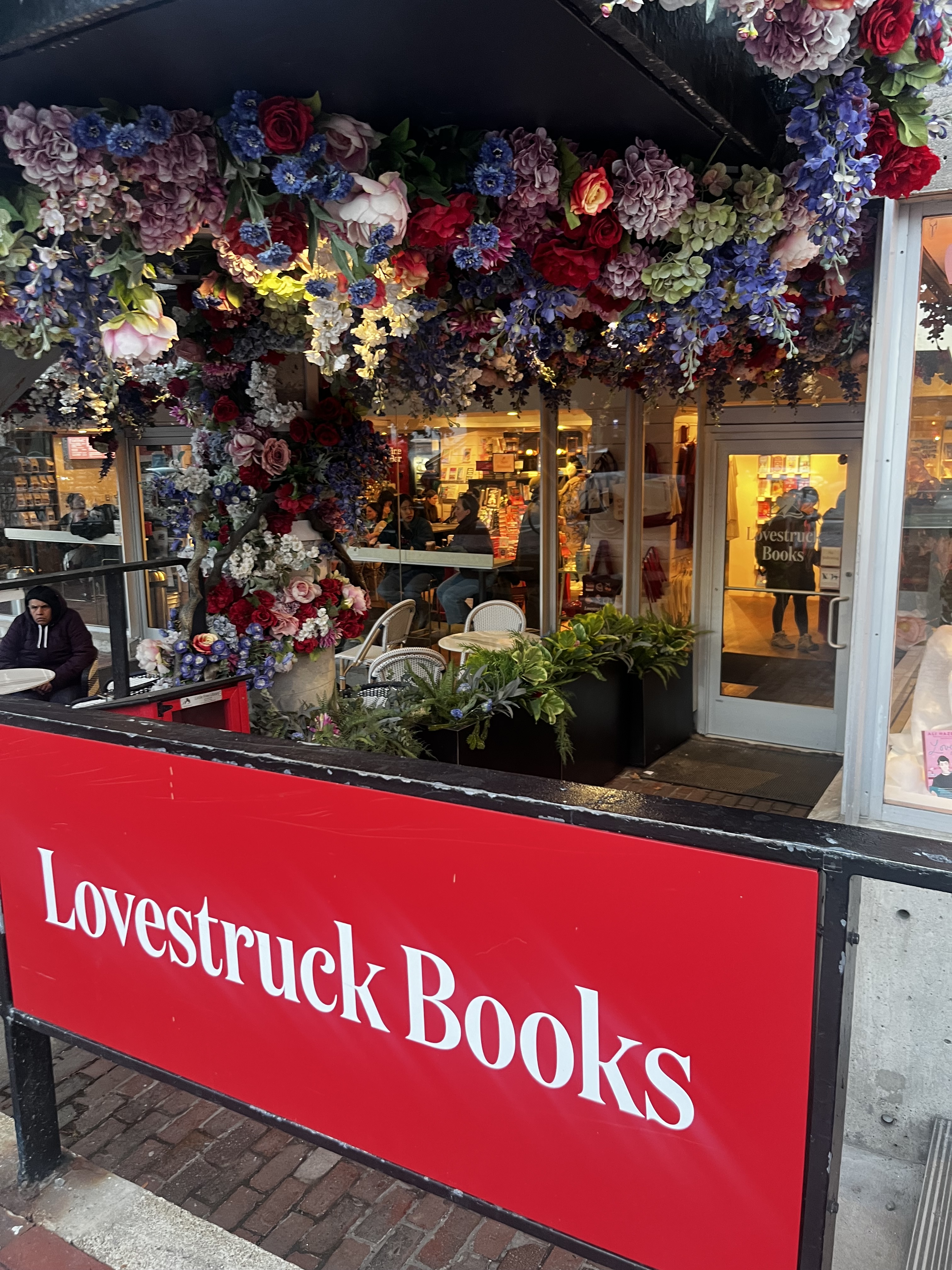
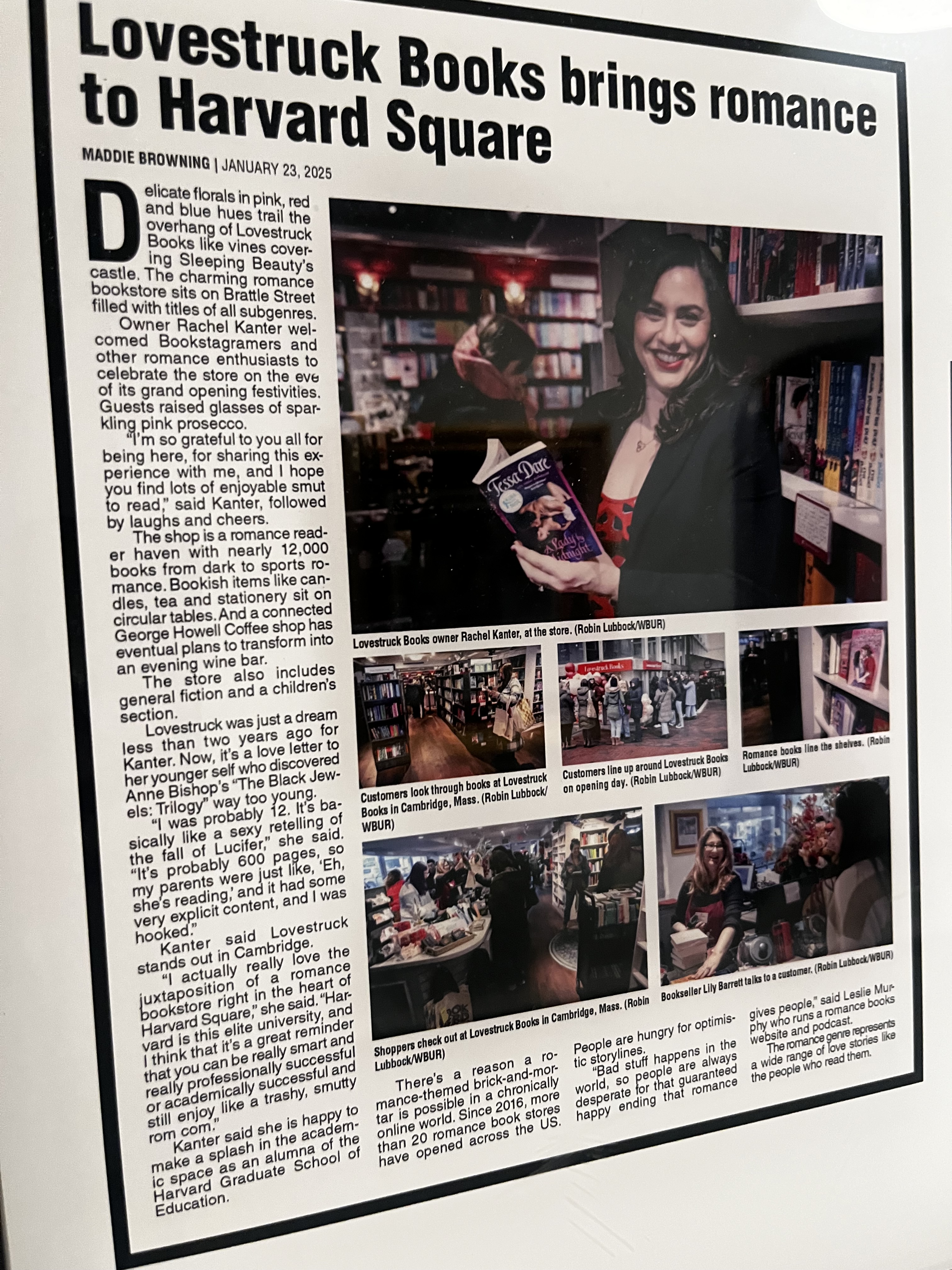
Welcome to Lovestruck Books & Café
The exterior of the bookstore, blanketed in a canopy of colorful artificial flowers and with café tables out front, caught my eye the first time I walked past. I was headed to my workshop, so there was no time to stop, but I was determined to get there.
Over lunch the next day, I visited the bookstore’s coffee counter to indulge in a mid-day decaf espresso mocha. Black coffee and a selection of teas were available back at the conference center. So, if I was going to visit this bookstore, I was going to treat myself to something a bit more indulgent – a bit more romantic. My colleague and I were swept away by our conversation and there was no time to peruse the books. Still determined, I returned later that evening to discover how an entire bookstore could be devoted to romance.
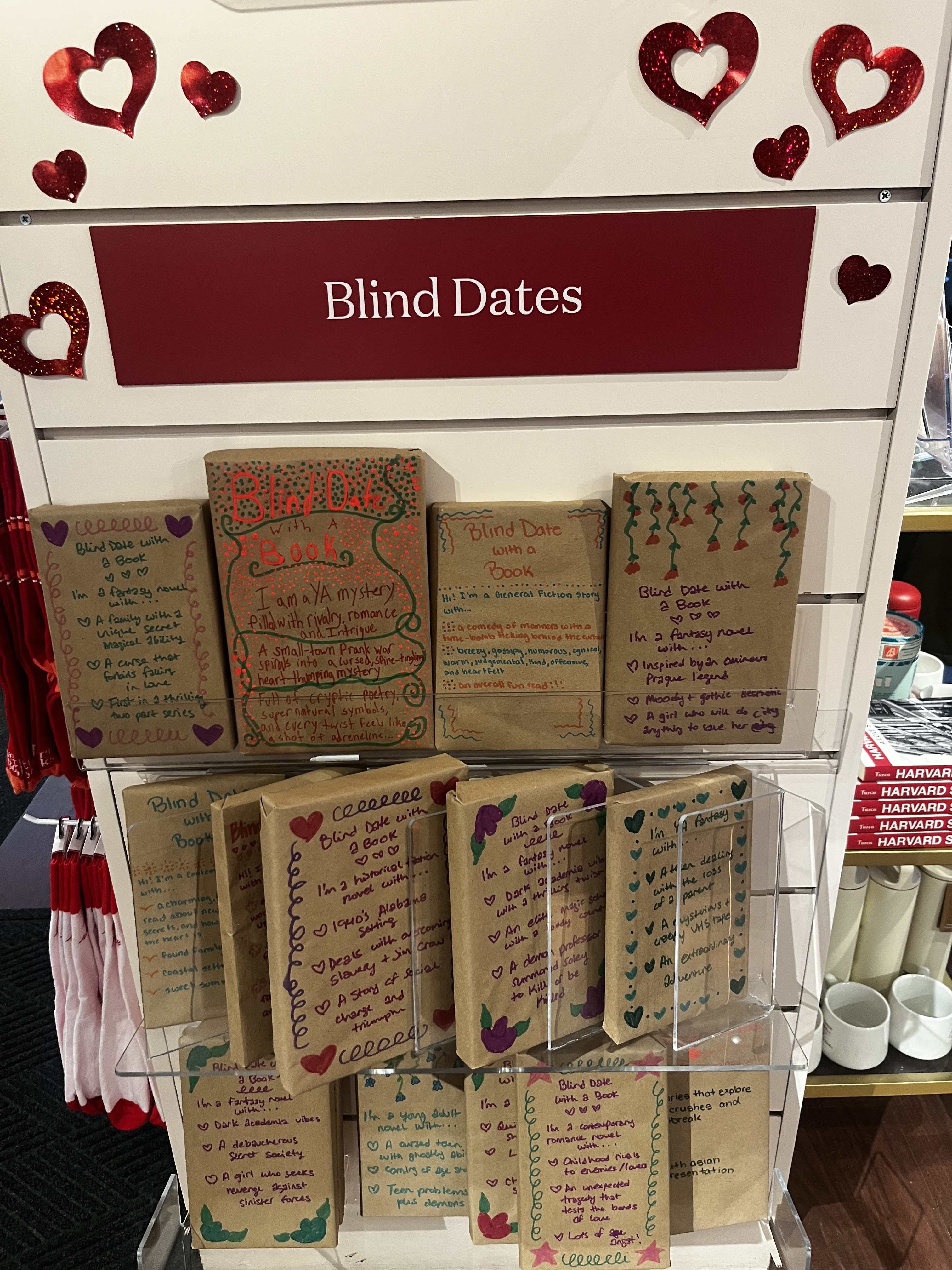
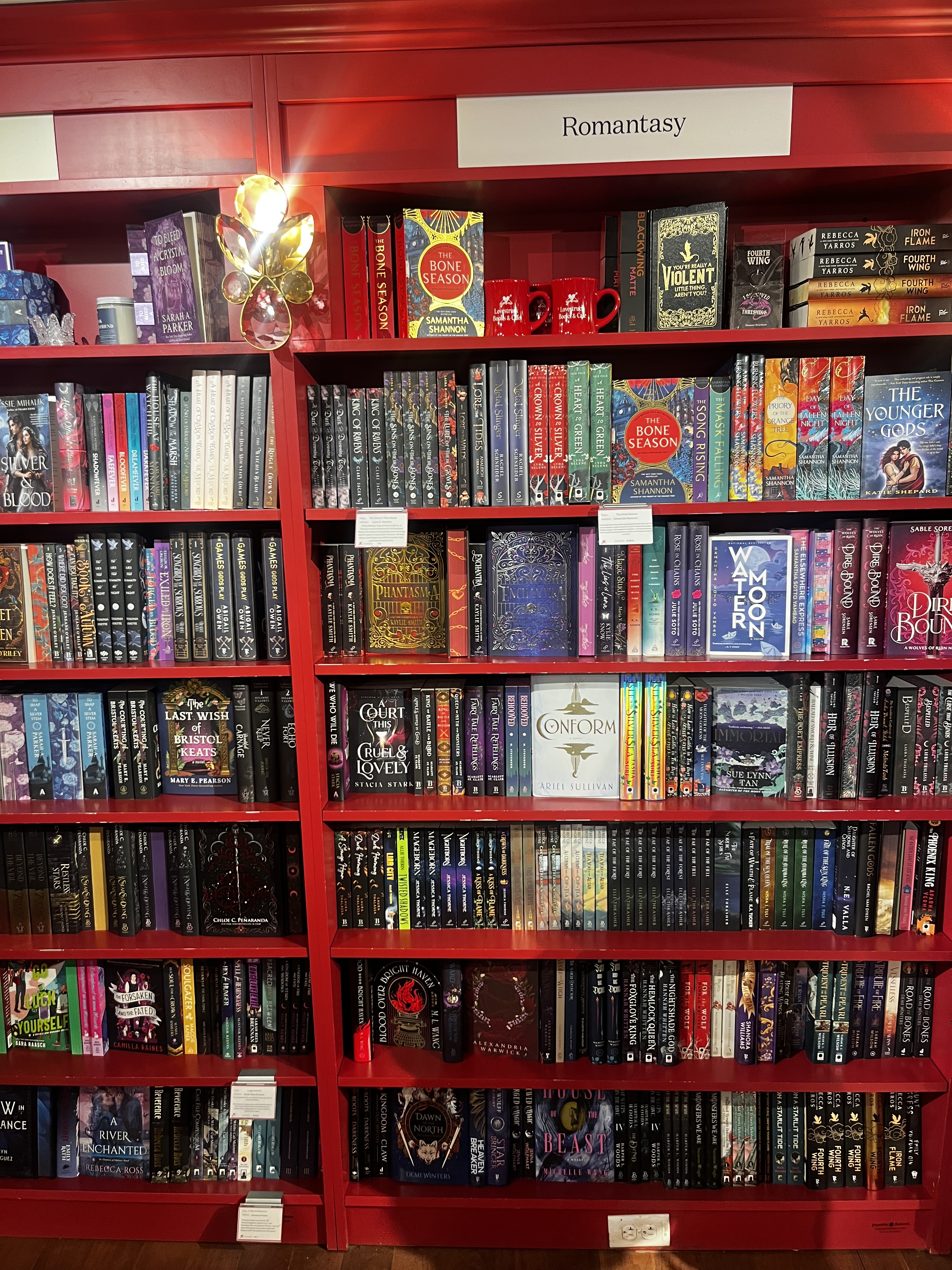
What is romance, anyway? As I wandered the aisles, I saw classical and contemporary romance novels. There was dark romance, romantacy, and historical romantic fiction. The theme stretched further, including non-fiction books about the love of a city, a celebrity, or an institution.
“Welcome to Lovestruck Books & Cafe — Cambridge’s one-of-a-kind romance destination, where every reader belongs and every love story matters. We’re more than a bookstore. We’re a love letter to the genre — a space where passion, pleasure, and community thrive.” (Lovestruck Books website)
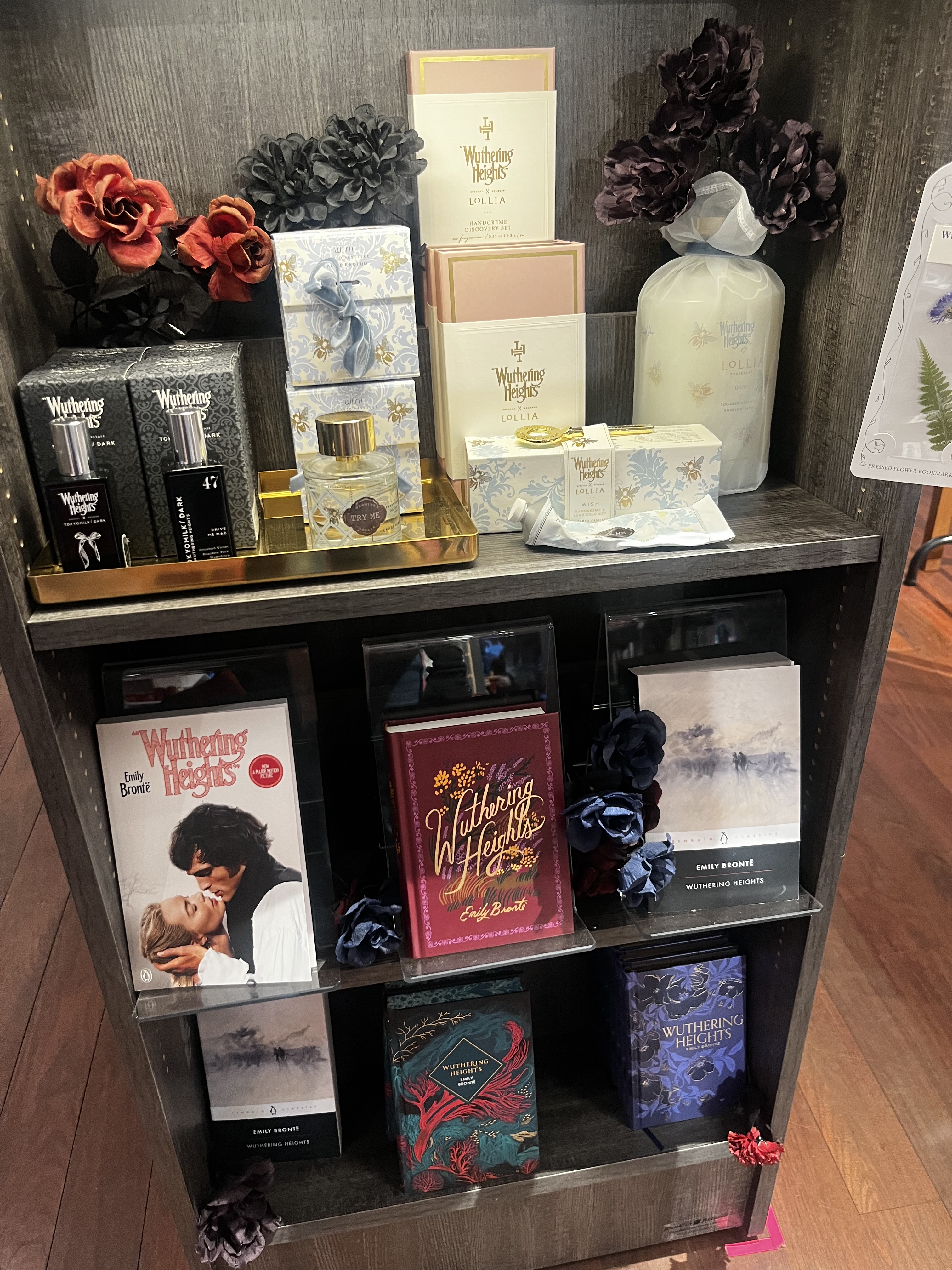
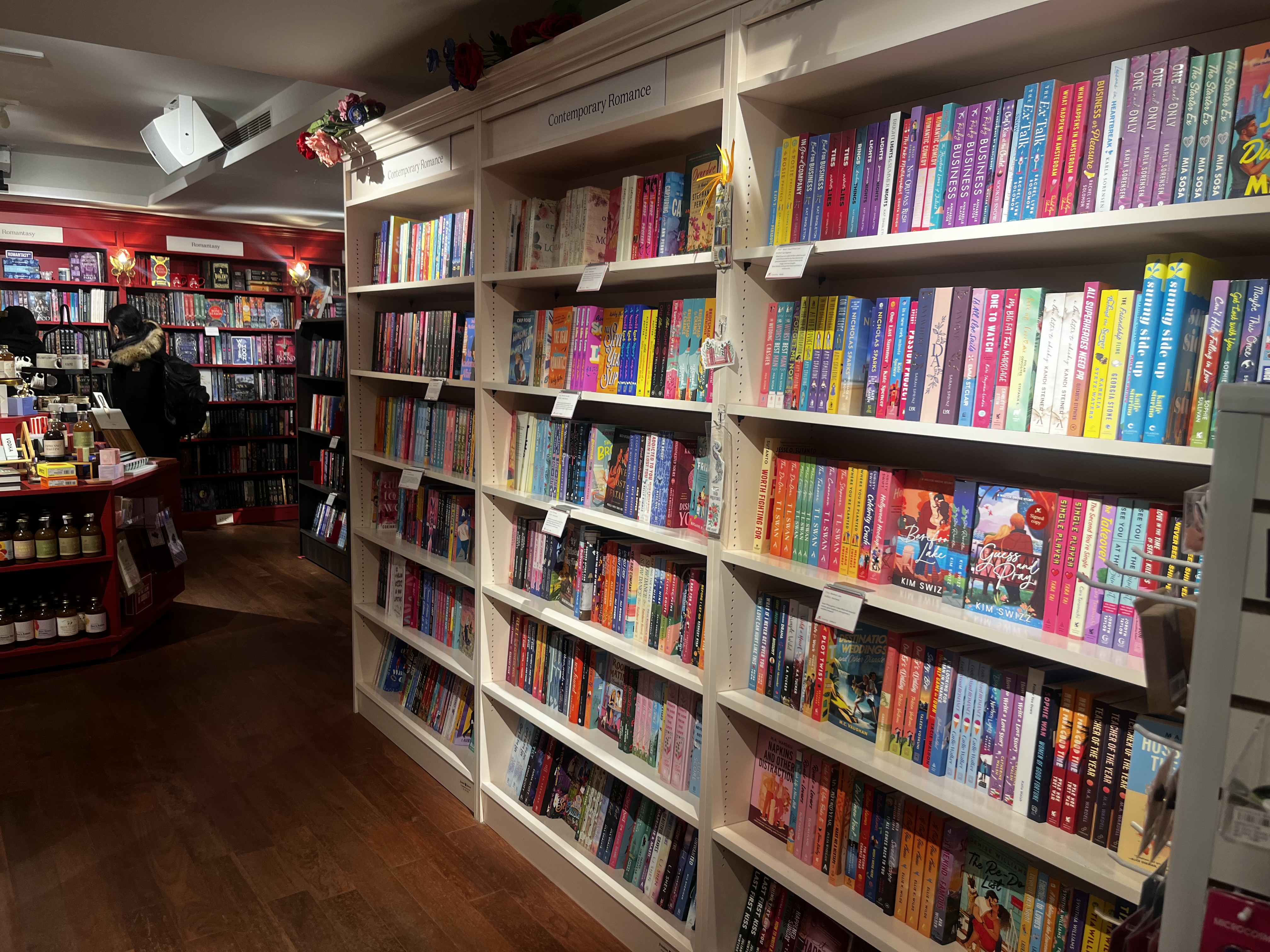
In the evening, to my right, glasses of white wine and a charcutier board created a space for sorority sisters to catch up, after years apart, and make elaborate plans for a new adventure. On my left, I watched two students study diligently for an hour or so, then reward themselves with a few chapters of their romance novels, relaxing with their feet up on the bench beside them.
A young couple held hands, laughing together. They leaned into one another, stole a kiss, then returned to pointing out their favorite authors. The shop claims to have something for everyone.
“From slow burns to second chances, self-love to star-crossed soulmates, our collection spans every trope and subgenre — inclusive, diverse, and always swoon-worthy. Whether you’re craving a classic comfort read or a bold new voice, our expert team is here to help you find the story that speaks to your heart.”
Okay, break is over. Onward, to the Harvard University Book Store!
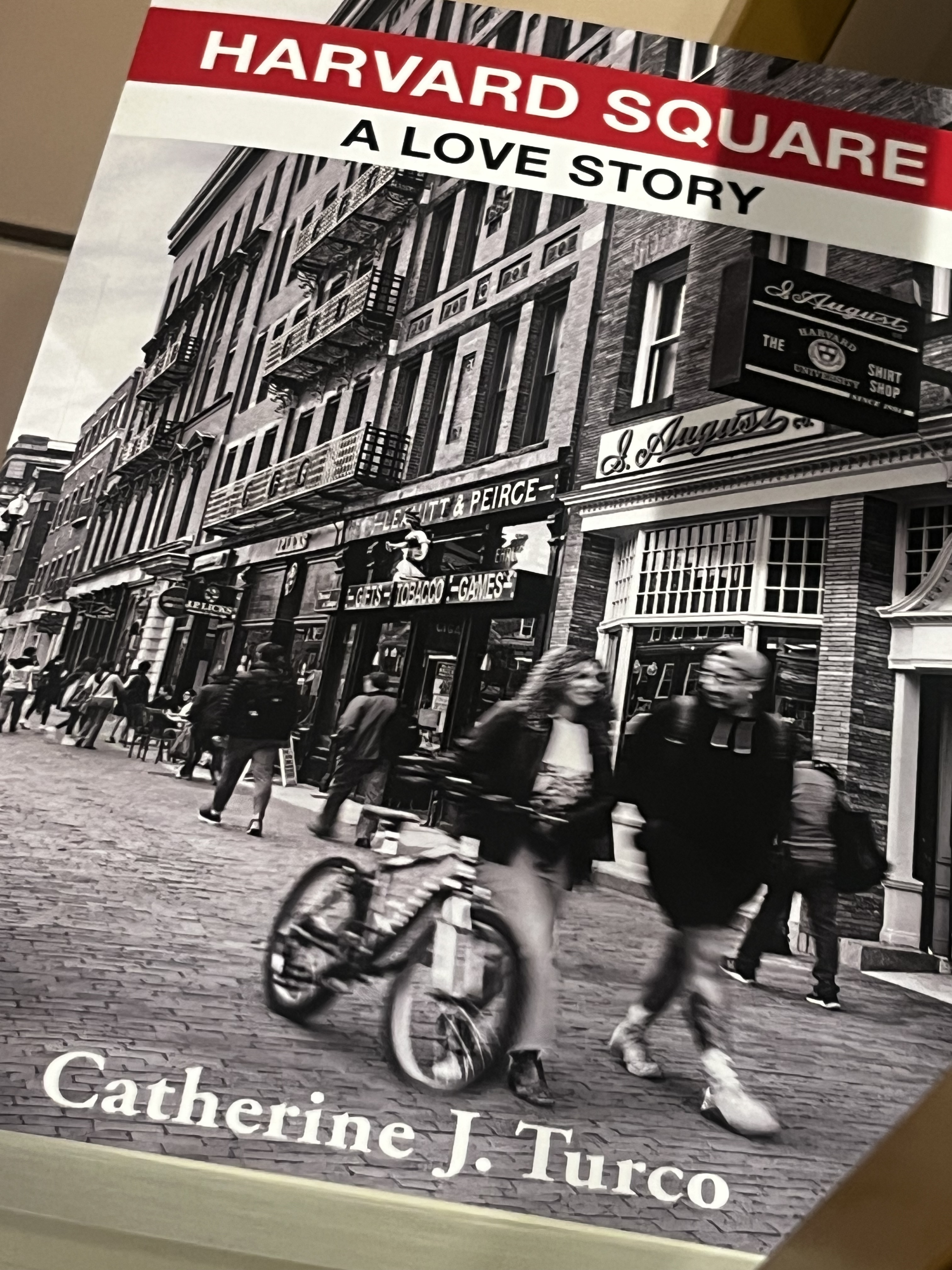
COOP – the Harvard University Book Store
Undeterred in my search, Google Maps helped me find the official university bookstore, a multi-level repository of what seemed like 50% books and 50% university branded merchandise. It is called COOP. I wandered around a bit, eventually getting the lay of the land and wondering – where are the textbooks? Do kids use textbooks anymore?
“Founded by a group of Harvard students, the COOP was created to make textbooks more affordable and learning more accessible. These values of inclusivity and fairness remain core to the COOP today. We reinvest in our communities through several initiatives, maintaining the cooperative spirit that has defined us for more than 140 years.” (COOP website)
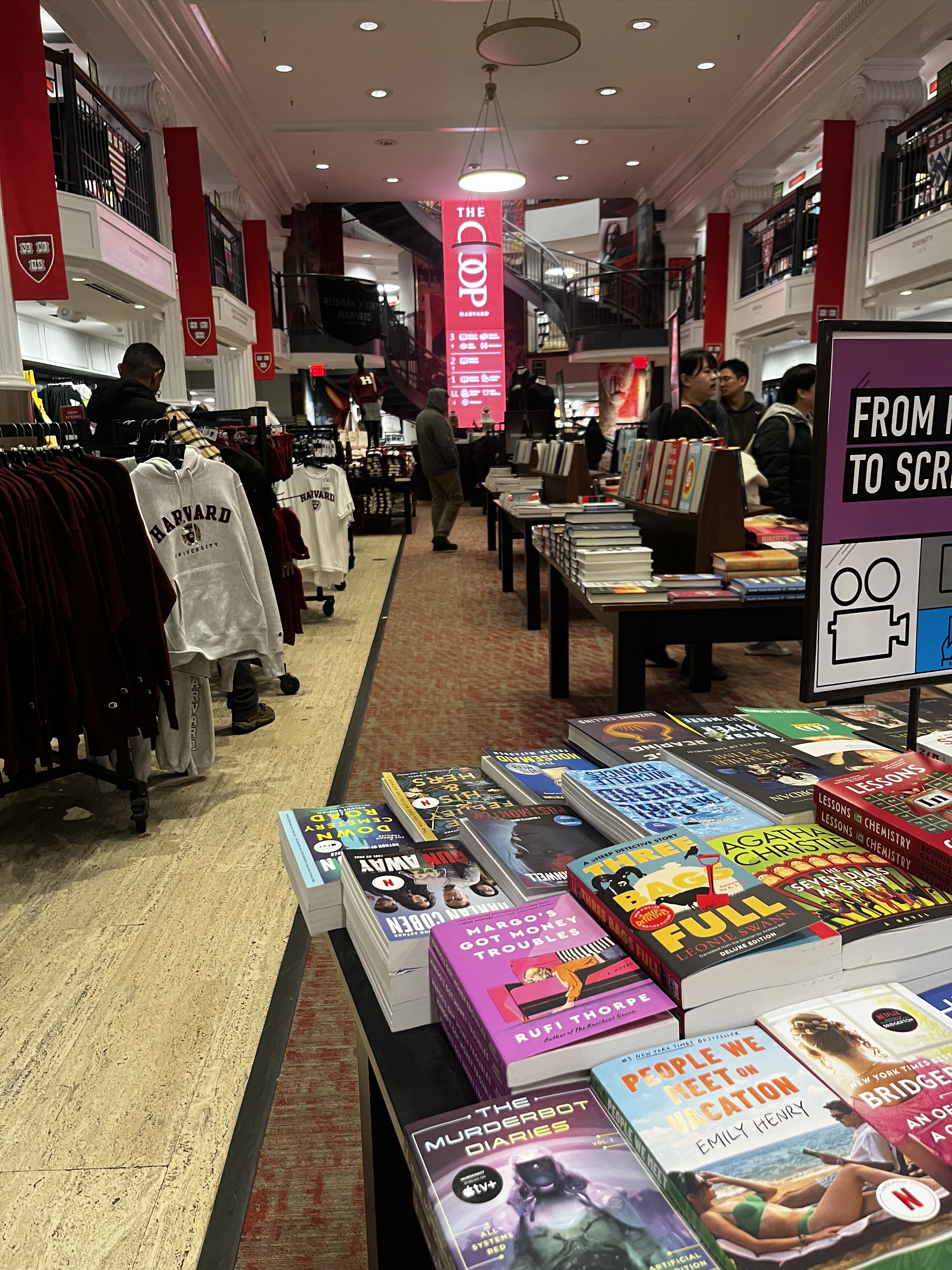
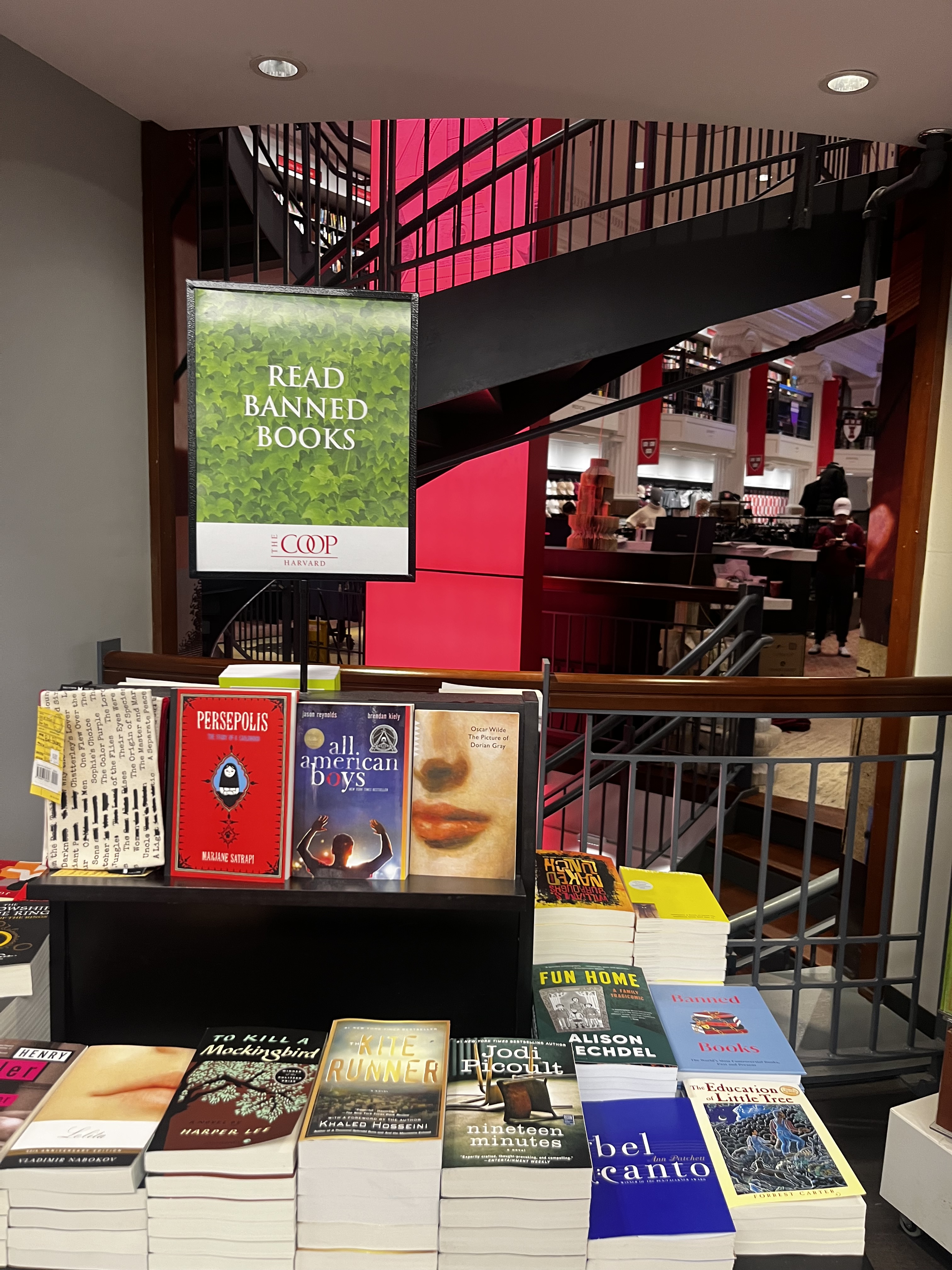
So, where were the textbooks? It turns out they had been moved to a new location, apart from the rest of this establishment. When I made my way to the nearby address, I discovered that it was closed for inventory. Okay! I suppose I was not meant to check out what’s in stock for Psychology 101 or Introduction to Ethics, in the year2026. March does seem like a good time to take inventory, being solidly between semesters. So, I’ll just need to visit Boston again, to accomplish those goals.
“The COOP is an entirely independent cooperative, governed by a real corporate Board of Directors which is made up of 50% students and 50% faculty and alumni. Together, they work to keep the spirit of collaboration between the institution alive, with student directors helping to shape its future each year.” (COOP website)
There isn’t much more I have to say about COOP – I suppose it didn’t live up to my unrelenting expectations, my childhood notions of university bookstores, or all the buildup of getting there. But consider all the other amazing books and bookstores I found en route! (To be fair, it’s possible that taking an unexpected 30-minute work call while I was there, requiring me to be stationary for the conversation, made my experience a bit tarnished.) With that said, Harvard Book Store, my first stop, was possibly my favorite. They had some really great books about cats, after all!
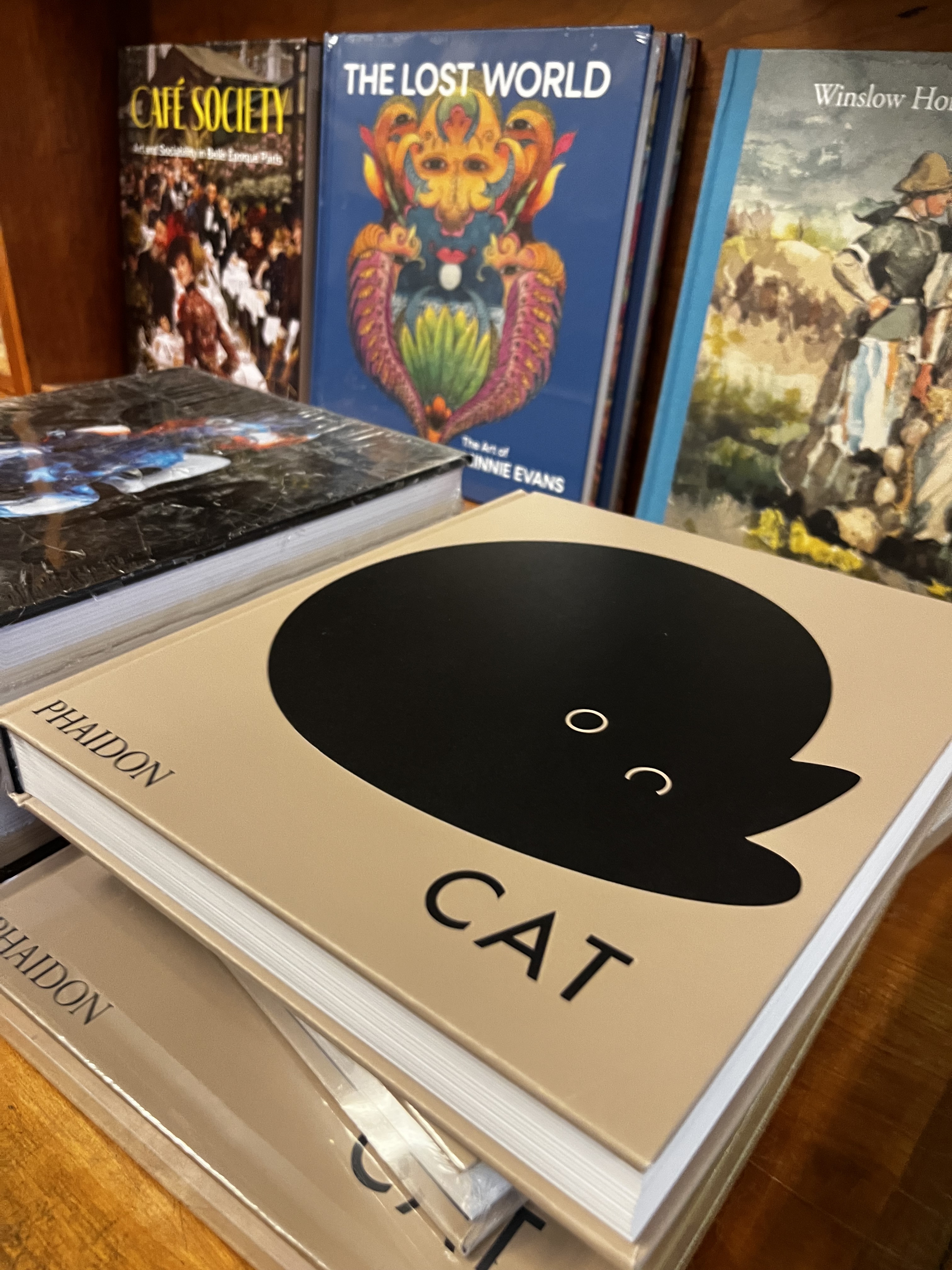
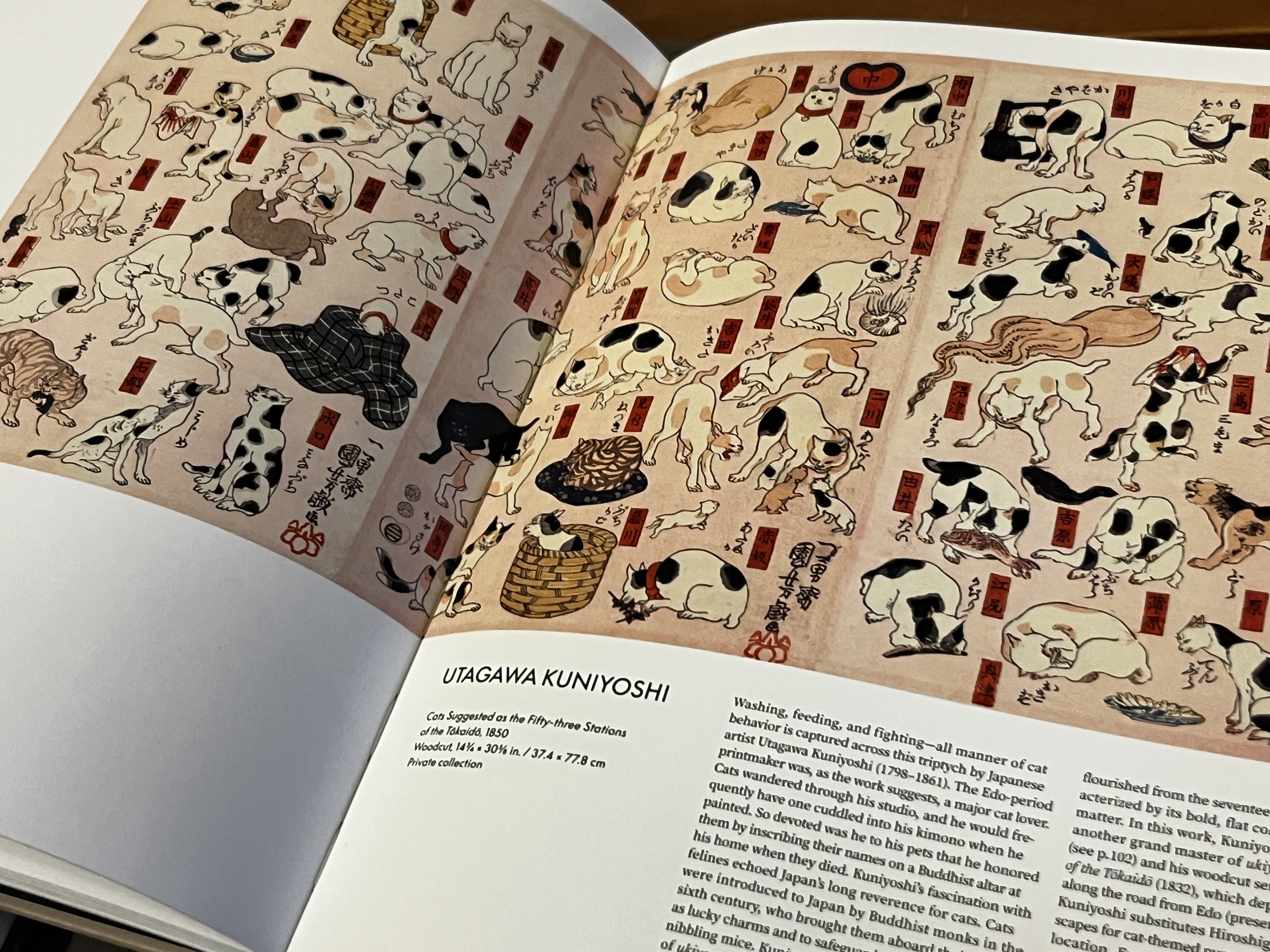
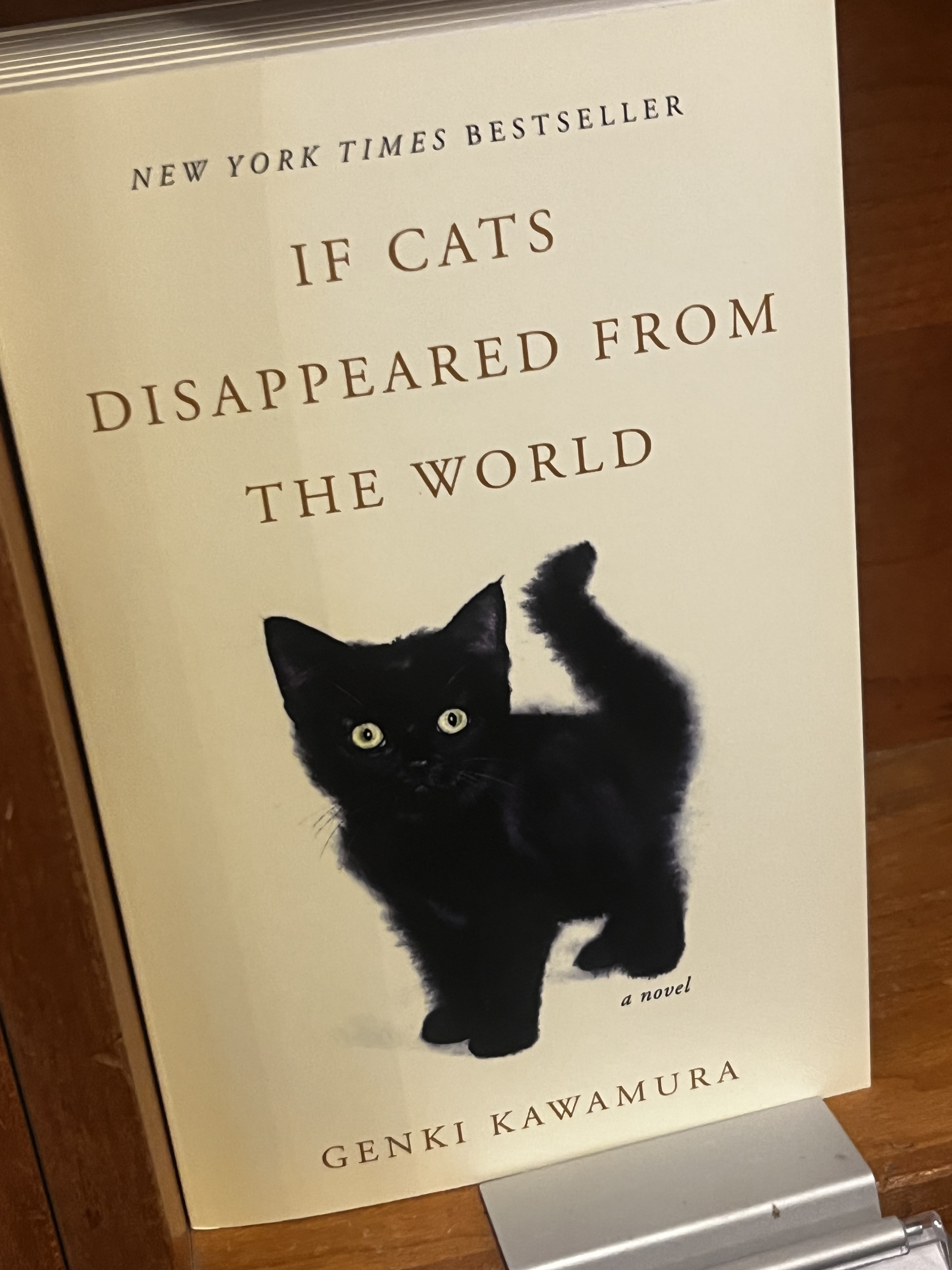
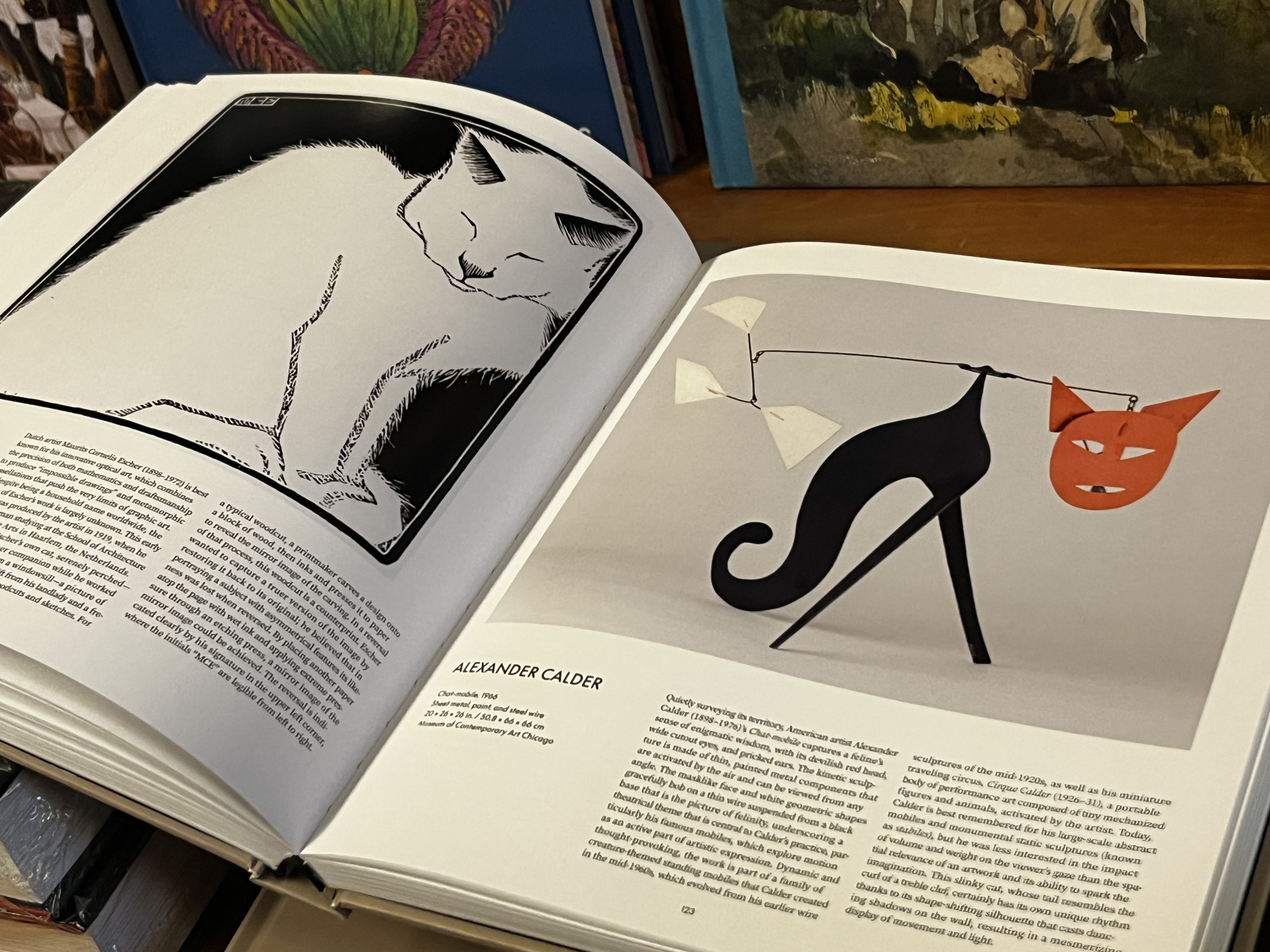
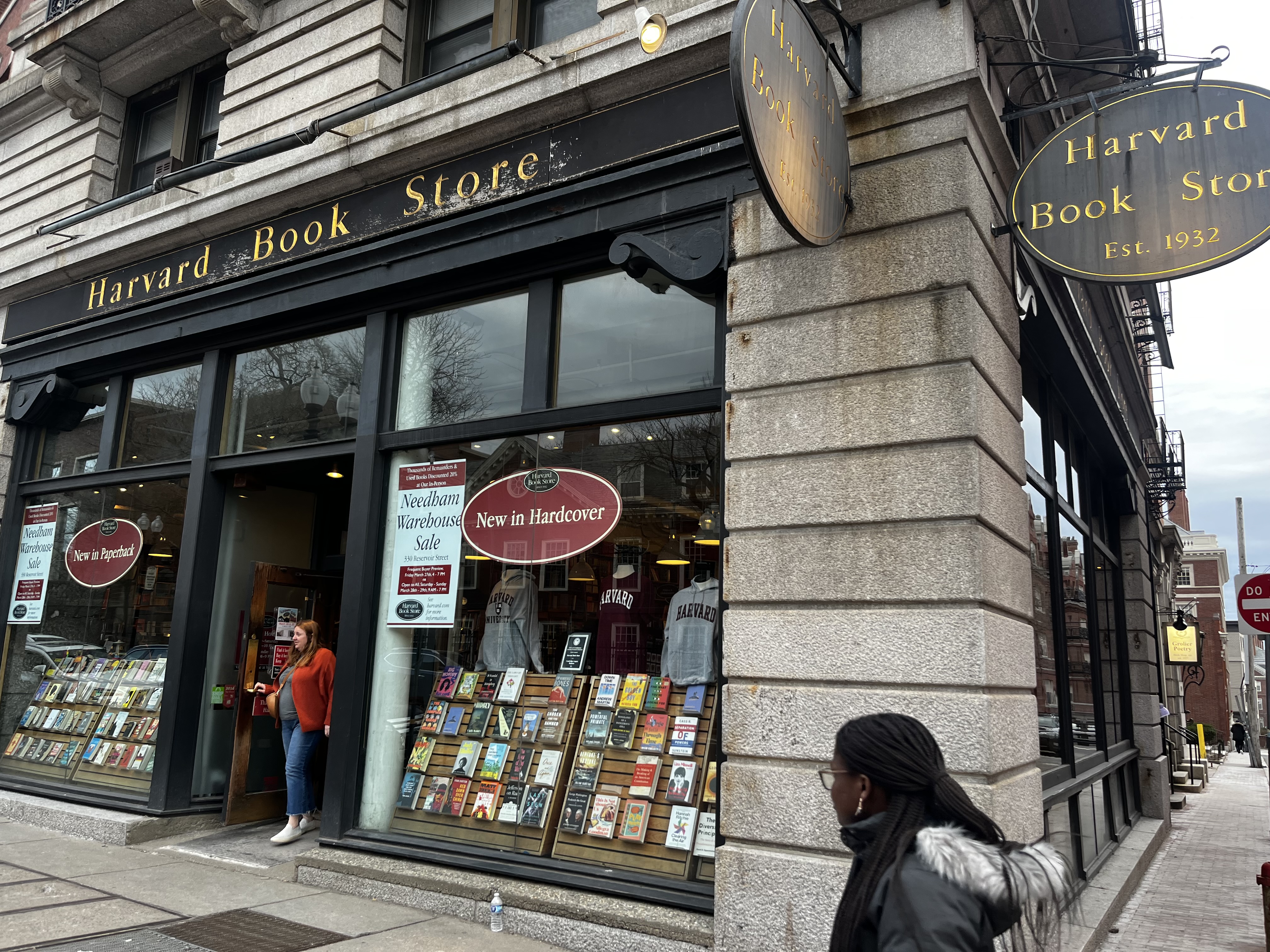
An Artistic ‘Side Quest’ with More Books
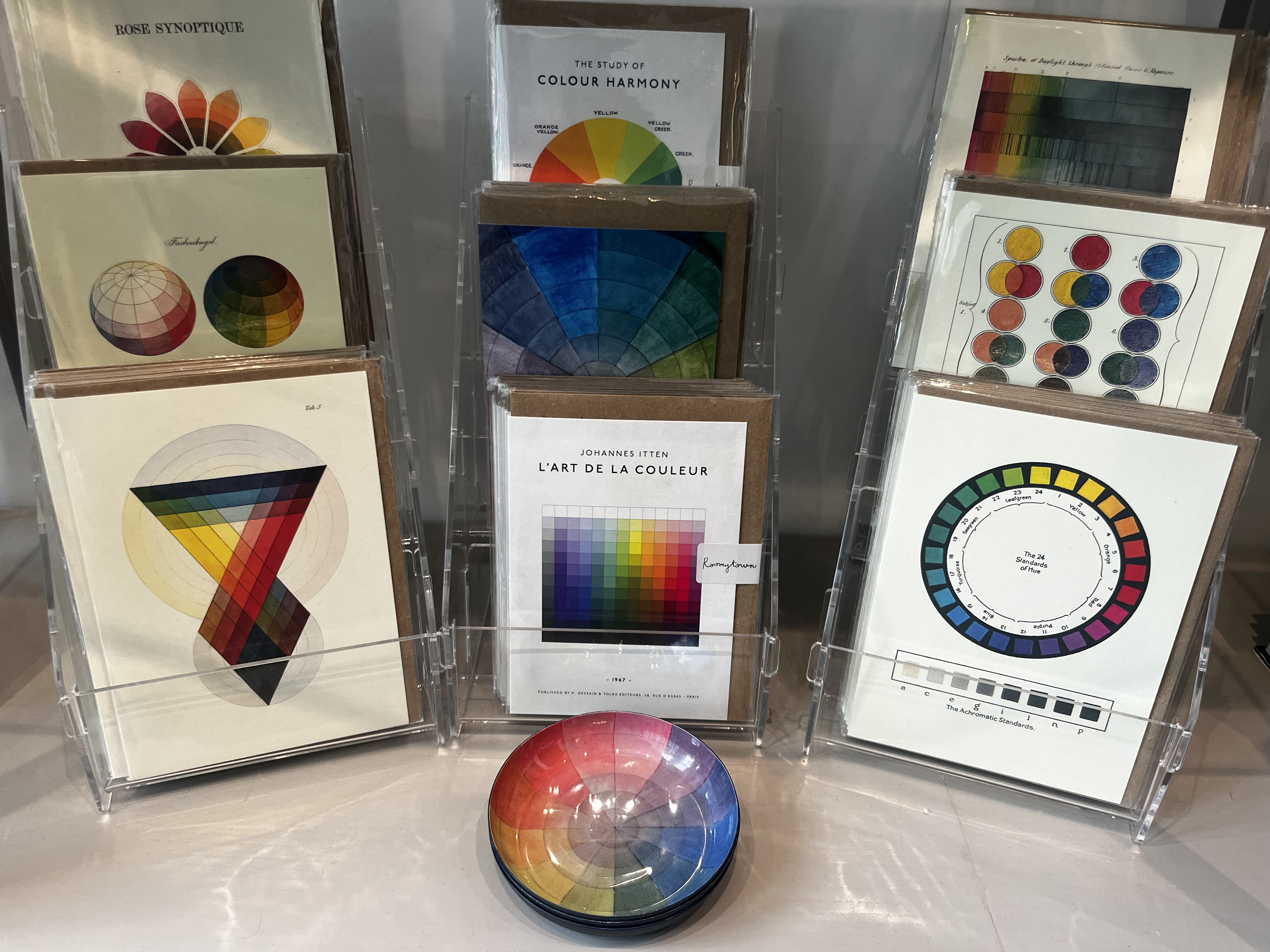
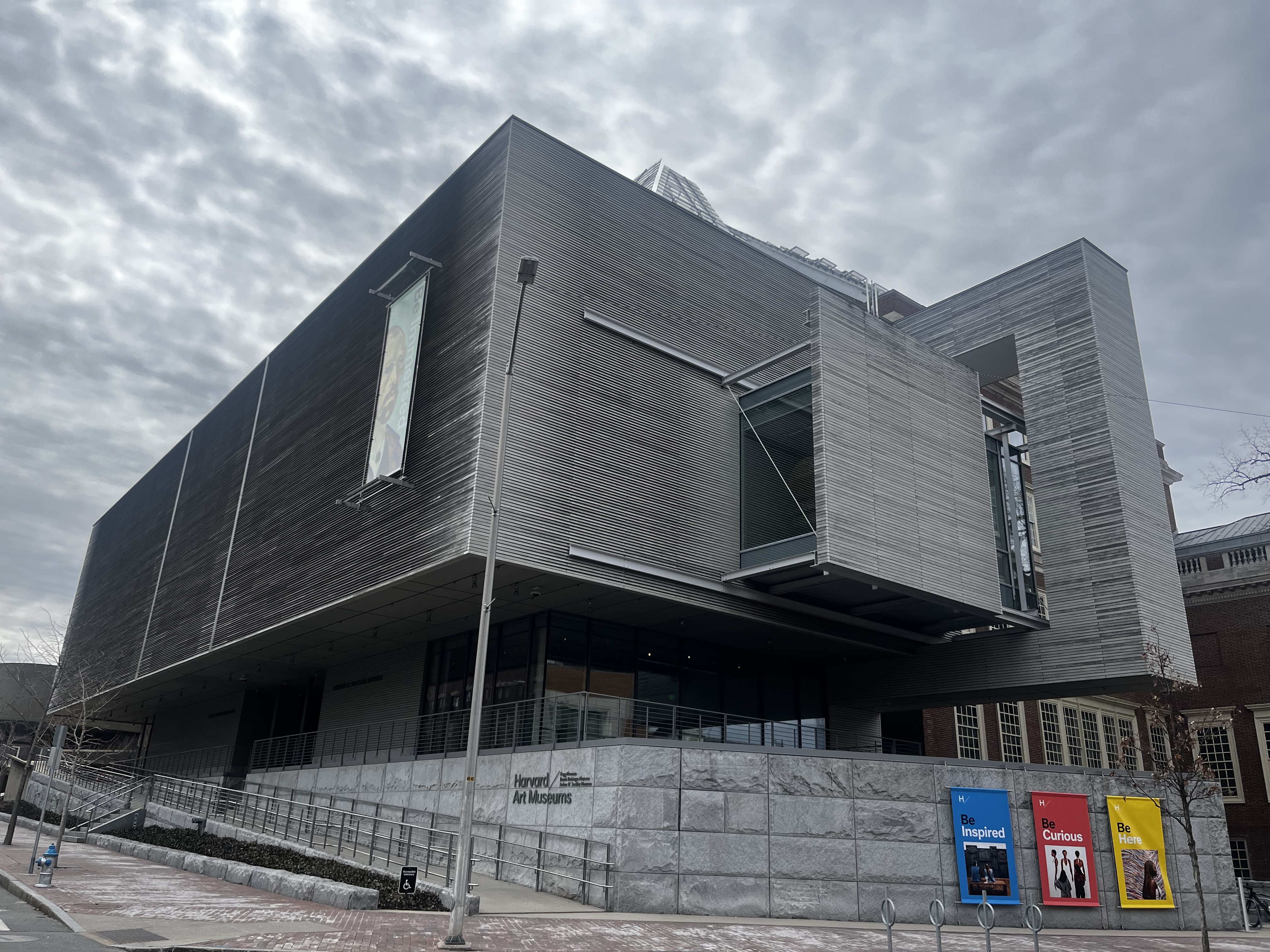
One of my passions in life is art, in the form of sketches, photographs, glass jewelry, metal sculptures, woodwork, ceramics, fabrics, and all variety of painted works. I took a bit of a side quest on my first day in Boston and visited the (free admission) Boston Art Museum for just an hour or so.
In my young adulthood I worked in the upscale, indoor gift shop at Brookfield Zoo, spending 5 or so summers there. During the school year I could be found at the Milwaukee Public Museum, in the Main, Children’s or Streets or Old Milwaukee-themed gift shops. So, my first stop at the Boston Art Museum was gift shop, where there were a lot of beautiful books, cards, and notebooks for sale.
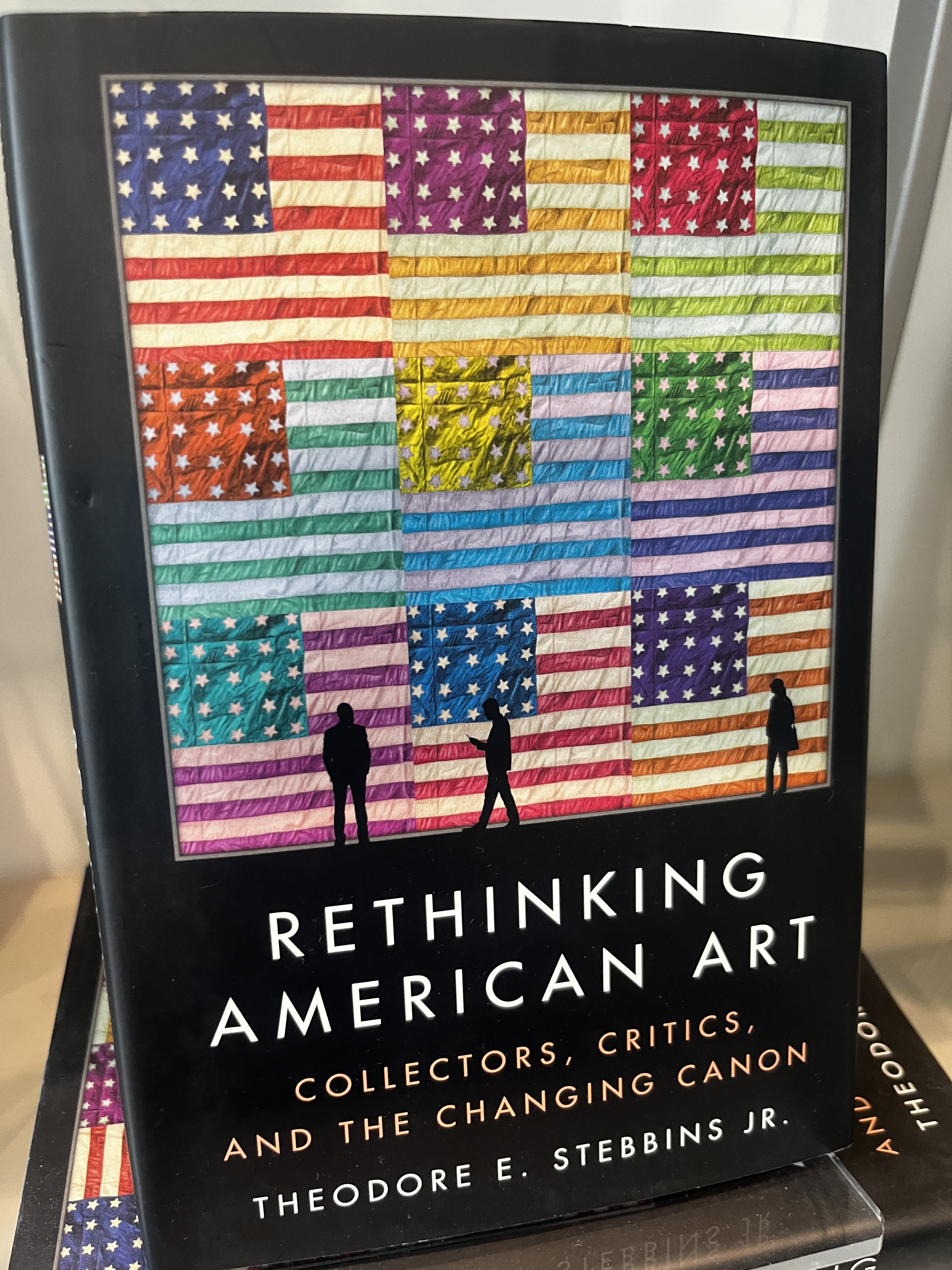
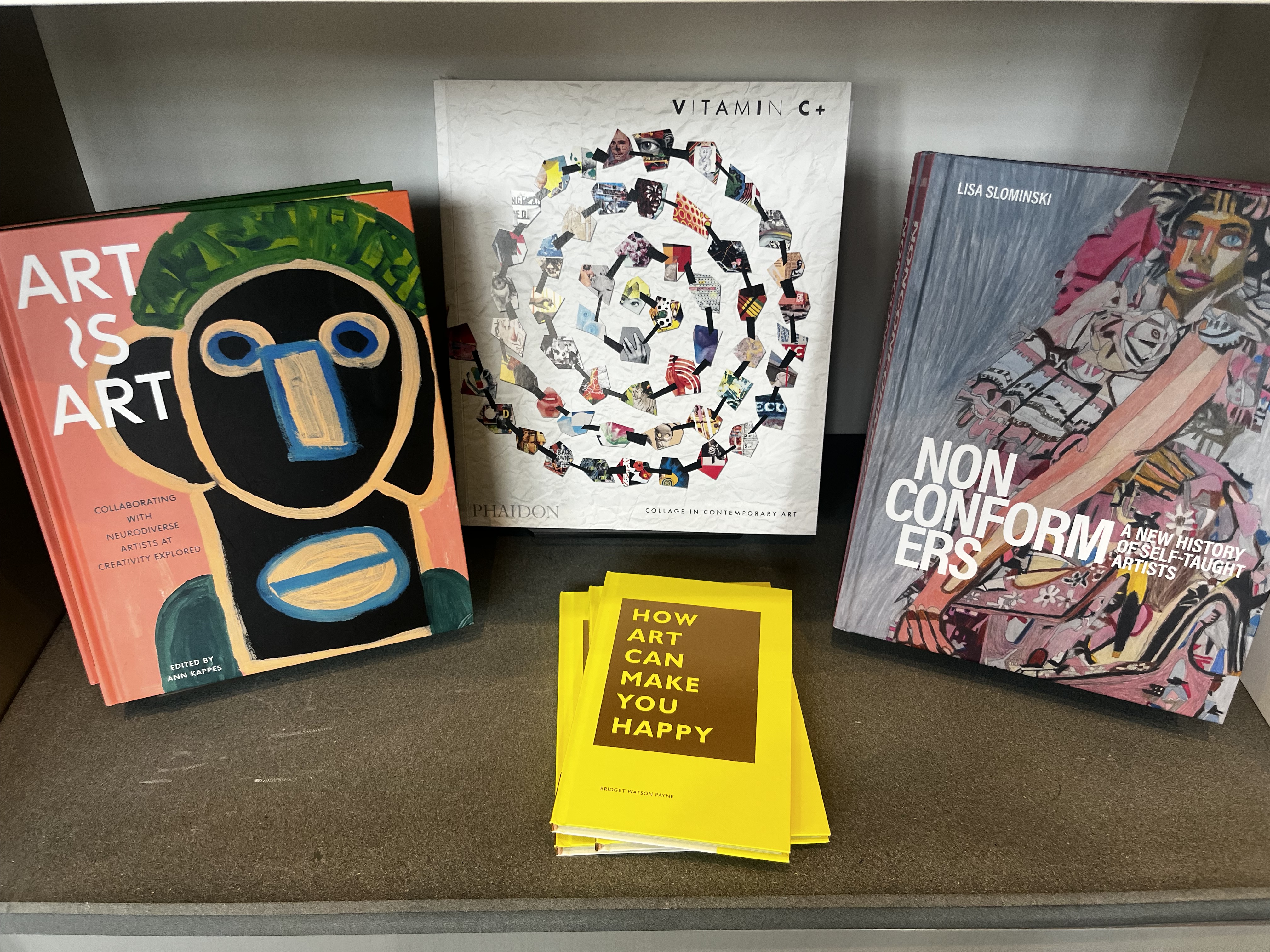
Children’s book authors, native to MA
Everywhere I looked on this trip there were books, including a tribute to authors back at the Boston airport. Who knew that the authors of some of my favorite books are from Massachusetts?
- Curious George might be responsible for my insatiable desire to learn and deep-rooted curiosity.
- The art in The Very Hungry Caterpillar helped me fall in love with color, art, and whimsy.
- Make Way for Ducklings was a book that I took home from preschool and never returned; was it forgotten, truly lost, or hidden under my bed?
- The antics of Clifford: The Big Red Dog taught me about companionship and shared adventures.
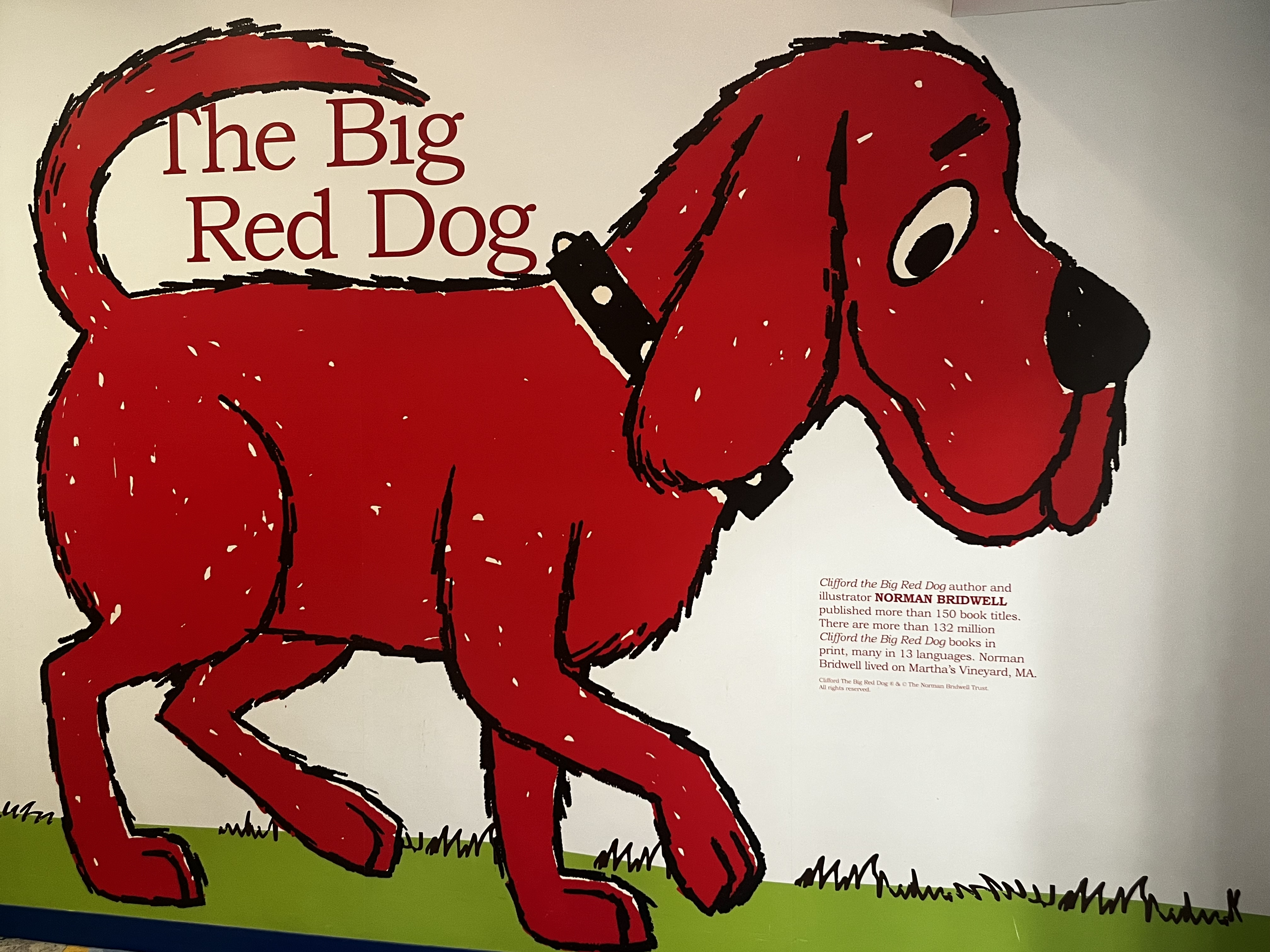
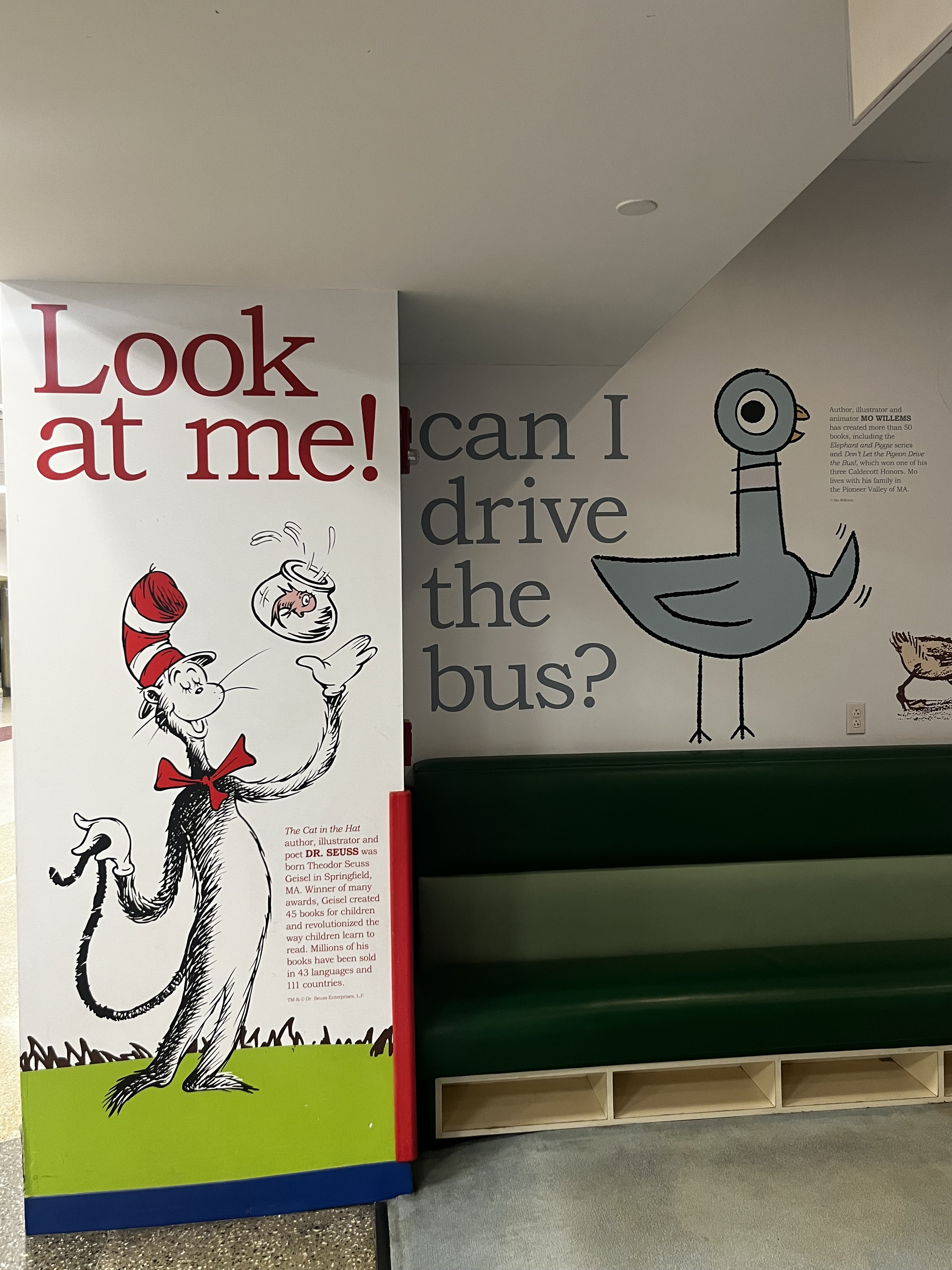
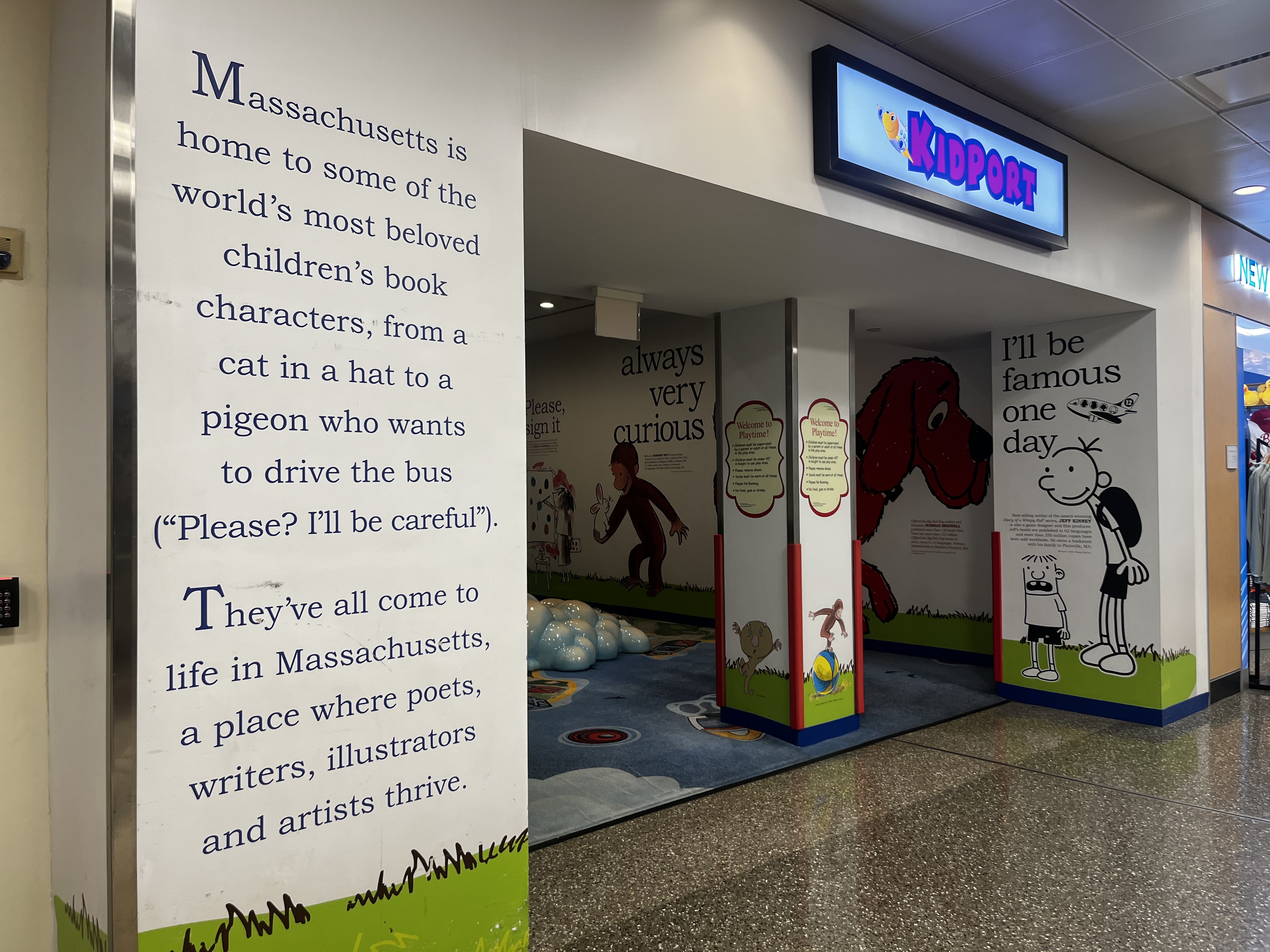
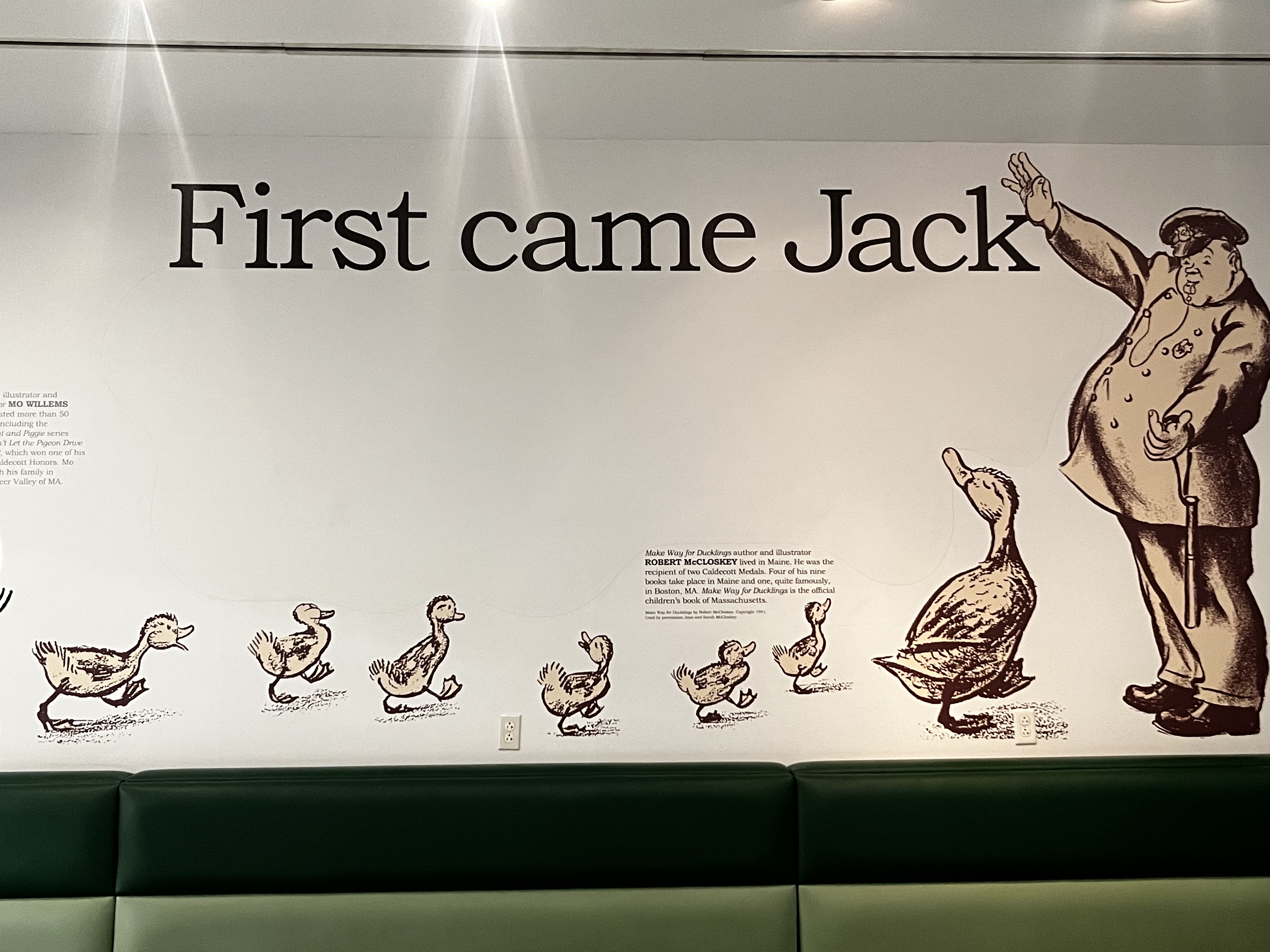
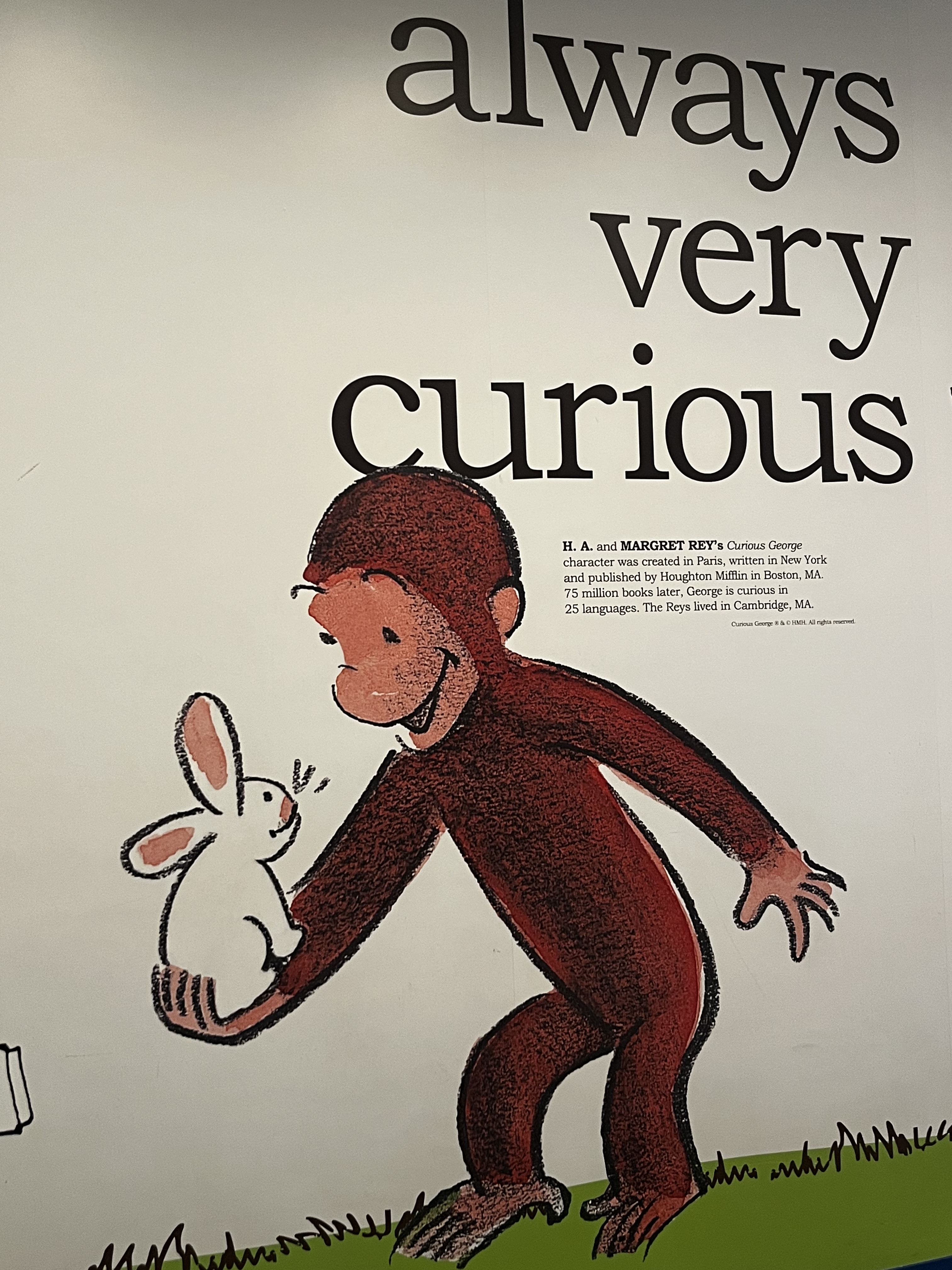
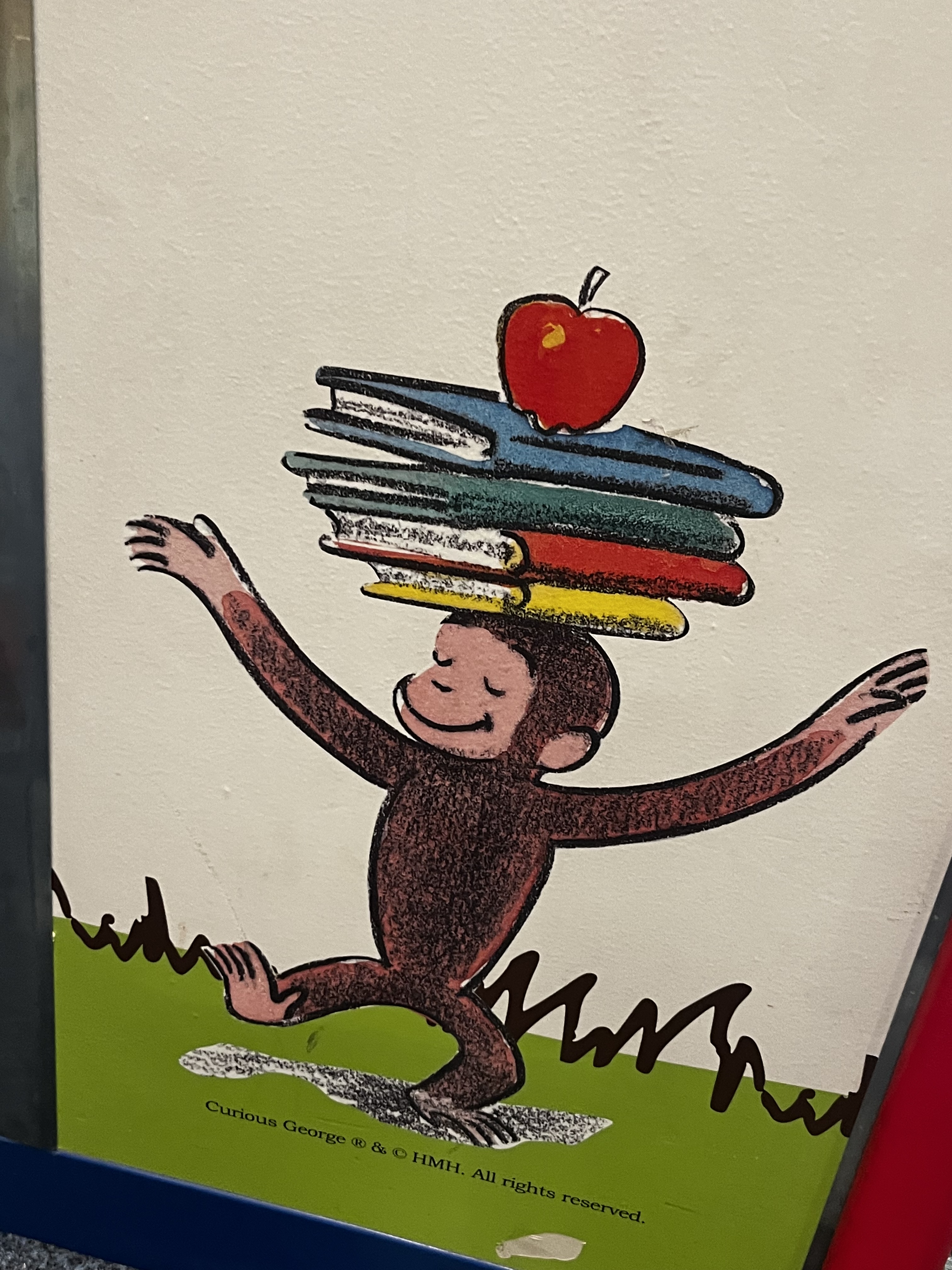
I’m a little old for Diary of a Wimpy Kid but now I’m inspired to return to these stories. All these books, and more, are featured in a fun, colorful play area of the airport. I can’t think of a better way to provide a distraction and inspire wonder.
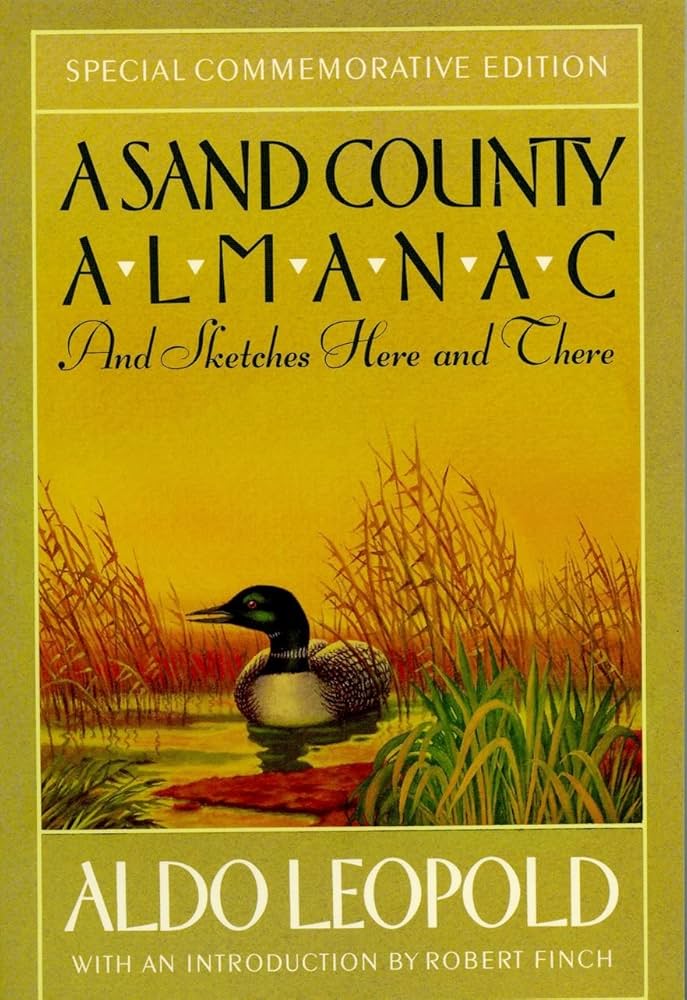
Sand County Almanac – and Sketches Here and There by Aldo Leopold
As I said at the beginning of this blog, I finished my March non-fiction book title early, which was (again) startling and unexpected. On the plane ride back home, I started reading the April book, a 1949 classic for environmentalists, students of ecology, and the earth-curious individual. I look forward to the literary and travel adventures that lie ahead.
Join me on my next adventure,
~ Kat
Related Links:
The Soul of an Octopus: A Surprising Exploration into the Wonder of Consciousness
Airport stores offer 50 percent return on books (Tampa Bay Times)
Explained: The Ins & Outs Of The Read & Return Books Airport Program
The Art of Being a Flaneur (New York Times)
Harvard Graduate School of Education
Certificate in Workplace Learning
The Harvard Coop Bookstore – COOP
 Accidental Wanderlust
That’s a lot of books. Thanks for reminding me how lucky I was to get into an Irish game. Jim Clark 419-560-0195
LikeLike
Sand County Almanac is one of my favorite books of all time. It had a big impact on me and it is so well-written. I used to teach it in my Advanced Biology classes. Enjoy!
LikeLike